
Summary
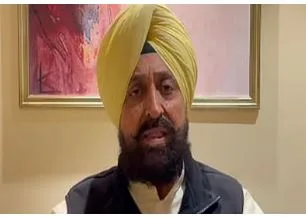
Partap Singh Bajwa, the Leader of the Opposition in Punjab, has launched a sharp attack on both the Aam Aadmi Party (AAP) and the Bharatiya Janata Party (BJP). His comments come after seven AAP members of the Rajya Sabha decided to join the BJP. Bajwa claims this move proves there is a secret deal between the two parties. He argues that this merger is a betrayal of the people of Punjab who voted for change but are now seeing their representatives switch sides for political gain.
Main Impact
The decision of seven members of Parliament to move from AAP to the BJP has significant consequences for Indian politics. First, it strengthens the BJP’s position in the Rajya Sabha, which is the upper house of Parliament. This makes it easier for the ruling party to pass new laws. Second, it raises serious questions about the loyalty of the AAP leadership to its voters in Punjab. Bajwa suggests that this merger was not about helping the public but about protecting the power of those in charge. This shift could change how voters in Punjab view both parties in future elections.
Key Details
What Happened
The political shift occurred when seven Rajya Sabha members, who were originally sent to Parliament by AAP, officially merged with the BJP. Partap Bajwa described this as a "calculated attempt" to control the strength of Parliament. He believes the BJP helped make this happen to silence the voices of the opposition. According to Bajwa, the AAP leadership allowed its own team to fall apart because they were more interested in political deals than in serving the people who elected them.
Important Numbers and Facts
The merger involves seven individual members of the Rajya Sabha. These members were elected to represent Punjab on the national stage. Bajwa pointed out that many of these individuals had very little connection to the state of Punjab before they were nominated. He argued that they were used as "placeholders" in a larger game of power. By switching to the BJP, these seven members have effectively changed the political map of the upper house without a new election taking place.
Background and Context
To understand why this matters, one must look at the recent history of Punjab politics. A few years ago, AAP won a massive victory in the Punjab state elections, promising to be different from traditional parties. As part of their victory, they had the right to send several people to the Rajya Sabha. However, from the beginning, leaders like Bajwa criticized AAP for choosing people who did not live in Punjab or understand local problems. This latest move confirms those fears for many critics. It suggests that the representatives were never truly committed to the state’s welfare and were only interested in holding a seat in the capital.
Public or Industry Reaction
The reaction from the opposition has been one of anger and disappointment. Bajwa stated that the BJP is known for using central government agencies to pressure and scare other politicians into joining them. He claims that the BJP "weaponizes" these institutions to grow its own power. At the same time, he accused AAP of doing the exact same thing within the state of Punjab. He argued that the AAP government uses state police and other agencies to stop people from speaking out against them. Because of these similar tactics, Bajwa called the two parties "two sides of the same coin."
What This Means Going Forward
Looking ahead, this merger could lead to a loss of trust among voters. People who voted for AAP to keep the BJP out of power may feel cheated now that their representatives have joined the very party they were supposed to oppose. There is also a risk that more defections could happen if politicians feel that switching sides is the only way to stay in power. For the state of Punjab, this means that its voice in the national Parliament may no longer reflect the specific needs and desires of its citizens. The focus may shift away from local issues like farming and jobs toward national political strategies.
Final Take
The merger of these seven MPs is a clear sign of how quickly political loyalties can change when power is at stake. While the BJP and AAP often appear to be rivals in public, this event suggests they may be willing to work together behind the scenes. For the average citizen, it serves as a reminder to look closely at the people being nominated for high office. True leadership should be about serving the community, not about making deals to stay in a position of authority.
Frequently Asked Questions
Why did the AAP MPs join the BJP?
While the MPs may claim they joined for better governance, critics like Partap Bajwa argue it was a move based on political opportunism and a secret deal between the two party leaders to gain more power in Parliament.
How does this affect the people of Punjab?
The people of Punjab voted for these representatives under the AAP banner. Now that they have joined the BJP, many voters feel their mandate has been ignored and that their specific state issues might be overlooked in favor of national party goals.
What is the Rajya Sabha?
The Rajya Sabha is the upper house of India's Parliament. Members are not elected directly by the public but are chosen by state legislators. They play a key role in making and passing national laws.