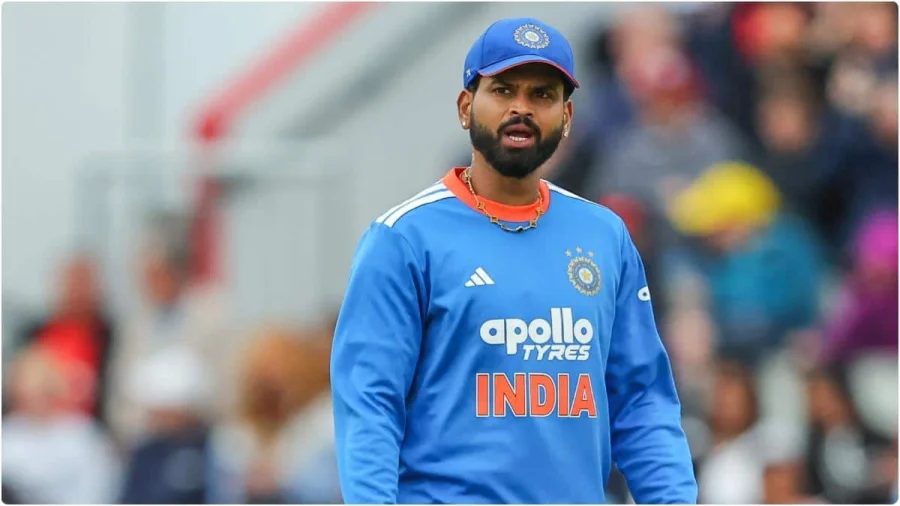

Shreyas Iyer arrived in the United Kingdom with one of the most impressive captaincy records in modern Indian cricket. He had led the Delhi Capitals to an IPL final, driven the Kolkata Knight Riders to a title, and guided the Punjab Kings to another final. Many believed he was the natural choice to lead India’s T20I side.
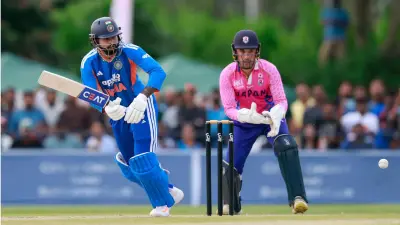
But a punishing seven-match tour of Ireland and England has completely rewritten that story. India suffered a shock 2-0 series loss against Ireland in Belfast, followed by a brutal 4-0 defeat against England, with one match washed out. The reigning world champions returned home without a single victory.
Why IPL Captaincy Failed on the International Stage
The disastrous outing exposed a fundamental reality: dominating an auction-built franchise league does not prepare a captain for the pressures of international cricket. According to Hindustan Times, the tour taught Iyer that international captaincy begins where IPL captaincy ends.
In the IPL, captains manage a squad built through auctions, with clear roles and a familiar set of players. International cricket demands handling different personalities, adapting to conditions quickly, and making tactical decisions under far greater scrutiny. Iyer’s struggles in the UK showed that these skills cannot be learned in franchise cricket alone.
The Numbers Tell a Harsh Story
The results speak for themselves. India lost both matches against Ireland, a team ranked much lower in T20I cricket. Against England, the world champions were outplayed in every department, losing four matches convincingly. The one washed-out game only delayed the inevitable.
For a captain who had built a reputation as a calm and composed leader in the IPL, the UK tour was a humbling experience. It showed that even the best franchise leaders need time to adapt to the demands of international captaincy.
Our Take: Iyer Must Evolve Beyond IPL Leadership
In our view, Shreyas Iyer’s UK tour is not the end of his captaincy ambitions — but it is a necessary wake-up call. His IPL record is genuinely impressive, and he has shown he can build winning teams in the franchise format. But international cricket is a different beast.
Iyer needs to learn how to manage bowlers in unfamiliar conditions, how to read games that last longer than a T20, and how to handle the pressure of representing a billion people. These are skills that cannot be bought at an auction table. They come from experience, from losses, and from honest self-reflection.
If Iyer takes this lesson seriously, he can still become a great international captain. But if he assumes IPL success is enough, his international career will remain incomplete. The UK tour was a painful lesson — but it might be the most valuable one he ever receives.