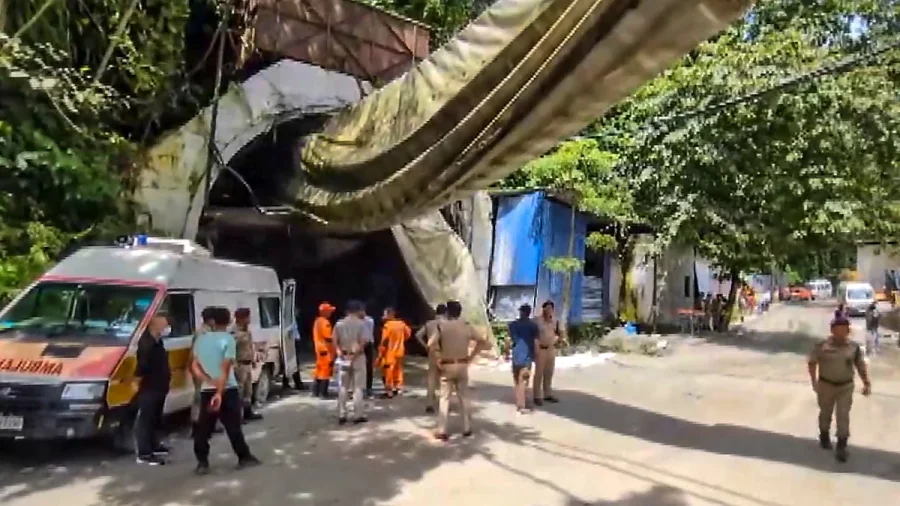

A grim rescue operation in Sikkim has turned into a recovery mission after the bodies of 22 workers were pulled from the debris of an under-construction tunnel. The tunnel was part of the NHPC Teesta Stage VI Hydropower Project in Namchi district, officials confirmed.
What Happened at the Sikkim Tunnel Site
The tragedy unfolded on Monday afternoon when a section of the tunnel collapsed. Officials suspect the collapse was triggered by an explosion caused by methane gas trapped inside the rocks. At the time of the incident, 25 workers were inside the tunnel. Dense fumes and toxic gases engulfed the area after the blast, making rescue efforts extremely difficult.
According to ETV Bharat, officials have stated there is "no possibility" of finding survivors among the remaining trapped workers.
Rescue Operations and Challenges
Rescue teams equipped with specialized equipment have been working around the clock to clear debris and recover the trapped workers. The operation has been slow and dangerous due to the presence of toxic gases and the unstable structure of the collapsed tunnel.
As reported by NDTV, seven bodies were initially recovered after a landslide damaged the tunnel and led to a gas leak. The number of recovered bodies has since risen to 22.
"Rescue operations remain in progress, with specialised teams working..." — Sikkim Live
Workers Had Raised Safety Concerns
Reports indicate that workers at the site had previously flagged safety risks, but their concerns were not addressed. This has raised serious questions about safety protocols at the hydropower project.
According to ETV Bharat, one worker stated that risks were flagged but no one cared. This points to a possible failure in safety oversight that may have contributed to the disaster.
Our Take: A Preventable Tragedy
This is a devastating loss of life. Twenty-two workers have died doing their jobs, and three more are still missing. In our view, this tragedy raises serious questions about safety standards at construction sites, especially in high-risk projects like hydropower tunnels. If workers had indeed raised concerns about gas leaks or structural issues, those warnings should have been taken seriously. The fact that they were not is deeply troubling. Authorities must conduct a thorough investigation and ensure that those responsible are held accountable. The families of the victims deserve answers, and the industry must learn from this disaster to prevent it from happening again.