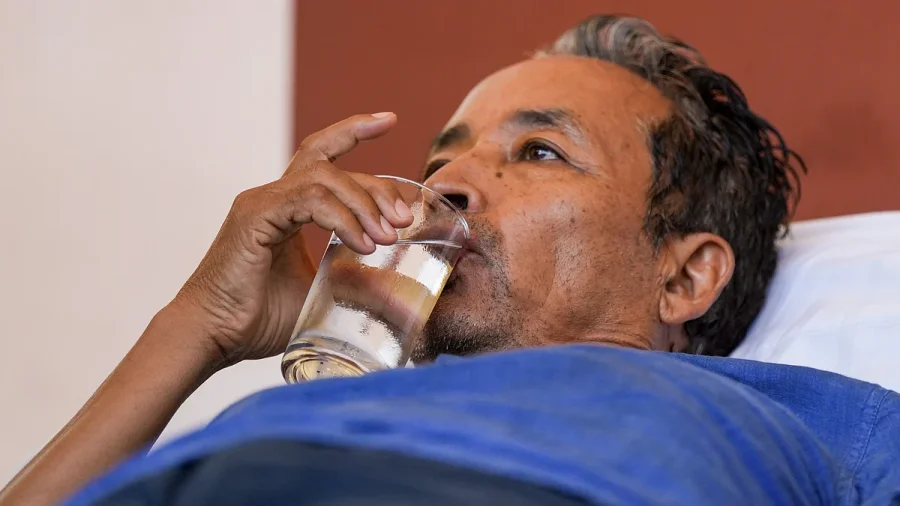

Activist Sonam Wangchuk remains medically stable but continues his hunger strike, refusing intravenous fluids and glucose despite repeated medical advice, Safdarjung Hospital authorities said on Tuesday.
In a morning health bulletin, the hospital said Wangchuk is receiving comprehensive medical care under the supervision of a multidisciplinary team from VMMC and Safdarjung Hospital, along with experts from AIIMS, New Delhi. His condition is being closely monitored through regular clinical assessments and laboratory tests.
Doctors Flag Health Concerns Despite Stable Vitals
While his vital parameters remain stable, doctors flagged concerns over his continued low blood sugar levels, reduced potassium levels and persistent pancytopenia — a condition marked by anaemia and low white blood cell counts. His serum potassium level was recorded at 3.2.
According to The Hindu, Wangchuk has refused intravenous fluids, oral rehydration, and any other medical treatment advised by doctors. The hospital has urged him and his family to allow treatment.
Hospital Urges Family to Allow Medical Intervention
Doctors have expressed concern that Wangchuk is weak due to prolonged fasting and dehydration. While his condition is currently stable, he requires continuous monitoring and medical care.
According to NDTV, Wangchuk was conscious with stable vitals but showed signs of dehydration. The hospital has warned that immediate medical intervention is needed as he continues to refuse IV fluids and medication.
"He refused intravenous fluids, oral rehydration, and any other medical treatment advised." — NDTV
Medical Team Continues Close Monitoring
The multidisciplinary medical team, which includes experts from AIIMS, is conducting regular clinical assessments and laboratory tests to track Wangchuk's condition. The hospital has emphasized that while his vital parameters remain stable, the underlying health issues require attention.
According to Moneycontrol, Wangchuk was taken to Safdarjung Hospital after a 20-day hunger strike. He has refused intravenous fluids, oral rehydration, and other medical treatments.
Our Take: A Delicate Balance Between Protest and Health
Sonam Wangchuk's decision to continue his fast despite medical advice highlights the difficult choice activists sometimes face between their cause and their health. While his right to protest must be respected, the medical concerns raised by doctors — low blood sugar, reduced potassium, and pancytopenia — are serious and cannot be ignored.
In our view, the hospital's approach of providing comprehensive care while respecting his wishes is appropriate. However, as his condition could worsen, it is important for his family and medical team to continue dialogue. The situation underscores the need for a resolution that allows Wangchuk to pursue his cause without risking permanent harm to his health.