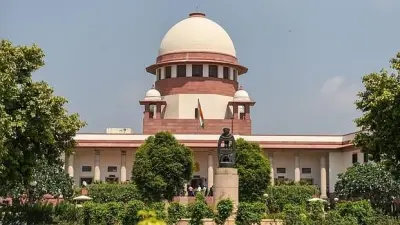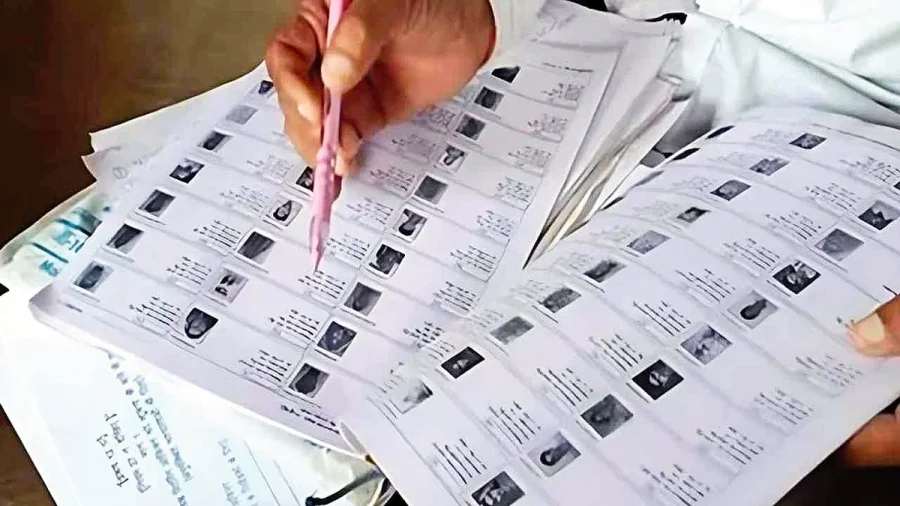

The Supreme Court has pulled up the Election Commission of India over how it is running the Special Intensive Revision (SIR) of electoral rolls in Delhi. The court's main worry: voter notices are being sent out "almost mechanically," without voters being told clearly why they are receiving them.
A bench headed by Chief Justice Surya Kant, along with Justices Joymalya Bagchi and V. Mohana, heard the matter and said the notices need a proper review. The court noted that over 33 lakh notices have already gone out to voters in Delhi as part of the SIR exercise.
Why the Supreme Court Is Questioning Delhi SIR Notices
The core issue is transparency. The court observed that voters are getting notices without sufficient clarification on the reasons behind them. Petitioners in the case have demanded full disclosure of the criteria, algorithms, and reasons used to decide who gets a notice.
The Election Commission, for its part, has deployed a large ground team to handle the revision. According to the EC, 14,000 to 15,000 Booth Level Officers (BLOs) and 1,200 Electoral Registration Officers (EROs) are managing the process. The commission has also assured the court that there will be zero wrongful deletions from the voter list.
What the Court Has Suggested
The Supreme Court proposed additional safeguards to make the process smoother and fairer. One key suggestion: BLOs should assist voters at ward offices, so people who receive notices can get help understanding and responding to them.
- Over 33 lakh notices issued to Delhi voters under SIR
- 14,000-15,000 BLOs and 1,200 EROs deployed by the EC
- Petitioners want the criteria and algorithms behind notices made public
- EC has promised zero wrongful deletions
- SC wants BLO assistance at ward offices for voters
Our Take: Voter Trust Depends on a Clear Process
In our view, the Supreme Court's concern is valid and important. When lakhs of voters receive notices they don't understand, it creates fear and confusion. People start worrying about losing their voting rights for no fault of their own.
The EC's assurance of zero wrongful deletions is welcome. But an assurance alone is not enough. The process itself must be clear. Voters deserve to know exactly why their name is under scrutiny and what they need to do to respond.
To put it plainly, the credibility of the entire SIR exercise depends on one thing: whether ordinary voters feel the process is fair. If notices go out mechanically and people can't get answers, trust in the electoral system takes a hit. The court's push for safeguards and on-ground assistance is the right direction. The EC should treat this as a chance to fix the gaps, not just defend its numbers.
For Delhi voters, the message is simple: if you receive a notice, don't panic. Reach out to your ward office and seek help. The process is still under the court's watch.