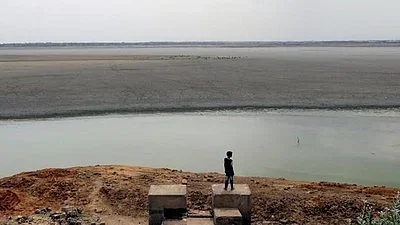

Tamil Nadu is facing a worsening drinking water crisis as a weak southwest monsoon has severely depleted reservoirs, irrigation tanks, and groundwater sources. Official figures from the state's Water Resources Department show that 59 of the state's 90 major dams have run completely dry. Another 16 dams are operating with only 25 to 50 per cent of their storage capacity.
The situation is equally alarming across the state's irrigation network. As many as 3,489 irrigation tanks have dried up completely, while a further 6,158 are close to depletion. This has significantly reduced water availability for both agriculture and domestic use in several districts.
Acute Shortages Triggered by Rainfall Deficit
The prolonged rainfall deficit has triggered acute shortages in several districts, raising concerns over the state's preparedness to meet rising demand. The weak southwest monsoon, which is crucial for replenishing water sources in the region, has failed to provide adequate rainfall this season.
According to The Hindu, four districts in south Tamil Nadu are facing an acute drinking water crisis as dams go dry. The report highlights that the situation has become critical, with residents struggling to access clean drinking water.
Impact on Daily Life and Agriculture
The crisis is affecting both rural and urban areas. In some regions, residents have been forced to dig pits in dry riverbeds to collect drinking water. A report from YouTube shows residents of Chidambara Nagar in Thoothukudi digging pits in a dry riverbed to collect drinking water amid the acute shortage.
The depletion of irrigation tanks is also hitting farmers hard. With thousands of tanks either dry or near depletion, the availability of water for crops has dropped sharply, threatening agricultural output in the state.
Our Take: A Crisis That Demands Urgent Action
To put it plainly, Tamil Nadu is facing a water emergency that has been building for months. The numbers from the Water Resources Department are stark: 59 out of 90 major dams dry, over 3,400 irrigation tanks completely empty, and thousands more nearly dry. This is not a sudden problem — it is the result of a weak monsoon and years of water management challenges.
In our view, the state government needs to act immediately. Rationing of water, emergency supply measures, and long-term solutions like rainwater harvesting and better reservoir management must be prioritised. The crisis is not just about today — it is about the coming months when summer demand will rise even further. Without swift action, the situation could become much worse for millions of people across Tamil Nadu.