
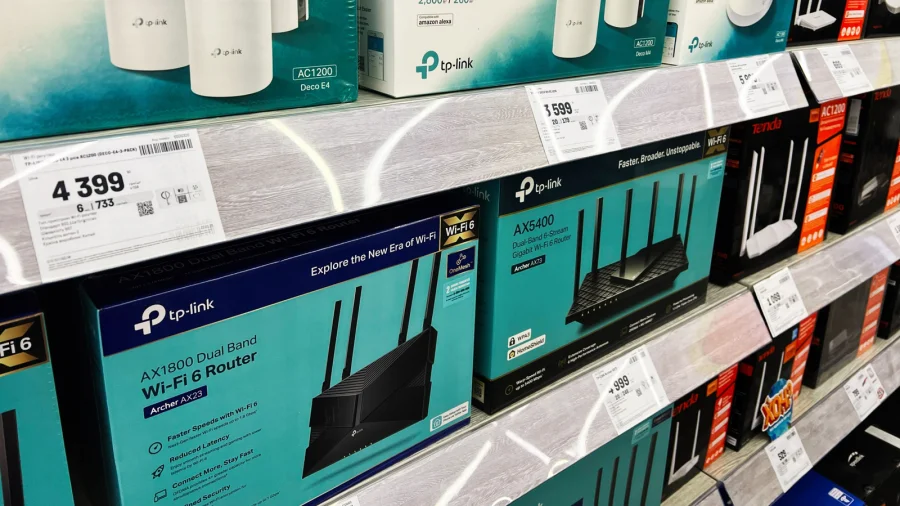

The US government is investigating TP-Link routers for potential national security risks, and the situation has raised questions about whether consumers should avoid these devices. The probe centers on concerns that could lead to a ban affecting millions of American households.
Why the US Government Is Investigating TP-Link Routers
The investigation is less about the product's performance and more about regulatory concerns tied to the Federal Communications Commission (FCC). According to YouTube, the US government is looking into TP-Link routers for potential national security risks, and a ban could impact 65% of American homes. This suggests the probe is focused on the broader implications of foreign-made networking equipment in US homes.
What Cybersecurity Experts Say About the Risk
Cybersecurity experts have weighed in on the situation, as reported by CNET. The experts are discussing the potential risks associated with TP-Link routers, though the exact nature of the threat remains under review. The investigation highlights growing concerns about the security of networking devices that are widely used in American homes.
What This Means for Your Home Network
For now, the investigation is ongoing, and no ban has been implemented. However, the possibility of a ban affecting 65% of American homes underscores the scale of the issue. Consumers should stay informed about the FCC's findings and consider reviewing their home network security in light of these developments.
Our Take: What to Do About TP-Link Routers
In our view, the investigation into TP-Link routers is a reminder that home network security is a serious matter. While the probe is still in its early stages, the potential for a ban affecting so many homes means consumers should pay attention. We recommend keeping an eye on official updates from the FCC and cybersecurity experts. If you are concerned, consider exploring alternative router options or enhancing your network security measures. The key takeaway is to stay informed and proactive, rather than panicking over unconfirmed risks.