

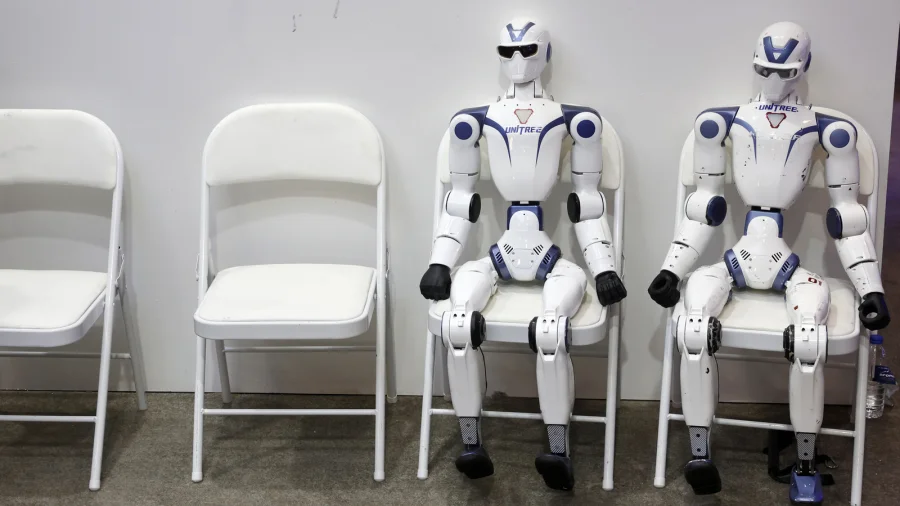

The United States has announced a ban on foreign-made humanoid robots and power inverters, citing serious national security concerns. The Federal Communications Commission (FCC) made the decision, stating that these devices pose "unacceptable risks" to the country.
What Products Are Banned and Why
The ban covers a range of advanced technology. According to a LinkedIn post by Evan Beard, the FCC banned the import and sale of new foreign-made advanced robots — including humanoids, quadrupeds, and autonomous mobile robots — along with foreign-made connected power inverters. The agency cited "unacceptable risks" to the U.S. as the reason.
US officials have specifically pointed to the dangers these products could bring. As reported by Politico, advanced robots and power inverters made overseas pose risks that could include blackouts and espionage on Americans. The move is part of a broader effort to counter potential Chinese influence in critical technology sectors.
National Security Strategy Behind the Ban
The ban is not just a random restriction. It is a key part of a national security strategy aimed at kickstarting domestic production of emerging technology. By blocking foreign-made versions of these products, the US government hopes to reduce reliance on overseas manufacturers and build its own supply chains for sensitive equipment.
The ABC News report confirms that the ban mainly targets China over national security concerns. The FCC's decision reflects growing fears that foreign-made robots and power equipment could be used to spy on Americans or disrupt the country's power grid.
"Advanced robots and power inverters made overseas pose risks that could include blackouts and espionage on Americans." — Politico
Our Take: A Necessary Step with Big Implications
In our view, this ban makes sense from a security standpoint. The risk of foreign-made robots being used for espionage or causing blackouts is a real and serious threat. However, the move also signals a major shift in how the US approaches technology supply chains. By banning these products, the government is forcing American companies to either develop their own versions or find trusted allies to produce them. This could lead to higher costs in the short term, but it may be a necessary price to pay for long-term national security. The key question now is whether US manufacturers can step up to fill the gap quickly enough.