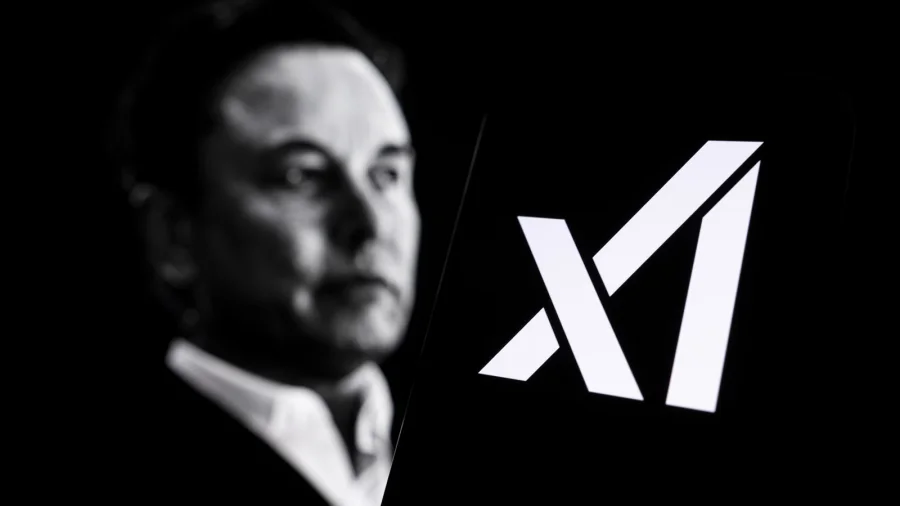

Elon Musk's artificial intelligence company xAI, now owned by SpaceX, has sued Minnesota Attorney General Keith Ellison to block a new state law that would ban so-called "nudify" apps. These apps allow users to generate nonconsensual intimate images of people without their permission.
The lawsuit argues that the Minnesota statute goes too far by restricting free speech and the tools people use for visual expression.
What the Minnesota Law Does
The Minnesota law specifically targets apps and websites that give people the ability to create non-consensual sexualized imagery. This includes what is commonly called "deepfake porn" — images that use artificial intelligence to put a real person's face onto explicit content without their consent.
According to CNBC, the law was designed to stop people from becoming victims of bad actors and platforms that enable the creation of AI-generated intimate images.
xAI's Legal Challenge
Attorneys for xAI claim the Minnesota statute "imposes an overbroad, content-based ban on free speech and the tools of visual expression." The company argues that the law is too broad and could restrict legitimate uses of AI technology for creating images.
The lawsuit was filed in federal court, seeking to prevent the law from being enforced. As reported by CNBC, the case centers on whether the state can ban a category of apps without violating First Amendment protections.
Minnesota Lawmaker Responds
Minnesota State Representative Jess Hanson, who sponsored the law, has publicly criticized Musk's challenge. In a statement reported by the Minnesota House of Representatives website, Hanson blasted Elon Musk's challenge of Minnesota's AI nudification ban.
The law is part of a growing trend among states to regulate AI-generated nonconsensual intimate imagery, often referred to as NCII (non-consenting intimate images) or even CSAM (child sexual abuse material) when it involves minors.
Our Take: A Clash Between Safety and Speech
This case presents a difficult balance. On one hand, "nudify" apps are clearly being used to harm people — creating fake explicit images of real individuals without their consent is a serious violation of privacy and dignity. Minnesota's intent to stop this abuse is understandable and necessary.
On the other hand, xAI's argument that the law is too broad has merit. If a law bans an entire category of technology rather than targeting the harmful use of that technology, it risks shutting down legitimate applications. The challenge for courts will be to find a way to protect victims without crushing innovation or free expression.
To put it plainly: the law needs to stop the abuse, not the tool. We believe the right approach is to target the behavior — creating and sharing nonconsensual intimate images — rather than banning the apps themselves. That way, victims are protected, and technology companies can continue developing AI tools responsibly.