
Summary
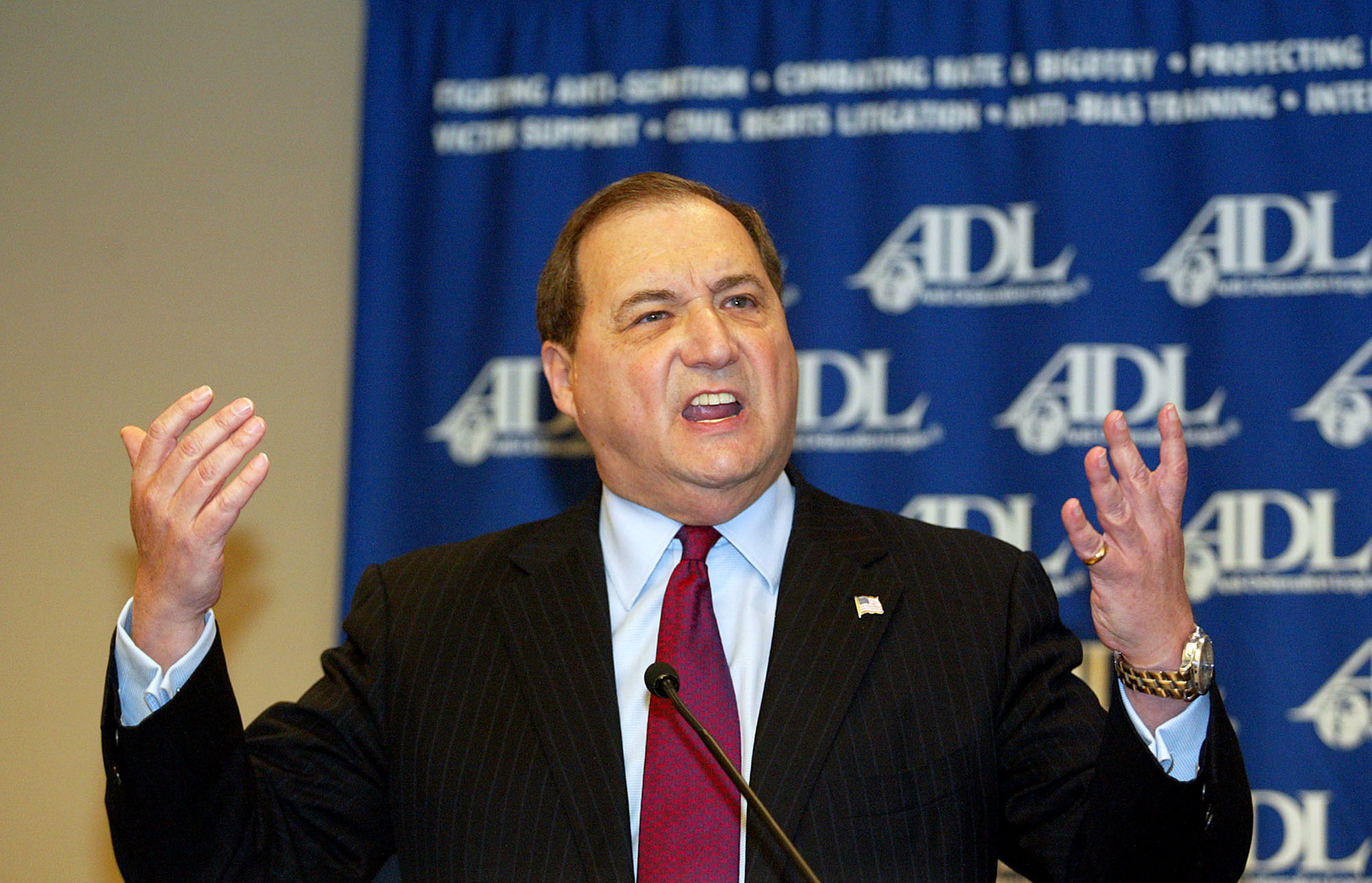
Abraham H. Foxman, the man who led the Anti-Defamation League (ADL) for nearly thirty years, has passed away at the age of 86. He was a powerful voice for Jewish people in America and across the world. During his long career, he worked with world leaders and famous people to fight against hate and prejudice. His death marks the end of an era for one of the most influential civil rights organizations in the United States.
Main Impact
Foxman was more than just a leader; he was a moral guide for many. He used his position to challenge antisemitism wherever he saw it. Because of his work, the ADL grew from a smaller group into a major international organization. He helped people understand that fighting hate against one group helps protect everyone. His life story, starting as a child survivor of the Holocaust, gave him a unique perspective that he used to teach others about the dangers of intolerance. He was known for his ability to talk to people from all walks of life, from powerful presidents to everyday citizens.
Key Details
What Happened
The ADL announced Foxman's death on Sunday. While the organization did not give a specific cause or location for his passing, they expressed deep sadness over the loss of their former leader. Foxman retired from his role in 2015 but remained a respected figure in human rights circles. He spent his entire professional life working for the same cause, starting as a lawyer and moving up to the highest position in the organization.
Important Numbers and Facts
Foxman served as the national director of the ADL for 28 years, starting in 1987. In total, he spent 50 years working for the group. He was born in 1940 in a part of Poland that is now Belarus. After the war, he moved to New York City with his parents. He eventually earned a law degree before joining the ADL as a staff lawyer. During his time as director, he oversaw a massive expansion of the group's research and educational programs.
Background and Context
To understand Foxman’s dedication, it is important to look at his early life. He was born during World War II, a time of great danger for Jewish families. To save him from the Nazis, his nanny had him baptized as a Catholic and hid his true identity. This experience of living in hiding and surviving a global tragedy shaped his entire life. He knew firsthand what happens when hate is allowed to grow without anyone stopping it.
When he took over the ADL, the group was already decades old, having been founded in 1913. However, Foxman changed how the group worked. He didn't just focus on one type of hate. He expanded the group's work to include research on extremist groups, support for immigrant rights, and programs to stop bullying in schools. He believed that the ADL should fight for the rights of all people to ensure a safer world for everyone.
Public or Industry Reaction
Current ADL leader Jonathan Greenblatt praised Foxman, saying he spoke with "moral authority." He noted that presidents, popes, and prime ministers all listened to what Foxman had to say. Greenblatt highlighted that Foxman was always ready to stand up whenever Jewish people were at risk anywhere in the world.
However, Foxman was not without his critics. Some people felt he spent too much of the ADL's money and time on issues that were not specifically about Jewish people. Others thought he was too quick to accept apologies from famous people who said offensive things. Foxman defended his choices by saying that it is essential to let people change. He often said that if you do not allow someone to apologize and grow, you risk becoming close-minded yourself.
What This Means Going Forward
Foxman’s passing comes at a time when hate speech is a growing concern around the world. Before he retired, he warned that the internet allows people with hateful views to spread their messages faster than ever before. He was worried that technology was making it easier for bigots to find each other and cause harm.
The ADL continues to use the tools and research methods he helped build to track extremist groups today. His work set the stage for how modern organizations fight online hate and bias in schools and workplaces. The programs he started, such as diversity training for police officers and Holocaust education for students, remain a core part of the organization's mission.
Final Take
Abe Foxman turned his personal story of survival into a lifelong mission to protect others. He believed in the power of talking to people and the importance of standing up against every form of bias. His legacy is a world that is more aware of the dangers of hate and an organization that remains dedicated to stopping it. He showed that one person’s voice, when used with courage, can truly make a difference on a global scale.
Frequently Asked Questions
Who was Abe Foxman?
Abe Foxman was the longtime national director of the Anti-Defamation League (ADL). He was a Holocaust survivor who spent 50 years fighting against antisemitism and hate.
What did Foxman do at the ADL?
He led the organization for 28 years, expanding its mission to include civil rights, school programs against bullying, and research into extremist groups.
Why was he a controversial figure?
Some critics felt he focused too much on non-Jewish issues, while others thought he was too willing to forgive public figures who made hateful remarks if they apologized.