
Summary
Accenture is increasing its hiring of college graduates this year, even as other large companies pull back due to concerns about artificial intelligence. The consulting firm believes that new workers who grew up using AI tools like ChatGPT are better prepared to help the company grow. While some experts fear AI will take away entry-level jobs, Accenture leaders argue that young talent is necessary to navigate the current changes in the business world. This move highlights a growing divide in how major employers view the future of work and the role of the next generation.
Main Impact
The decision by Accenture to hire more entry-level workers shows a positive outlook on the future of the labor market. Instead of seeing AI as a reason to reduce staff, the company views it as a tool that requires a new kind of worker. This approach could encourage other businesses to reconsider their hiring freezes. By bringing in "AI-native" employees, Accenture aims to stay ahead of competitors who might be waiting too long to adapt. This strategy suggests that the demand for human workers remains high, provided they can work alongside new technology.
Key Details
What Happened
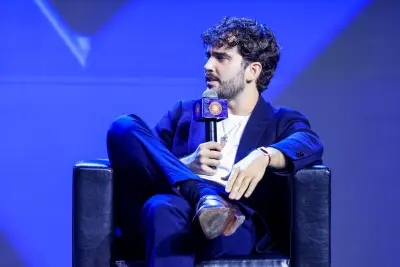
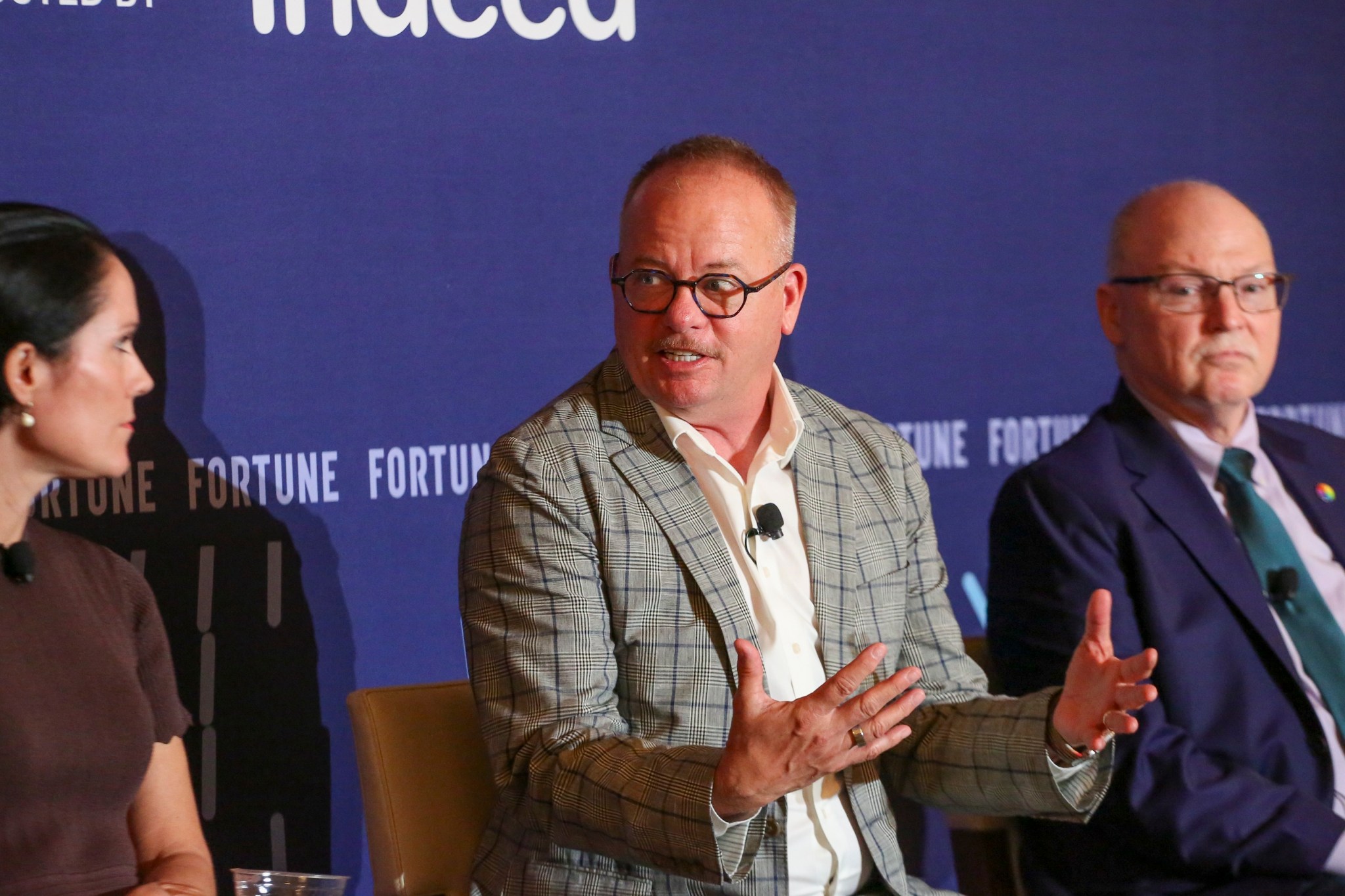
During a recent industry event, Beck Bailey, a top executive at Accenture, confirmed that the company is ramping up its recruitment of young professionals. Bailey explained that this year's college graduates are unique because they used AI throughout their studies. This familiarity makes them valuable assets for a company trying to figure out how to use AI effectively. While companies like Meta and PwC have reduced their intake of new graduates, Accenture is moving in the opposite direction by expanding its team.
Important Numbers and Facts
Accenture currently employs approximately 786,000 people worldwide. The company has committed to hiring more entry-level staff this year than it did in the previous year. This news follows similar statements from the company's CEO, Julie Sweet, who has also voiced support for early-career workers. Other major firms, including Ford and Nvidia, have also indicated that they plan to keep hiring young talent to ensure they have a steady stream of future leaders.
Background and Context
For the past few years, there has been a lot of talk about how AI might replace human jobs. Many people worry that entry-level roles, which often involve basic tasks, will be the first to disappear. This has created a sense of uncertainty for students finishing their degrees. Some companies have reacted by slowing down their hiring to see how much work AI can handle on its own. However, the situation is not the same everywhere. Different industries are testing different methods to see what works best.
Accenture operates in the consulting industry, where solving complex problems for clients is the main goal. In this field, having workers who understand the latest technology is a major advantage. The company believes that instead of replacing people, AI will change what people do every day. This is why they are looking for workers who are already comfortable with digital tools and can learn new systems quickly.
Public or Industry Reaction
Experts in the field of employment have mixed views on the situation. Some agree with Accenture, noting that the "human plus AI" model is the most likely path forward. Maggie Hulce from the job site Indeed mentioned that while some jobs will change, they will not be totally done by machines. She believes AI will help workers do their jobs faster and better rather than taking them away entirely.
On the other hand, some academics warn that we are in a "messy middle" period. Jeff DeGraff, a professor at the University of Michigan, pointed out that companies are currently using the staff they have to figure things out. He noted that while short-term adjustments are happening now, the long-term effects of AI are still unknown. The general feeling among industry leaders is that businesses must experiment and learn as they go, as there is no single rulebook for this new era.
What This Means Going Forward
The move by Accenture suggests that the job market for college graduates may be stronger than some headlines suggest. For students and young professionals, the message is clear: learning how to use AI is a vital skill. Companies are looking for people who can bridge the gap between traditional work and new technology. In the coming years, we will likely see more businesses focusing on "skilling" their workers to ensure they can use AI to its full potential.
However, there are still risks. If AI becomes too efficient, some companies may eventually decide they need fewer people. For now, the focus is on growth and adaptation. The next few years will be a time of trial and error for both employers and employees. Success will depend on how well humans and machines can work together to solve problems.
Final Take
Accenture’s choice to hire more young workers is a sign of confidence in the human element of business. While technology is changing the way we work, the need for fresh ideas and tech-savvy talent remains high. By welcoming the next generation of workers, the company is betting that human creativity, supported by AI, is the best way to move forward. This approach offers a more hopeful view of a future where technology and people grow together.
Frequently Asked Questions
Why is Accenture hiring more college graduates this year?
Accenture believes that recent graduates are "AI-native" because they used tools like ChatGPT during college. The company wants these workers to help them use new technology more effectively.
Are other companies cutting back on hiring because of AI?
Yes, some companies like Meta and PwC have reduced their hiring of new graduates. However, others like Ford and Nvidia continue to focus on bringing in early-career talent.
Will AI replace all entry-level jobs?
Most experts believe AI will change jobs rather than replace them entirely. The goal for many companies is a "human plus AI" approach where technology helps workers perform better.