

Agentic AI systems are taking on more and more work, from autonomous driving to complex business tasks. But as these systems become more capable, a fundamental question arises: How do humans verify what they do?
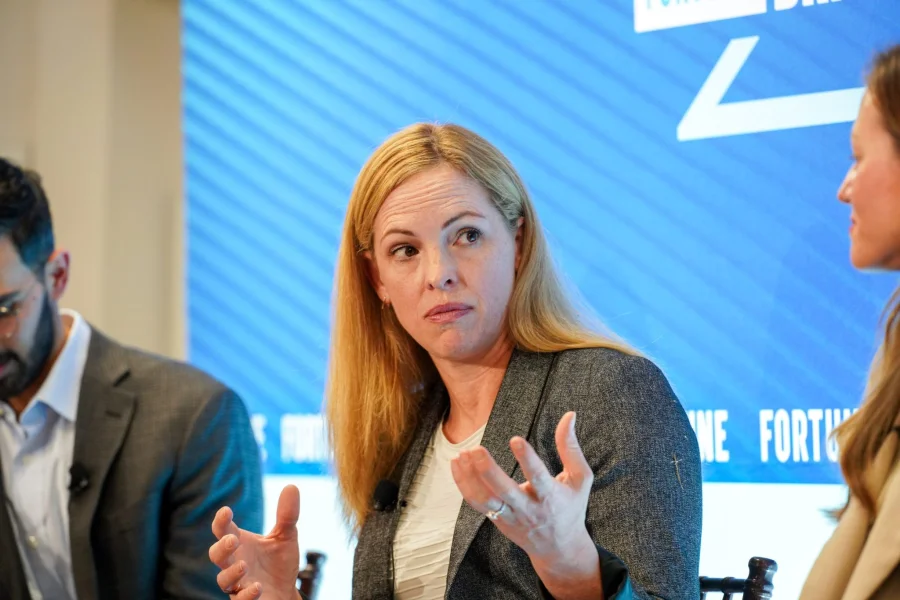
This challenge was front and center at the Fortune Brainstorm Tech conference in Aspen, Colorado, where executives from several leading companies gathered to share their insights and experience. The core issue, they agreed, is accountability — being able to follow and, if necessary, retrace all the steps an AI or agentic AI system took in performing a particular task.
The Accountability Challenge in Agentic AI
According to Fortune, the top priority for business leaders is building systems that can be trusted. Edwin Olson, founder and CEO of autonomous driving technology firm May Mobility, put it plainly: "A key thing that we worry about is how do you build a system that is as right as often as you can possibly make it."
This concern is not just theoretical. From hallucinations — where AI generates false information — to rogue agents that act outside their intended parameters, there are very clear risks that come with using AI. These risks make verification a critical business function.
Why Businesses Cannot Afford to Wait
Despite these risks, most businesses cannot afford to sit out the AI revolution. The competitive pressure to adopt AI is immense, and companies that delay risk falling behind. This creates a thorny reality for business leaders: they must embrace AI while simultaneously managing its risks.
Managing this reality is a fundamental challenge for today's executives. The discussions at Fortune Brainstorm Tech highlighted that verification is not just a technical problem — it is a business problem that requires leadership, process, and culture change.
Our Take: Verification Is the New Competitive Advantage
In our view, the companies that solve the verification problem first will have a significant edge. As agentic AI systems become more autonomous, the ability to prove that they are working correctly will become a market differentiator. Customers, regulators, and partners will demand transparency.
The insight from leaders like Edwin Olson is clear: building systems that are "as right as often as you can possibly make it" is not just about avoiding mistakes. It is about building trust. And in the AI era, trust is the most valuable currency a business can have.
To put it plainly, businesses that treat verification as an afterthought are taking a dangerous gamble. Those that invest in accountability systems now will be better positioned to scale their AI use safely and sustainably.