
Summary
Two major Sikh political groups have ended their efforts to work together. The Akali Dal (Waris Punjab De) and the Akali Dal (Punar Surjeet) were trying to form an alliance, but those talks have now collapsed. This decision comes after several meetings where the two sides could not agree on leadership and core beliefs. The failure to unite creates a bigger gap in Sikh politics and changes how these groups will move forward in the future.
Main Impact
The breakdown of these talks means that a united front for the Sikh community is no longer on the table for now. Instead of joining forces to become a stronger political power, these two factions will continue to operate separately. This split makes it harder for them to challenge other political parties in Punjab. It also shows a deep disagreement over who has the moral right to lead the community, which could lead to more confusion among voters and supporters.
Key Details
What Happened
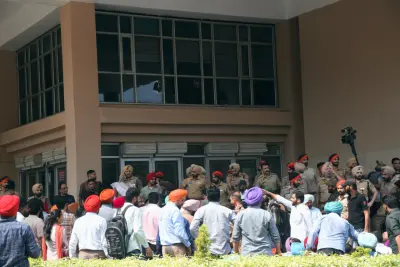
A special group called the coordination committee was in charge of bringing the two factions together. However, members from the Akali Dal (Waris Punjab De) side recently released a joint statement saying they are stopping all talks. They explained that they cannot work with the other group because of "ideological differences." This means they do not share the same basic ideas or goals anymore. They also accused the other side of making public comments that hurt the trust between the two groups.
Important Numbers and Facts
The effort to bring these groups together started on April 18, when an eight-member Panthic Unity Coordination Committee was created. Four specific members from the Waris Punjab De faction—Babu Singh Brar, Parmjeet Singh Johal, Pargat Singh Rayya, and Rachhpal Singh Sosan—were the ones who officially announced the end of the talks. A major point of conflict was a directive issued by the Akal Takht on December 2. This directive suggested that certain leaders should not hold power, but one side felt this rule was being ignored.
Background and Context
To understand why this matters, it is important to know what these groups represent. The term "Panthic" refers to things related to the Sikh path or community. For a long time, different groups have tried to unite under the name of the Akali Dal to represent Sikh interests in government. However, over the years, the party has split into many smaller pieces. The Akal Takht is the highest seat of authority for Sikhs, and its decisions are supposed to be followed by all groups. When the Akal Takht gives a directive about leadership, it is a very serious matter. In this case, one group feels the other is putting the wrong people in charge, which goes against the religious and moral standards they are supposed to follow.
Public or Industry Reaction
People who follow Punjab politics are watching these events closely. Many supporters of the Panthic cause are disappointed because they hoped a single, strong group would emerge. On social media and in local community meetings, there is a lot of talk about why these leaders cannot get along. Some people blame the leaders for being too focused on their own positions rather than the good of the community. Others feel that the differences in their beliefs are too big to ever be fixed. Political experts suggest that this failure to unite will only help rival political parties who do not focus on specific Sikh issues.
What This Means Going Forward
Now that the alliance is dead, both groups will likely start preparing for future elections on their own. This could lead to a split in votes, where neither group gets enough support to win. We can expect to see more public arguments as each side tries to prove they are the "true" representatives of the community. The Akali Dal (Waris Punjab De) has made it clear they will not compromise on their choice of leaders. This means any future attempt at unity will require a massive change in how these organizations are run. For now, the path to a single, united Akali Dal looks very difficult.
Final Take
Political unity is hard to achieve when two sides do not trust each other's leaders. While the goal was to create a strong and single voice for the Sikh community, the reality of personal politics and different beliefs proved to be too much. This situation serves as a reminder that in politics, shared goals are not always enough to overcome disagreements about who should be in charge.
Frequently Asked Questions
Why did the talks between the two Akali Dal factions fail?
The talks failed because the two groups could not agree on who should lead them. One group felt that the other was giving power to people who did not have the moral right to lead according to religious guidelines.
What was the role of the coordination committee?
The committee was formed in April to help the two groups talk and find a way to join together. It was made up of members from both sides who held several meetings to try and reach an agreement.
What is the Akal Takht directive mentioned in the news?
It is a formal instruction from the highest Sikh authority. In this case, a directive from December 2 said that certain leaders who lost their moral standing should not be in charge. One faction claims the other ignored this rule.