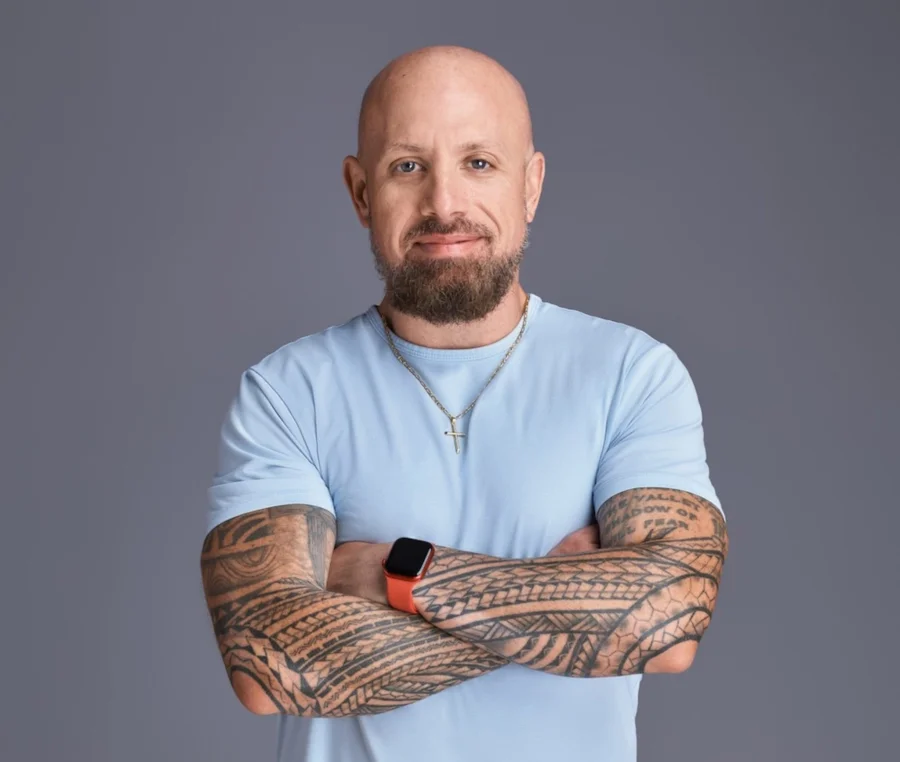

Arcee AI, a startup founded in 2023 by Mark McQuade, spent $20 million training four models from scratch. That decision has now pushed the company's valuation to $1 billion.
The company was originally focused on post-training — the process of taking an existing AI model and honing it for human use. But McQuade saw an opening in the market when Meta backed off its push into open-weight models.
Why Arcee AI Bet on Open-Weight Models
Open-weight models let companies and individuals run advanced AI securely without handing their data over to companies like OpenAI or Anthropic. This is a vital middle ground in AI, and it is technically tricky to get right.
Meta's retreat from the space left a gap. McQuade decided Arcee should fill it. But that meant building a model completely from scratch — a technical and financial mountain to climb.
"We saw an opportunity, and we had $30 million in the bank. I said 'let's do it' and I bet the company on it." — Mark McQuade
McQuade committed 65% to 70% of the company's funds to the effort. That is a massive bet for any startup. The plan was to train four models entirely from scratch, a process that costs millions and carries no guarantee of success.
The $20 Million Gamble That Paid Off
Training AI models from scratch is expensive. It requires massive computing power, specialized talent, and months of work. Most startups avoid it because the costs can sink a company before a product ever reaches the market.
Arcee AI took that risk. The company spent $20 million on training four models. That investment has now translated into a $1 billion valuation.
The numbers tell a simple story:
- $30 million was in the bank when the decision was made
- $20 million was spent training four models from scratch
- 65% to 70% of company funds were committed to the bet
- $1 billion is the company's current valuation
The timing mattered. Meta's pullback from open-weight models created a rare opening. Arcee moved into that space when few others were willing to take on the cost and complexity.
Our Take: A Bet Most Startups Would Not Make
In our view, Arcee AI's story is a reminder that the biggest opportunities in tech often appear when big players step back. Meta's retreat from open-weight models was not just a gap — it was a signal that the space was too hard or too expensive for even the largest companies to justify.
McQuade read that signal differently. He saw a chance to build something that others had abandoned. And he bet more than half his company's cash on it.
To put it plainly, this is not a strategy most founders would survive. Spending 65% to 70% of your funds on a single technical bet is the kind of decision that either makes a company or kills it. There is no middle ground.
What makes this story worth paying attention to is not just the $1 billion valuation. It is the fact that a small startup beat larger competitors to a market they had already decided to leave. Open-weight models matter because they give businesses and individuals control over their own data. That is a real need, not a niche one.
For readers, the lesson is straightforward: when big companies walk away from a problem, that does not always mean the problem is unsolvable. Sometimes it means they just stopped trying. Arcee AI did not stop. That decision is now worth $1 billion.