

Summary
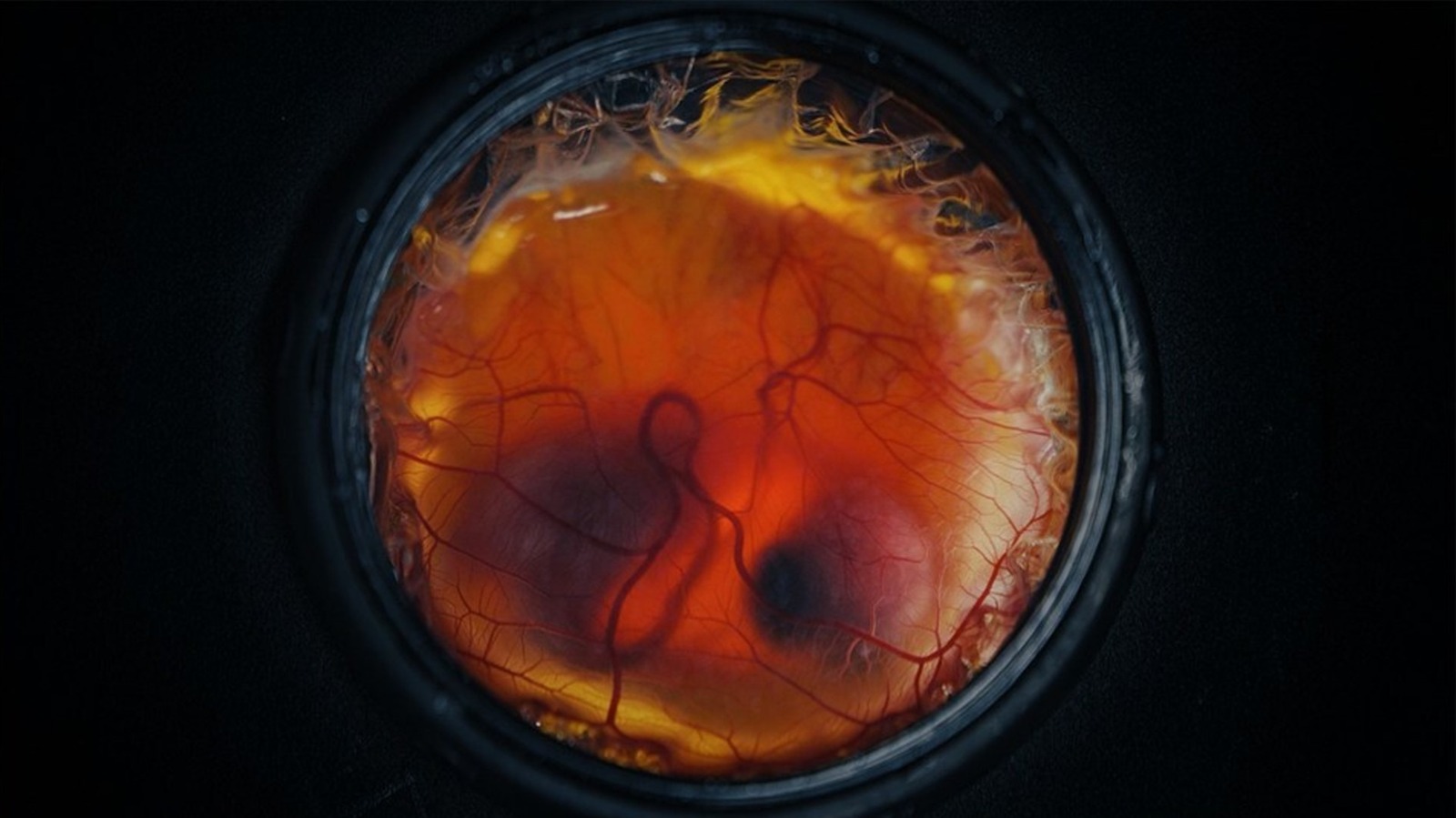
This week, the scientific world reached two major milestones that change how we look at life and our planet. Researchers successfully hatched healthy chicks using artificial eggshells, a move that allows them to watch a bird grow from a tiny cell to a living creature. At the same time, space agencies have started a new mission to study the magnetosphere, which is the invisible shield protecting Earth from the sun. These breakthroughs help us understand the secrets of biology and the safety of our world in space.
Main Impact
The ability to grow a chick outside of a natural eggshell is a massive step for medical and biological research. It means scientists can now see exactly how organs like the heart and brain form in real-time without any barriers. On a larger scale, the new space mission to the magnetosphere will help us better predict space weather. This is vital because solar storms can knock out power grids, break satellite communications, and disrupt GPS signals that we use every day.
Key Details
What Happened
In a laboratory setting, scientists replaced the hard, opaque calcium shell of a chicken egg with a clear, artificial membrane. This membrane acts just like a real shell, allowing oxygen to pass through while keeping the embryo safe. For the first time, these "shell-less" chicks grew to full term and hatched successfully. This proves that life can be supported in a completely man-made environment from the very beginning.
In the world of space science, a new set of satellites has been sent into orbit. Their job is to fly through the outer edges of Earth’s atmosphere. They are measuring how the magnetic field bends and reacts when hit by high-speed particles from the sun. This mission is unique because it uses several small spacecraft working together to create a 3D map of the magnetic shield.
Important Numbers and Facts
The artificial eggshell project has been in development for several years, but the success rate has only recently reached a level where healthy chicks are born. The clear film used is made of a special plastic that mimics the pores of a real egg. In the space mission, the satellites will travel thousands of miles above the Earth, focusing on a region called the "bow shock." This is the area where the sun's energy first hits our planet's defenses. The mission is expected to last at least two years, providing a constant stream of data to researchers on the ground.
Background and Context
To understand why these stories matter, we have to look at the problems they solve. For a long time, studying a growing bird was difficult because the shell blocked the view. If a scientist wanted to see the embryo, they usually had to break the egg, which ended the life of the bird. By creating a clear shell, we can now study growth without causing harm. This could lead to new ways to save endangered birds or even help us understand human birth defects better.
Regarding the space mission, the magnetosphere is something we cannot see, but we cannot live without it. Without this magnetic bubble, the sun’s radiation would strip away our atmosphere and make the Earth a dead rock like Mars. As we become more dependent on technology, we need to know how this shield works. A big solar flare could cause billions of dollars in damage to electronics, so knowing when one is coming is a top priority for governments around the world.
Public or Industry Reaction
The biology community is calling the artificial eggshell a "window into life." Many researchers believe this will speed up the testing of new medicines, as they can see the effects on a growing system immediately. Animal conservation groups are also interested, hoping this technology can help hatch eggs from rare birds that have been damaged in the wild.
Space experts and tech companies have also welcomed the new magnetosphere mission. Companies that run satellite internet and GPS services are particularly happy. They hope the data will give them more time to put their satellites into "safe mode" before a solar storm hits. This would prevent service outages for millions of people.
What This Means Going Forward
Looking ahead, the success with artificial shells might lead to even more advanced "bio-bags" or artificial wombs for other animals. While we are still far from using this for larger mammals, the foundation is now there. It opens up a new field of study where life can be observed and helped at its most fragile stage.
For the space mission, the next few years will be spent analyzing the data. Scientists hope to build a global warning system for space weather. Just like we have weather reports for rain and snow, we might soon have daily reports on the state of the magnetosphere. This will make our technology more reliable and our future in space much safer.
Final Take
These stories show that science is moving toward a future where we can see and measure things that were once hidden. Whether it is the growth of a chick inside an egg or the invisible magnetic lines protecting our planet, we are gaining a clearer view of how the world works. This knowledge is the key to protecting life and improving the technology we rely on every day.
Frequently Asked Questions
How does an artificial eggshell work?
It uses a clear, breathable plastic film that allows oxygen to reach the embryo while keeping it in a sterile environment. This lets scientists watch the chick grow without a hard shell in the way.
Why do we need to study the magnetosphere?
The magnetosphere protects Earth from solar radiation. Studying it helps us predict solar storms that can break satellites, power grids, and communication systems.
Are the chicks hatched from artificial shells healthy?
Yes, the chicks in these recent studies have hatched normally and shown the same health and growth patterns as chicks hatched from natural eggs.