
Summary
The three largest mobile service providers in the United States—AT&T, T-Mobile, and Verizon—have agreed to work together on a major new project. These long-time rivals are pooling their resources to use satellite technology to fix mobile coverage gaps. By sharing satellite capacity, they hope to provide a signal in remote areas where traditional cell towers do not work. This partnership aims to make "dead zones" a thing of the past and ensure that every user can stay connected, regardless of their location.
Main Impact
The most significant result of this deal is the total removal of areas with no signal across the country. For years, mobile users have struggled with dropped calls or a total lack of service when traveling through mountains, deserts, or rural farmland. This new agreement changes that by allowing phones to connect to satellites when ground-based towers are out of reach. This will greatly improve safety for travelers and provide a reliable lifeline for people living in isolated communities who have felt ignored by big tech companies for a long time.
Key Details
What Happened
In a surprising move, the three major carriers decided that competing over coverage maps was less important than solving the problem of dead zones. They have signed a deal to share the costs and the technical power of satellite networks. Instead of each company launching its own expensive satellite system or making separate deals, they will use a shared pool of satellite capacity. This means a customer from any of the three networks can use the same satellite backup when they leave the range of a normal cell tower.
Important Numbers and Facts
Currently, about 15% to 20% of the land in the United States does not have reliable mobile phone service. While these areas do not have many people living in them, they cover millions of miles of roads and hiking trails. The new satellite system aims to cover nearly 100% of the U.S. landmass. The technology used is called "direct-to-cell," which allows standard smartphones to talk to satellites without needing any extra equipment or special antennas. This service is expected to start with simple text messaging and eventually grow to support voice calls and basic data use.
Background and Context
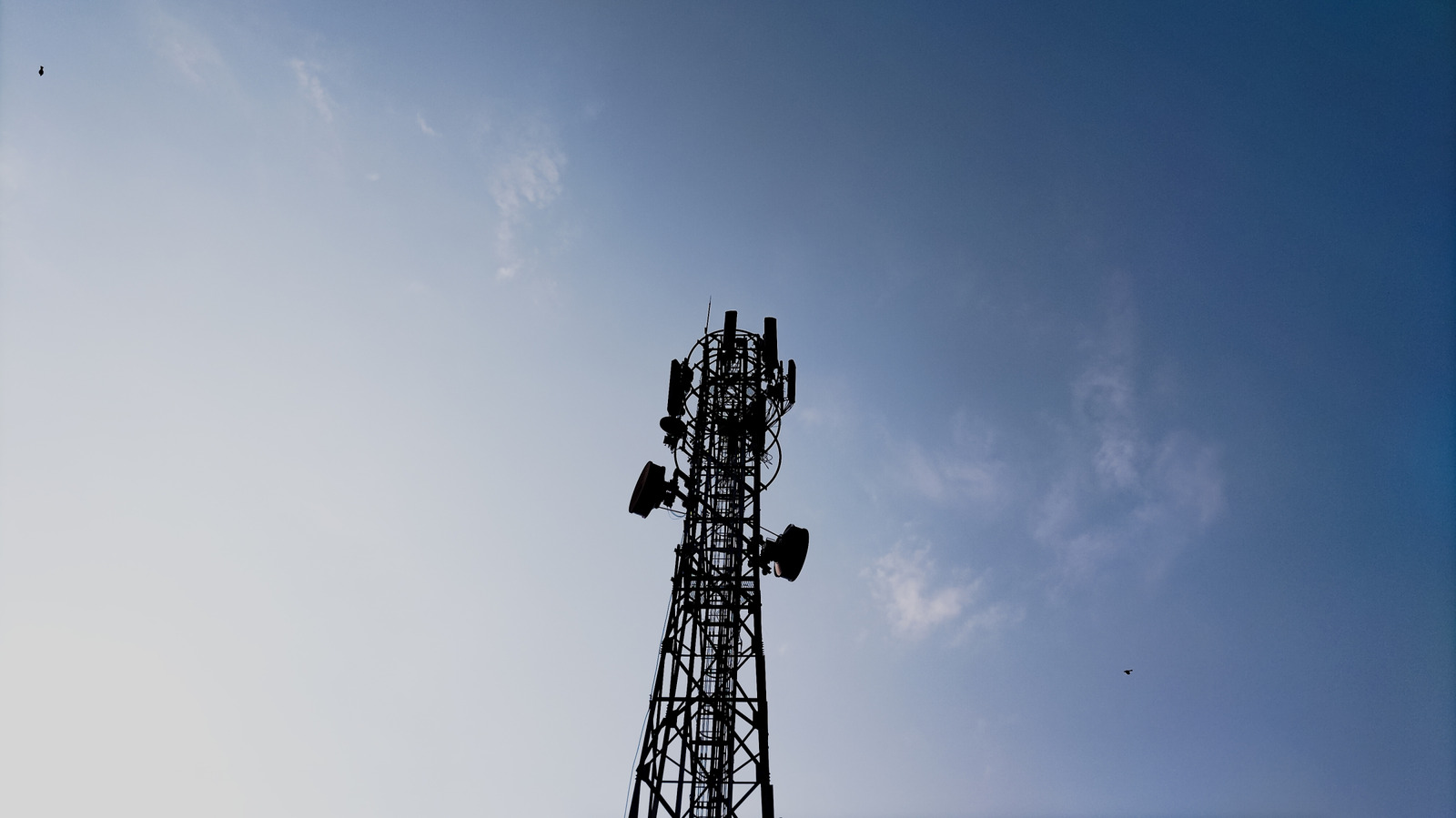
For a long time, mobile phone companies built their networks by putting up tall towers. These towers send signals to phones nearby. However, building these towers is very expensive. In places like deep forests or rocky mountains, it is often impossible to build them at all. This left huge gaps in the map where phones simply would not work. In recent years, companies like SpaceX and AST SpaceMobile have started launching satellites that act like "cell towers in space." These satellites fly low over the Earth and can pick up signals from regular phones. By joining forces, AT&T, T-Mobile, and Verizon can afford to use this expensive space technology to fill every gap in their maps at the same time.
Public or Industry Reaction
The reaction from the public has been very positive. Many people who enjoy outdoor activities like camping or hiking feel much safer knowing they can call for help if they get lost or hurt. Farmers and people in small towns are also happy because it means they will no longer be cut off from the rest of the world. Industry experts say this is a smart move for the carriers. By working together, they save billions of dollars that they would have spent fighting each other. Government officials have also praised the plan, as it helps close the "digital divide" between cities and rural areas.
What This Means Going Forward
Looking ahead, the way we use our phones will change. We will no longer have to check coverage maps before going on a trip. This partnership might also lead to more cooperation between these companies in other areas, such as emergency response or disaster recovery. As the satellite technology improves, the speed of the connection will get faster. Eventually, you might be able to stream video or use high-speed internet even in the middle of the ocean or on top of a mountain. This deal sets a new standard for the mobile industry, showing that cooperation can sometimes be better for everyone than constant competition.
Final Take
This agreement between AT&T, T-Mobile, and Verizon is a rare example of big companies putting aside their differences to solve a real problem. It proves that technology is finally catching up to our need for constant connection. By using satellites to bridge the gaps on the ground, these companies are making sure that "No Service" becomes a phrase of the past. It is a major win for safety, convenience, and the future of communication.
Frequently Asked Questions
Do I need a special phone to use satellite coverage?
No, the goal of this partnership is to use "direct-to-cell" technology. This means most modern smartphones will be able to connect to the satellites without any extra hardware or special apps.
Will I have to pay extra for this service?
While the companies have not released all the pricing details yet, many experts believe basic emergency texting will be included in standard plans, though high-speed data via satellite might cost more.
When will this new coverage be available?
The companies are already testing the technology. Basic services like text messaging are expected to roll out to most users within the next year, with voice and data following later.