
Summary
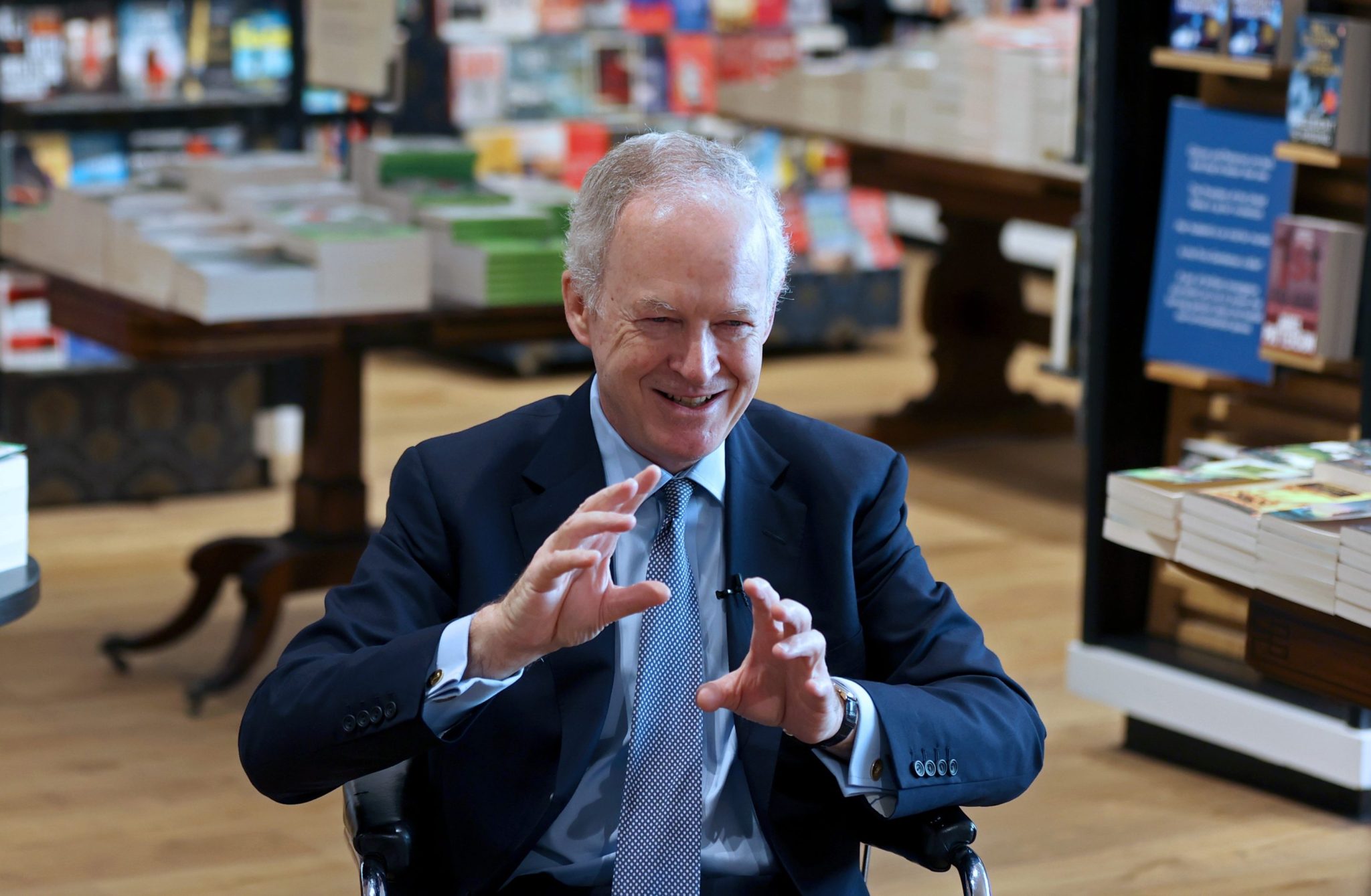
James Daunt, the CEO of Barnes & Noble, has clarified his company’s position on books created by artificial intelligence (AI). After making comments that suggested he would not ban AI-written books, he faced significant criticism from the public. Daunt now explains that while he does not want to use the word "ban," the bookstore actively works to keep AI-generated content off its shelves and out of its online store. This situation highlights the growing tension between new technology and the traditional world of book publishing.
Main Impact
The primary impact of this clarification is a firm stance against AI-generated content in one of the world's largest book retailers. By stating that the company takes active measures to exclude these books, Barnes & Noble is sending a message to publishers and self-published authors. This move aims to protect the quality of the books they sell and maintain the trust of their customers. It also shows how difficult it is for major companies to navigate the debate over AI without upsetting their core audience.
Key Details
What Happened
The controversy began during an interview with NBC News. James Daunt stated that he would be willing to sell AI-written books as long as they were clearly labeled and customers wanted to buy them. He argued that if a book was honest about being written by a computer and did not copy someone else's work, he had no reason to stop its sale. However, this led to a wave of anger on social media, with many people threatening to boycott Barnes & Noble. In response, Daunt clarified his views, stating that the company does not knowingly stock AI books and views its policy as a "straightforward rejection" of such content.
Important Numbers and Facts
James Daunt took over as the head of Barnes & Noble in 2019. Since then, he has focused on making large stores feel more like local, independent bookshops. The company now requires publishers to label any book that uses AI. This policy comes at a time when the industry is seeing more AI-related issues. For example, in March 2026, the publisher Hachette stopped the release of a novel called "Shy Girl" because of concerns that AI was used to write it. Additionally, a winning story in a major short story contest recently faced an investigation for similar reasons.
Background and Context
The rise of AI has caused a lot of worry in the creative world. Many writers and readers feel that books should be the product of human thought and emotion. When AI is used to write books, it often uses data from existing human-written works, which leads to concerns about theft and a loss of quality. For Barnes & Noble, this issue is complicated. The company has spent years trying to win back customers by focusing on the "soul" of a bookstore. Selling computer-generated books could damage that image. At the same time, the CEO is wary of "banning" books because that word carries a lot of negative weight in the literary world, where freedom of expression is highly valued.
Public or Industry Reaction
The reaction from the public was fast and mostly negative. On social media platforms, readers expressed disappointment, saying that AI books have no place in a store that celebrates literature. Some groups argued that allowing AI books would hurt human authors who spend years perfecting their craft. Within the industry, the debate is split. Some experts believe that AI is just another tool, like a spell-checker, and should not be feared. Others, like the group Freedom House, warn that AI can be used to spread false information and could lead to a crisis in human rights and online safety. They suggest that better software is needed to detect when AI has been used.
What This Means Going Forward
Moving forward, the responsibility for identifying AI content will likely fall on publishers. Daunt believes it is not the job of a bookstore to check every page of every book for AI use. Instead, he wants publishers to be honest and provide clear labels. This could lead to new rules across the entire publishing industry. If other major retailers follow the lead of Barnes & Noble, it will become much harder for AI-generated books to reach a wide audience. However, there may still be a market for AI in technical areas, such as computer coding manuals or basic data reports, where human creativity is less important than factual accuracy.
Final Take
Barnes & Noble is trying to find a balance between embracing the future and respecting the traditions of storytelling. While the CEO wants to avoid the political trouble of banning books, his actions show that the company values human writers over computer programs. As AI technology continues to improve, the line between human and machine work will get harder to see. For now, the world's largest bookseller is choosing to stand with human authors, ensuring that the stories on their shelves come from a person's mind rather than a computer's code.
Frequently Asked Questions
Does Barnes & Noble sell books written by AI?
The company states that it does not knowingly stock AI-written books in its physical stores and takes active steps to remove them from its online catalog.
Why won't the CEO use the word "ban"?
James Daunt wants to avoid the debate over book censorship. He believes that defining what counts as an "AI book" is difficult and that the focus should be on quality and honesty instead of strict bans.
How can readers tell if a book was written by AI?
Barnes & Noble now requires publishers to clearly label any books that are generated by AI so that customers can make an informed choice before buying.