
Summary
A new trend called "blue dot fever" is causing major music stars to cancel their concert tours across the United States. The name comes from the blue dots on seating charts that show which tickets have not been sold. Famous artists like Post Malone, Meghan Trainor, and Zayn Malik are among those struggling to fill seats. This shift happens as ticket prices reach record highs and fans choose to spend their money elsewhere. The situation shows a growing gap between what artists want to charge and what the public can afford.
Main Impact
The music industry is facing a difficult reality as fans pull back from expensive live shows. For years, big stadium tours were seen as a guaranteed way for artists to make money. Now, even household names are finding it impossible to sell out large venues. This has led to a wave of sudden cancellations that leave fans disappointed and local economies hurting. The impact is felt most by the crews and workers who rely on these tours for their income, as well as the fans who find themselves priced out of seeing their favorite performers.
Key Details
What Happened
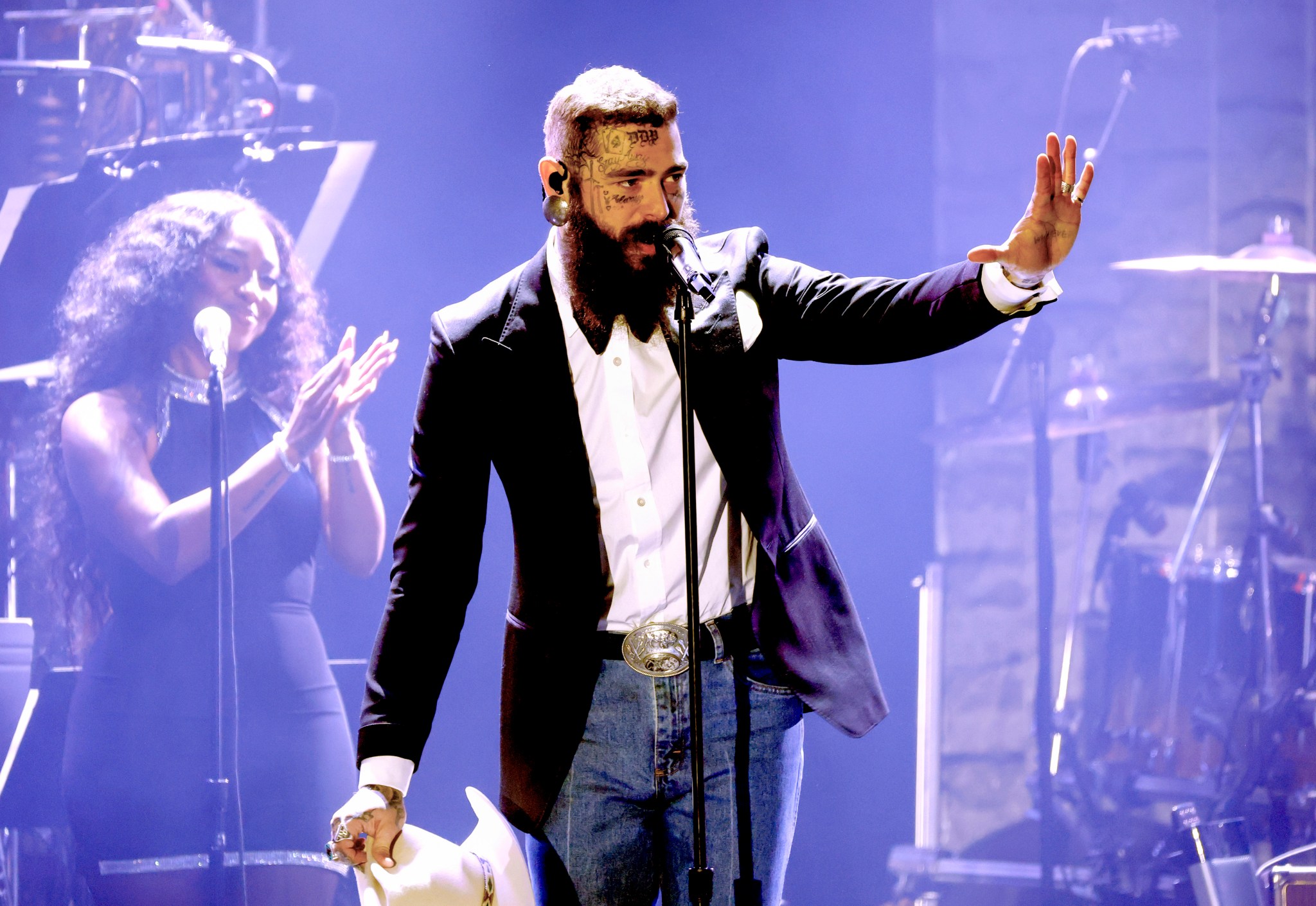
Several high-profile tours have been cut short or canceled entirely in recent weeks. The Pussycat Dolls recently stopped a large part of their tour, openly admitting that low ticket sales were the reason. Other stars have been less direct but have followed the same path. Meghan Trainor and Zayn Malik both canceled all of their scheduled arena dates in the United States. Meanwhile, Post Malone and Jelly Roll had to cancel about one-third of the dates on their joint stadium tour. These empty seats have become a common sight on ticket-buying websites, signaling a major change in how people spend their entertainment budgets.
Important Numbers and Facts
The cost of attending a concert has gone up significantly over the last few years. In 2020, the average price for a concert ticket was around $82. By 2025, that number rose to $115. Now, in 2026, the average ticket price has hit $144. This is a massive increase that many families cannot keep up with. Additionally, the cost of running a tour has climbed. Gas prices have risen sharply due to the ongoing war in Iran. Since tours require many trucks and buses to move equipment and people from city to city, these fuel costs eat into the money a tour makes. If a show does not sell enough tickets, the artist might actually lose money by performing.
Background and Context
To understand why this is happening, it is important to look at the bigger picture of the economy. Everything from food to housing has become more expensive, leaving people with less "extra" money for fun activities. For a long time, fans were willing to pay almost any price to see a live show after the pandemic ended. However, that period of high spending seems to be over. People are now being much more careful with their cash. At the same time, the music industry is facing huge competition this summer. The FIFA World Cup is being held in North America, and many people are saving their money to buy tickets for soccer matches instead of music concerts.
Public or Industry Reaction
Fans are expressing frustration online about the high cost of tickets and the extra fees added at checkout. Many feel that the industry has become too greedy. Recently, a jury found that Live Nation, the company that owns Ticketmaster, has been acting as a monopoly. This means they have too much control over the market and can keep prices high without fear of competition. While many hoped this court decision would lead to cheaper tickets, experts are not so sure. They point out that as long as the costs of travel, security, and venue rental stay high, ticket prices are unlikely to drop back to where they were a few years ago.
What This Means Going Forward
The era of the massive stadium tour may be changing. In the future, we might see more artists choosing to play in smaller theaters or clubs where they can guarantee a full house. This would make the experience more personal for fans, but it also means fewer tickets will be available overall. Artists may also have to rethink how they plan their tours to save on travel costs. If "blue dot fever" continues, the industry will have to find a way to make concerts affordable again, or risk losing a generation of live music fans who simply cannot afford to walk through the door.
Final Take
The current trend of tour cancellations is a wake-up call for the music business. When ticket prices rise faster than people's wages, something eventually has to break. While stars like Post Malone and Meghan Trainor remain popular, their popularity alone is no longer enough to overcome the high cost of living. The industry must find a balance between making a profit and keeping live music accessible to the public. If they fail to do so, the "blue dots" of empty seats will only continue to spread.
Frequently Asked Questions
What is blue dot fever?
It is a term used in the music industry to describe when a concert tour is canceled because too many tickets are unsold. It refers to the blue dots on seating maps that represent available seats.
Why are concert tickets so expensive in 2026?
Prices have risen to an average of $144 due to higher costs for travel, fuel, and venue operations. Additionally, some companies have been accused of using their market power to keep prices high.
Which artists have canceled their tours recently?
The Pussycat Dolls, Meghan Trainor, and Zayn Malik have canceled major portions of their tours. Post Malone and Jelly Roll also cut several dates from their stadium tour due to low sales.