
Summary
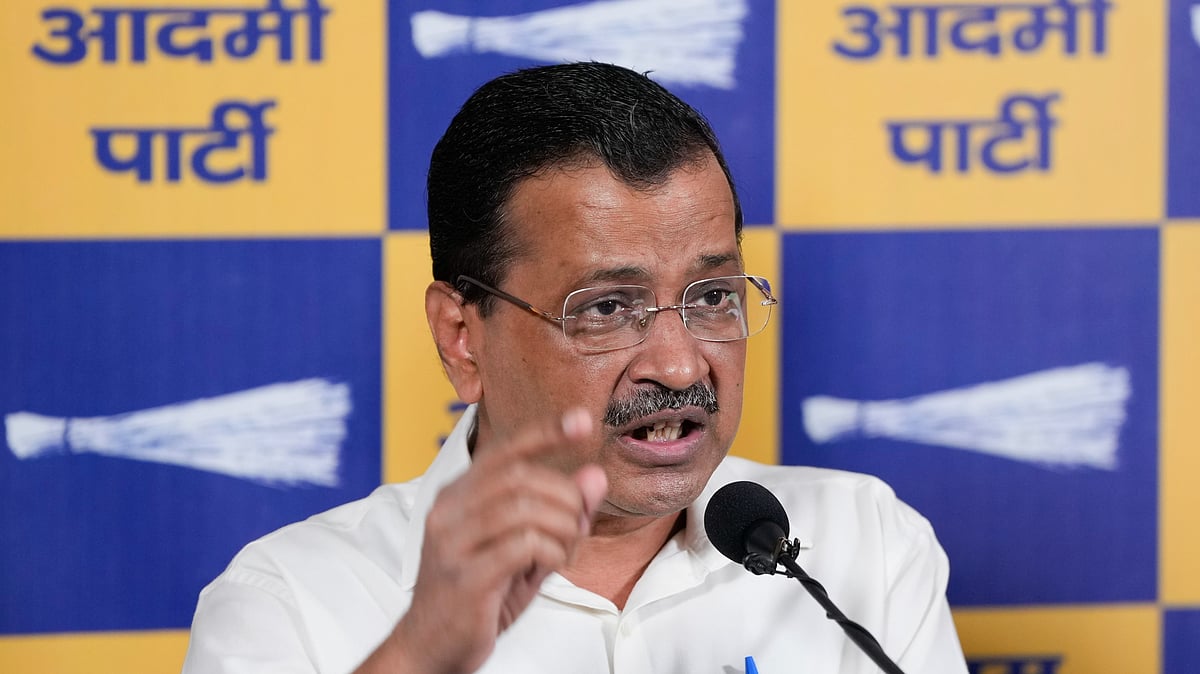
The Central Bureau of Investigation (CBI) has started a formal corruption case involving a drain construction project from nearly ten years ago. The investigation focuses on Surender Kumar Bansal, a contractor who has since passed away and was a relative of former Delhi Chief Minister Arvind Kejriwal. This legal move brings new attention to how government contracts were managed during the early years of the Aam Aadmi Party (AAP) administration. The case involves claims of fake bills and payments made for work that was never actually finished.
Main Impact
This investigation marks a major step by federal agencies to look into older public works projects in the capital. By filing this First Information Report (FIR), the CBI is searching for evidence that public money was taken from the government treasury through dishonest means. The main impact is the potential for new legal challenges for those who were part of the Delhi government during 2015 and 2016. It also highlights the ongoing tension between federal investigators and the local Delhi leadership, as old files are being reopened to check for past wrongdoing.
Key Details
What Happened
The CBI claims that Surender Kumar Bansal used several different company names to win government contracts. One of these firms was reportedly listed under the name of a person called Kamal Singh. Investigators say that even though these companies received money for building a drain, the actual construction work was not done. To get this money from the government, the suspects allegedly used fake bills from a business called Bhardwaj Enterprises. These bills were used to show that materials were bought and work was performed, even when it was not.
Important Numbers and Facts
The contract in question was for a drain project during the 2015–16 period. One of the most unusual parts of the deal was the price. The contract was given at a rate that was 46 percent lower than the standard market price. Investigators believe the technical rules for the project were changed or ignored to make sure Bansal’s firms won the bid. A second FIR has also been filed specifically naming Kamal Singh as an accused person in this matter. The CBI took over the case after it was transferred from local investigators by the Ministry of Home Affairs.
Background and Context
This case did not start with the CBI. It was first handled by the Anti-Corruption Bureau (ACB), which is a department under the Delhi government. However, in September of last year, the Ministry of Home Affairs decided to move the case to the CBI for a more detailed investigation. Public works contracts, such as building roads and drains, are often a source of debate in city politics. When a contractor is related to a high-ranking official, the situation becomes even more sensitive. In this instance, the contractor, Mr. Bansal, died in 2017. Even though he is no longer alive, the legal process is continuing against the companies and other individuals who were involved in the project. This is common in cases where investigators want to find out if public funds were stolen and where that money eventually went.
Public or Industry Reaction
The Aam Aadmi Party has been very vocal about this case since it first came to light. They have called the investigation a "witch-hunt," which means they believe the case is being used to unfairly target their leaders for political reasons. Party members have dismissed all the claims as completely baseless and designed to hurt their reputation. On the other side, the original complaint suggests that the contractor used his family connections to make illegal profits. It is important to remember that these are still just allegations. They have not been proven in a court of law, and the CBI is still gathering evidence to see if a crime was truly committed.
What This Means Going Forward
The CBI is still in the early stages of its work on this case. They will likely look into bank records, talk to engineers who approved the work, and check if any government officials helped bypass the standard rules. Since the main person accused is dead, the focus will be on the money trail and any living partners or officials who helped with the alleged fraud. This could lead to more legal trouble for people who worked in the public works department at that time. If the CBI finds that the work was skipped while the payments were kept, it could lead to more arrests or charges against those who signed off on the project. The investigation will also look at whether any other contracts were awarded in a similar way during that period.
Final Take
This case shows that old government projects can still cause serious legal problems many years later. Even though the events happened a decade ago, the CBI is determined to find out if public money was stolen through fake invoices and rigged bidding processes. The outcome of this case will depend on whether the agency can find solid proof that the work was never done. It serves as a reminder that the use of public funds is always subject to review, no matter how much time has passed.
Frequently Asked Questions
Who is the main person named in the CBI case?
The case involves Surender Kumar Bansal, a deceased contractor who was a relative of former Delhi Chief Minister Arvind Kejriwal. Another individual named Kamal Singh is also mentioned in the FIR.
What is the specific allegation regarding the drain project?
The allegation is that the contractor received payments for a drain project in 2015-16 without actually doing the work. It is claimed that fake invoices were used to get money from the government.
Why is this case being investigated now if the contractor is dead?
The CBI is investigating to find out if public money was stolen and if other people or officials helped in the fraud. Even if a primary suspect is deceased, the agency can still investigate the companies and other partners involved in the crime.