

Summary
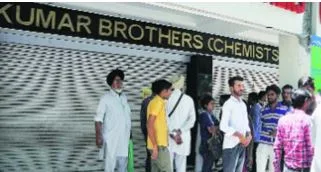
Chandigarh residents will still have access to essential medicines during a nationwide strike scheduled for May 20. While many chemist shops plan to close their doors to protest government policies, at least 52 medical stores across the city will remain operational. This decision ensures that patients in need of urgent care or life-saving drugs do not face a health crisis. The strike is part of a larger movement by pharmacy owners who are unhappy with how the government is handling online medicine sales.
Main Impact
The primary impact of this decision is the protection of public health during a period of industrial action. By keeping 52 strategic locations open, the Chandigarh administration and the local chemist association are minimizing the risk to patients. People visiting major hospitals or those in need of emergency prescriptions will not be left without options. This move balances the right of the chemists to protest with the basic right of citizens to access healthcare services.
Key Details
What Happened
The All-India Organisation of Chemists and Druggists called for a one-day nationwide strike on May 20. Initially, the Chandigarh Chemists Association (CCA) supported a total shutdown of all retail medicine shops in the city. However, after discussions regarding public safety, the association and the local government agreed that a significant number of stores must stay open. These stores are located in areas where they can serve the highest number of people, particularly near medical centers and government facilities.
Important Numbers and Facts
A total of 52 medical stores will stay open throughout the day on May 20. These include specific types of pharmacies and locations designed to help the public. The list of operational stores includes Amrit Pharmacies and Jan Aushadhi centres, which are known for providing affordable medicines. Additionally, all medical stores located inside major institutions will be functional. This includes the Post Graduate Institute of Medical Education and Research (PGI), the Government Medical College and Hospital (GMCH) in Sector 32, and the Government Multi-Speciality Hospital (GMSH) in Sector 16. Private hospital pharmacies will also remain available to serve their patients.
Background and Context
The strike is a response to a recent notification from the Central Government that chemists believe will hurt their business. The main issue involves the rise of online pharmacies. Local shop owners argue that these digital platforms operate without the same strict rules that physical stores must follow. They are also concerned about "predatory pricing," which is when large companies sell products at very low prices to drive smaller competitors out of business. Local chemists feel that if the government does not step in to regulate these online platforms, many small, family-owned pharmacies will be forced to close forever.
Furthermore, the chemists are worried about the safety of medicines sold online. They believe that without a physical pharmacist present to check prescriptions and provide advice, there is a higher risk of people getting the wrong medication or using drugs incorrectly. This protest is their way of demanding a level playing field where both physical and digital stores follow the same safety and pricing standards.
Public or Industry Reaction
The Chandigarh administration has taken a proactive role in managing the situation. Officials worked closely with the CCA to ensure that the strike does not lead to a medical emergency. While the administration understands the concerns of the shop owners, their main priority is the well-being of the city's residents. The CCA has stated that while they want their voices heard by the government, they do not want to cause unnecessary suffering to the sick. This is why they agreed to keep hospital-based stores and government-backed pharmacies open during the protest.
What This Means Going Forward
This strike serves as a major signal to the government that the traditional pharmacy industry is under pressure. In the coming months, there may be more discussions between chemist associations and health officials to create new rules for online medicine sales. If the government does not address these concerns, more strikes could happen in the future. For now, the focus remains on May 20. Residents are advised to buy their regular medicines a day early to avoid any inconvenience, though emergency supplies will be available at the 52 designated spots.
Final Take
The decision to keep 52 stores open shows a responsible approach to a difficult situation. It allows the chemists to make their point to the government without putting lives at risk. As the world moves more toward digital shopping, the struggle between local stores and online giants will likely continue. For the people of Chandigarh, the main takeaway is that while the city may look different on May 20, essential healthcare remains a priority that will not be fully shut down.
Frequently Asked Questions
Which medical stores will be open in Chandigarh on May 20?
At least 52 stores will be open, including those inside PGI, GMCH Sector 32, and GMSH Sector 16. Amrit Pharmacies and Jan Aushadhi centres will also remain operational.
Why are the chemists going on strike?
Chemists are protesting against the lack of regulations for online pharmacies and unfair pricing practices that make it hard for local shops to survive.
Should I buy my medicine before the strike starts?
Yes, it is a good idea to purchase any non-emergency or regular medicines before May 20 to avoid long lines or the inconvenience of traveling to one of the few open stores.
