

Summary
The Chandigarh Administration has issued a firm warning to 83 private schools regarding two major issues: illegal parking changes and the failure to provide free seats for poor students. These schools have been given exactly one month to fix these problems or face serious legal consequences. Officials found that many schools turned their parking lots into classrooms or sports areas, which has caused major traffic jams on public roads. Additionally, the government is checking if these schools are following the rule to give 15 percent of their seats to children from low-income families.
Main Impact
This decision by the local government will have a direct effect on how schools operate and how traffic flows in the city. By forcing schools to move student pick-up and drop-off points inside their own gates, the administration hopes to stop the daily traffic chaos that happens during school hours. For families, this move ensures that schools are held accountable for their social responsibilities. If schools do not comply, they risk losing their land or facing heavy fines, which sends a strong message that public safety and fair education must come before profit or expansion.
Key Details
What Happened
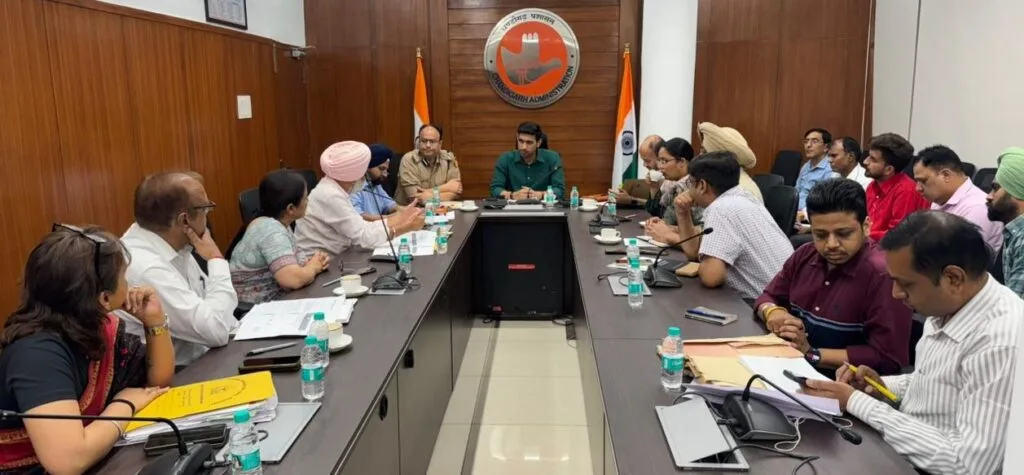
Deputy Commissioner Nishant Kumar Yadav led a meeting to review the safety of students during travel. During this meeting, it was revealed that many private schools have ignored their original building plans. Instead of keeping space for buses and cars to park inside, they built extra classrooms or playgrounds. This forces buses to stop on the main roads, blocking traffic for everyone else. The government has now told these schools they have 30 days to clear these areas and use them for parking again.
Important Numbers and Facts
The notice applies to all 83 private schools in Chandigarh. This includes 63 regular private schools and 20 minority schools. According to the rules, these schools must set aside 15 percent of their total seats for students from the Economically Weaker Section (EWS). These seats must be provided for free because the schools received their land from the government at very cheap prices. The administration will begin strict inspections as soon as the one-month notice period ends to ensure every school is following these laws.
Background and Context
This issue is rooted in the way land was given to schools decades ago. Under the Capital of Punjab Act of 1952, the government provided land to private groups at low costs. The goal was to make sure there were enough schools to serve the community. Because the land was given so cheaply, the schools agreed to certain conditions. One condition was to help the community by teaching poor children for free. Another was to follow specific building rules to keep the city organized. Over time, many schools grew larger and started using their parking space for more buildings, leading to the current traffic problems and the need for government intervention.
Public or Industry Reaction
Parents and local residents have often complained about the traffic jams near schools. Many people feel that private schools have become too focused on adding more students without thinking about the safety of the roads. On the other hand, school leaders are now under pressure to change their buildings quickly. The government has made it clear that the rules apply to everyone, including minority schools. A ruling from last year confirmed that since the land was given for "charitable purposes," every school has a duty to follow the 15 percent EWS rule regardless of their status.
What This Means Going Forward
In the coming weeks, schools will need to show their original building plans to the Estate Office. They must prove that they have enough space inside their gates for buses to pick up and drop off children. Schools are also required to hire their own staff to manage traffic outside their gates during the morning and afternoon. This will help ensure that students do not have to cross busy roads. If a school fails to meet these requirements by the end of the month, the government may take back the land or cancel the school's permission to operate.
Final Take
The Chandigarh Administration is taking a necessary step to balance private education with public safety. Schools that benefited from cheap government land must now honor their end of the deal. By fixing parking issues and ensuring fair access for poor students, the city is moving toward a more organized and inclusive education system. The next 30 days will be a turning point for how private institutions respect city laws and community needs.
Frequently Asked Questions
Why are the schools being punished?
They are not being punished yet, but they have been warned. Many schools used their parking lots to build classrooms, which causes traffic jams. They are also being checked to see if they are giving free seats to poor students as promised.
What is the 15 percent rule?
When the government gave land to these schools at a low price, the schools agreed to give 15 percent of their seats to students from low-income families for free. This is a legal requirement they must follow.
What happens if a school does not fix the parking?
After one month, the government will inspect the schools. If a school has not cleared its parking area or followed the rules, the administration can take legal action, which might include taking back the school's land.