

Summary
New data from satellite and drone imagery shows that nearly 40 percent of data center construction projects in the United States are facing major delays. These facilities are the backbone of the artificial intelligence boom, but they are hitting physical limits that money cannot easily solve. Tech giants like Microsoft, Oracle, and OpenAI are seeing their projects fall behind schedule by several months. This slowdown is caused by a lack of skilled workers, a shortage of electrical power, and difficulty getting the right equipment on time.
Main Impact
The delay in building these data centers could slow down the development of new AI technologies. Silicon Valley companies have promised to build massive systems to power the next generation of software, but they are finding that the physical world moves much slower than the digital one. If these centers are not finished, companies may not have the computing power they need to train and run their most advanced AI models. This creates a bottleneck that affects the entire tech industry and its future growth plans.
Key Details
What Happened
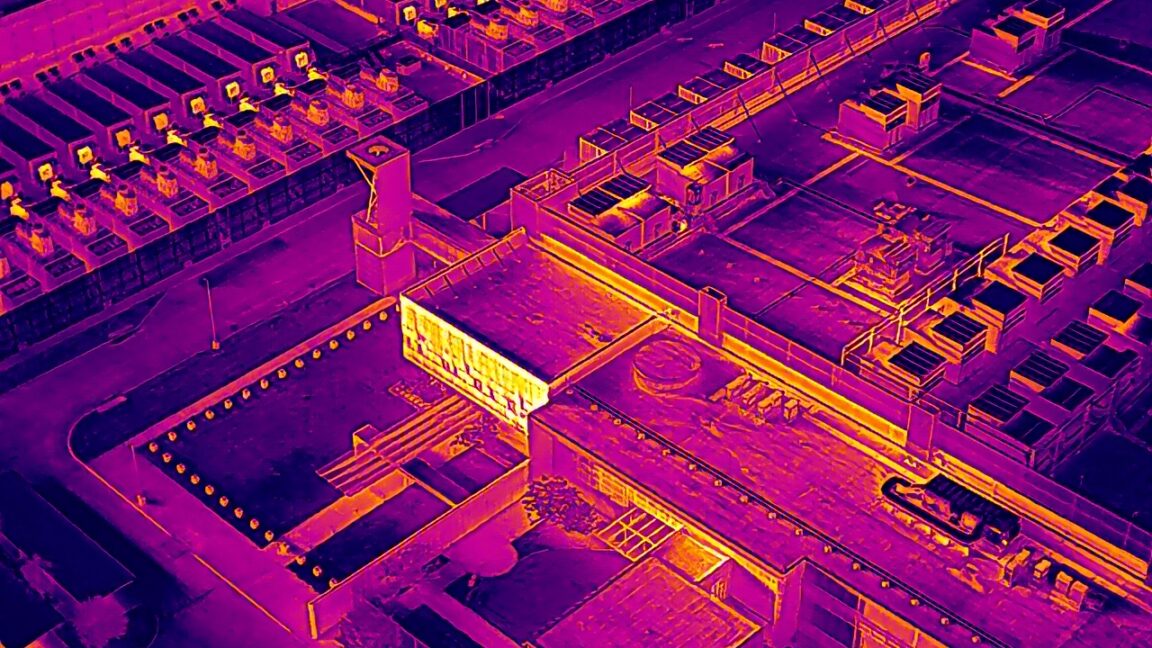
A detailed analysis used satellite photos to track the progress of construction sites across the country. By looking at how much land has been cleared and how many foundations have been poured, researchers could see which projects were on track and which were stuck. The study compared these images with public records and building permits. The results showed that many projects are likely to miss their completion dates by three months or more. This is a significant setback for companies that have already spent billions of dollars on these sites.
Important Numbers and Facts
The data shows that about 40 percent of the data centers planned for completion this year will likely be late. These buildings are not typical offices; they are massive structures that require an incredible amount of energy. Some of these centers use as much electricity as hundreds of thousands of American homes combined. Because they are so large and complex, they require specialized workers. However, there is a severe shortage of tradespeople, specifically electricians and pipe fitters, who are needed to install the cooling systems and power lines that keep the computers running.
Background and Context
The push for more data centers is driven by the rise of artificial intelligence. AI programs require thousands of powerful computer chips working together at the same time. These chips generate a lot of heat and use a lot of power, which means the buildings housing them must have advanced cooling systems and a direct connection to the power grid. In the past, data centers were smaller and easier to build. Today, they are some of the largest construction projects in the world. As these projects grow in size, they are also facing more pushback from local communities who are worried about how much water and electricity these facilities use.
Public or Industry Reaction
Industry leaders are describing the current situation as a period of "chronic shortages." Construction executives have noted that they simply do not have enough people to work on all the projects currently under contract. Even when a company has the money to build, they often have to wait for months to get basic equipment like transformers or backup generators. Some experts believe that the industry tried to grow too fast without making sure the supply chain and the workforce could keep up. This has led to a situation where many projects are competing for the same small group of workers and the same limited power supply.
What This Means Going Forward
Moving forward, tech companies may need to change how they plan their growth. Instead of building in traditional tech hubs, they might have to look for locations where power is easier to find and where there are more available workers. There is also a risk that the cost of building these centers will continue to rise as competition for resources increases. If the delays continue, it could lead to a cooling-off period for AI investment, as investors realize that building the necessary infrastructure will take much longer and cost much more than originally expected.
Final Take
The current construction delays serve as a reality check for the tech industry. While software can be updated in an instant, building the physical infrastructure to support it takes years of hard work and careful planning. The shortage of workers and power shows that even the wealthiest companies in the world must follow the rules of the physical world. For AI to keep growing at its current pace, the industry will need to find new ways to solve these basic construction and energy problems.
Frequently Asked Questions
Why are US data centers being delayed?
The main reasons for the delays are a lack of skilled workers like electricians, a shortage of electrical power from the grid, and long wait times for necessary construction equipment.
Which companies are affected by these construction delays?
Major technology companies including Microsoft, Oracle, and OpenAI are among those facing delays of three months or more on their data center projects.
How was the data about these delays collected?
Researchers used satellite and drone imagery to monitor construction progress at various sites. They then compared those images with official building permits and public company statements to identify which projects were behind schedule.

