

Summary
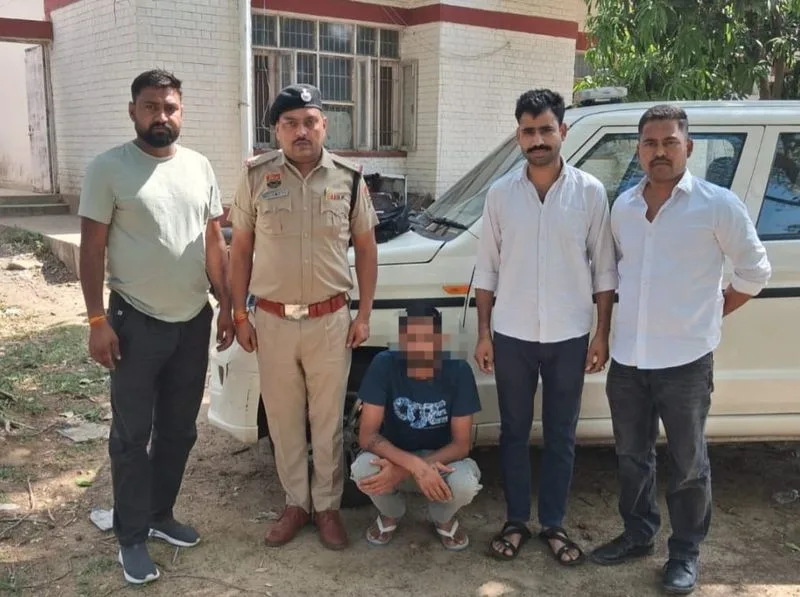
Police in the Rewari district of Haryana have arrested another person involved in a major cyber fraud case. The suspect, Amar Sharma, is accused of helping a gang that stole Rs 1.89 crore from an elderly couple. The victims, who live in Dharuhera, were victims of a "digital arrest" scam that lasted for several weeks. This latest arrest brings the total number of people caught in this specific case to 11.
Main Impact
This case shows how dangerous and organized cybercrime has become in India. By using the fear of legal trouble, criminals were able to control an elderly couple inside their own home without ever being physically present. The arrest of Amar Sharma is important because he acted as a middleman. He provided the bank accounts used to hide and move the stolen money. Breaking these financial links is a key step for police trying to stop large-scale fraud networks that operate across different states.
Key Details
What Happened
The scam began in late February when Rajpal Singh, a retired man, received a phone call from someone pretending to be an official from the Telecom Regulatory Authority of India (TRAI). The caller claimed that Singh’s identity was being used for illegal activities and that his phone service would be cut off. Soon after, another person called claiming to be an officer from the Central Bureau of Investigation (CBI). They told Singh that a police report had been filed against him in Mumbai for sending inappropriate content and being involved in money laundering.
To make the lie more believable, the fraudsters forced the couple to download a specific app on their phones. Through this app, the criminals watched the couple constantly. They even staged fake video calls where people dressed as police officers and a judge appeared on screen. The fake judge told Singh he had to deposit 70 percent of his wealth into a "government treasury" to prove his innocence. Terrified, the couple stayed in one room of their house for weeks, believing they were under a real "digital arrest."
Important Numbers and Facts
The scale of this fraud is significant. Between March 3 and April 20, the victims transferred a total of Rs 1.89 crore to various bank accounts controlled by the gang. The police have now arrested 11 people in total. These suspects come from many different parts of India, including Rajasthan, Uttar Pradesh, Madhya Pradesh, Delhi, and Haryana. The latest suspect, Amar Sharma, was caught in Gurugram and has been handed over to the police for one day of questioning to find more clues about the operation.
Background and Context
A "digital arrest" is a fake legal tactic used by cybercriminals. In these scams, fraudsters pretend to be law enforcement officers. They tell victims they are being watched through their phone or computer cameras and are not allowed to leave their homes. They use official-looking uniforms and fake documents to create a sense of panic. It is important to know that real police or government agencies in India never arrest people over video calls, nor do they ask for money to settle a criminal case.
Public or Industry Reaction
Law enforcement agencies are using this case to warn the public about the tactics used by online thieves. Police officials have pointed out that these gangs often target retired individuals who may have large savings and might be less familiar with how modern digital scams work. Security experts are urging people to be careful when receiving calls from unknown numbers, especially if the caller claims to be a government official or threatens legal action.
What This Means Going Forward
The arrest of an intermediary like Sharma suggests that the police are moving closer to the leaders of this fraud ring. By tracing where the bank accounts came from, investigators can see how the money was moved and where it ended up. This case will likely lead to more arrests as the police look into the other 10 suspects already in custody. For the public, this serves as a reminder to never download unknown apps or transfer money based on a phone call. If someone claims to be the police, it is always best to hang up and visit the nearest local police station in person.
Final Take
The "digital arrest" of the couple in Dharuhera is a sad example of how criminals use technology to exploit fear. While the police are making progress by arresting those involved, the best defense remains awareness. Knowing that no official agency will ever demand money over a video call can help people stay safe from these high-pressure scams.
Frequently Asked Questions
What is a digital arrest?
A digital arrest is a scam where fraudsters pretend to be police or judges over video calls. They tell the victim they are under arrest and must stay on the call and in their home until they pay money.
Can the police actually arrest you over a video call?
No. Real law enforcement agencies do not conduct arrests or legal proceedings through video calls like WhatsApp or Skype. They will always communicate through official written notices or in-person visits.
What should I do if I get a threatening call from someone claiming to be an official?
You should hang up immediately and do not share any personal or bank details. Contact your local police station or report the call on the national cybercrime portal to verify the information.