

Summary
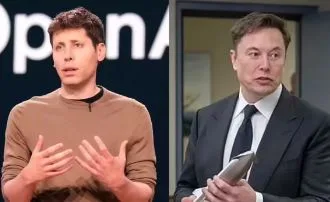
The legal battle between Elon Musk and OpenAI has reached a critical stage, with the focus shifting toward the personal honesty of CEO Sam Altman. Musk claims that the company he helped start has moved away from its original goal of helping humanity and is now focused on making money. The trial has spent a lot of time looking at whether Altman kept his promises to donors and the public. This case is important because it could change how the world's most powerful artificial intelligence companies are managed and who controls them.
Main Impact
The biggest impact of this trial is the question of trust in the tech industry. If the court decides that OpenAI and Sam Altman misled their early supporters, it could lead to new rules for how AI companies are built. It also raises concerns about whether a company can start as a non-profit and then turn into a for-profit business later. This decision will affect how investors give money to new technologies and whether they can trust the leaders of those companies to stay true to their mission.
Key Details
What Happened
During the final days of the trial, lawyers for Elon Musk presented evidence to show that Sam Altman was not transparent about his plans for OpenAI. They argued that Altman used Musk’s money and reputation to build the company, only to change the rules once the technology became valuable. The legal team showed internal messages and emails to suggest that the shift toward a profit-making model was planned much earlier than the public was told.
Important Numbers and Facts
Elon Musk helped start OpenAI in 2015 and reportedly gave tens of millions of dollars to the project. At the time, the goal was to create "open" AI that anyone could use. However, in 2019, OpenAI created a new part of the company that could make a profit. Since then, Microsoft has invested billions of dollars into OpenAI. Musk argues that this partnership turned OpenAI into a "closed-source" company that serves the interests of a giant corporation instead of the public.
Background and Context
To understand this trial, you have to look back at why OpenAI was created. In 2015, Musk and Altman were worried that large companies like Google would get too much power over AI. They wanted to build a safe version of AI that would be shared with everyone. Musk eventually left the board of OpenAI in 2018. He says he left because he saw the company moving in a direction he did not agree with. Since the release of ChatGPT, OpenAI has become one of the most valuable and famous companies in the world, which has made the disagreement between Musk and Altman even more intense.
Public or Industry Reaction
The tech industry is split on who to believe. Some people think Elon Musk is just upset because he is no longer part of a very successful company. They argue that OpenAI needed to change its structure to pay for the massive amount of computer power required to build modern AI. On the other side, many experts are worried about the lack of transparency. They feel that if a company promises to be a non-profit, it should stay that way. Public opinion is also divided, as many people use OpenAI's tools every day but worry about who really controls the technology behind them.
What This Means Going Forward
The outcome of this trial will likely lead to more oversight for AI developers. If Musk wins, OpenAI might be forced to share more of its technology with the public or change how it works with Microsoft. If Altman and OpenAI win, it will show that tech companies have a lot of freedom to change their business models as they grow. Regardless of the winner, the trial has shown that the "trust" between tech leaders and the public is very fragile. Governments may decide to step in and create laws that prevent non-profits from switching to for-profit models so easily.
Final Take
This trial is about more than just a fight between two famous billionaires. It is a test of how much we can trust the people who are building the future of technology. As AI becomes a bigger part of our lives, the honesty of the people leading these companies matters more than ever. The court's decision will tell us if a promise made at the start of a company is a legal bond or just a marketing tool.
Frequently Asked Questions
Why is Elon Musk suing OpenAI?
Musk claims that OpenAI broke its original contract to remain a non-profit company that shares its technology with the public. He believes they are now focused on making money for Microsoft.
What is Sam Altman's defense?
Altman and OpenAI argue that there was never a formal contract with Musk. They say they had to change their business model to raise the billions of dollars needed to develop advanced AI safely.
What could happen if Musk wins the trial?
If Musk wins, the court could order OpenAI to make its AI models open to the public or force the company to return to its original non-profit structure.
