

Summary
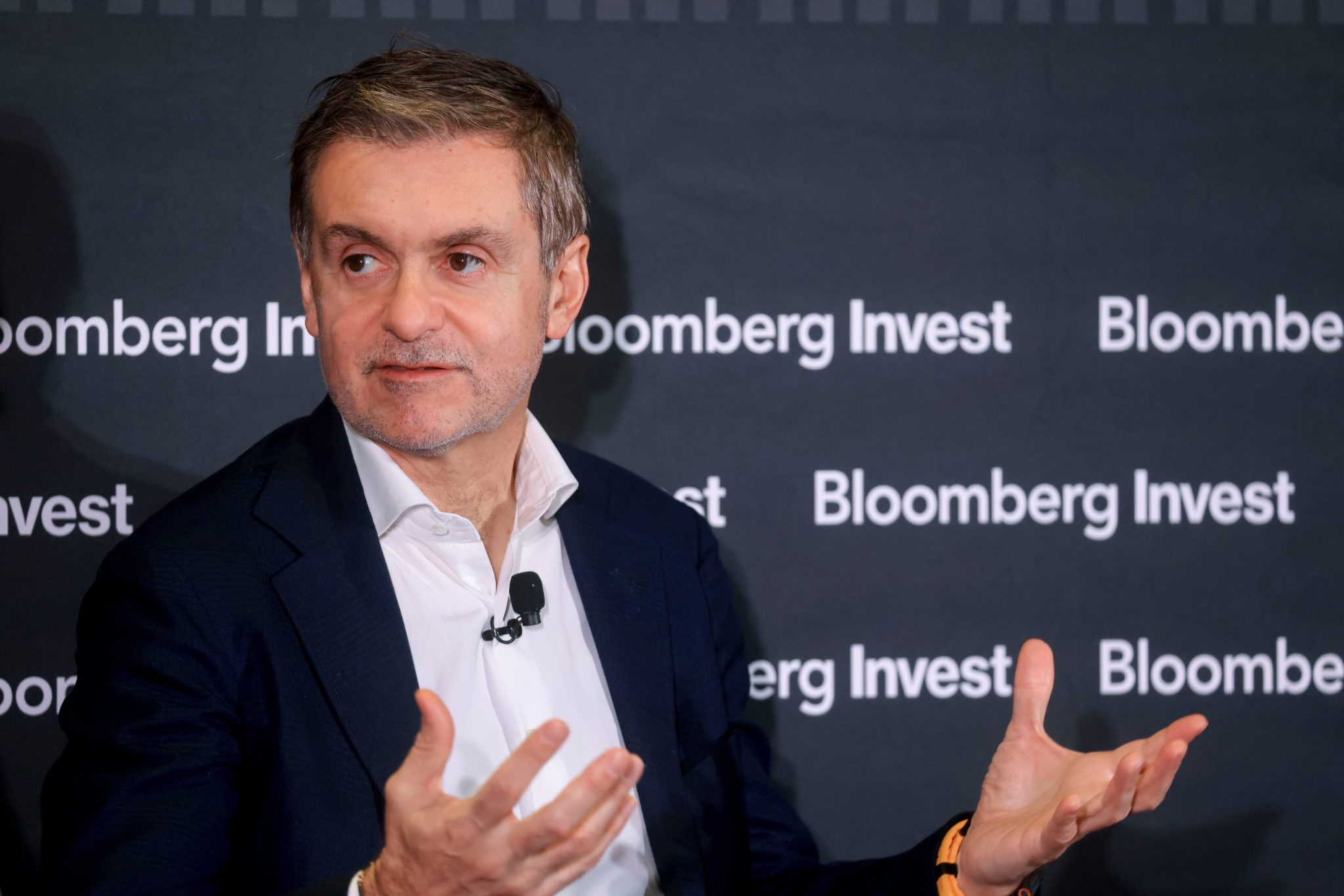
The head of technology at Goldman Sachs, Marco Argenti, believes that tracking how often individual employees use artificial intelligence (AI) is not a good way to measure success. Instead of counting clicks or prompts, he focuses on how fast his team of 12,000 engineers can turn a new idea into a finished product. Argenti argues that AI should be judged by the results it produces for the whole team rather than the actions of a single person. This approach marks a shift in how big companies think about the value of new technology in the workplace.
Main Impact
This perspective from one of the world’s largest investment banks could change how other companies manage their staff. Many businesses are currently struggling to figure out if their heavy investments in AI are actually paying off. By moving away from individual monitoring, Goldman Sachs is prioritizing "speed to market." This means the company cares more about how quickly they can serve customers with new tools than how many hours an employee spends using a chatbot. This strategy could lead to a more relaxed but high-performing work culture where the final result is the only thing that matters.
Key Details
What Happened
Marco Argenti, the Chief Information Officer at Goldman Sachs, shared his views on AI productivity during a recent interview. He explained that while the bank has the ability to see exactly how much each employee uses AI, he chooses not to focus on those numbers. He compared the situation to a sports team, noting that watching just one player move around the field does not tell you if the team is winning. The goal is to score, which requires players to work together and pass the ball. In the same way, AI is most useful when it helps a whole team finish projects faster.
Argenti noted that AI has changed the way his engineers work. In the past, they might spend a lot of time making presentations to explain an idea. Now, they use AI to build a working model almost immediately. He described this process as "3D printing" software, where the gap between having a thought and seeing it work has almost disappeared.
Important Numbers and Facts
Goldman Sachs oversees a massive team of 12,000 engineers who are all encouraged to use these new tools. In 2024, the bank launched its own system called the GS AI Platform. This system uses powerful technology from companies like Google and OpenAI but adds a special layer of security. This ensures that the bank’s private information stays safe while employees use the tools. They also use a tool called "Legend," which allows workers to search through millions of files using simple, everyday language instead of complex code.
Background and Context
For a long time, big banks were slow to adopt new technology because they have very strict rules about data and safety. However, Goldman Sachs has tried to stay ahead of the curve. They realized early on that AI could save thousands of hours of manual work. The challenge for many companies today is "AI anxiety," where workers worry that machines will take their jobs. By focusing on how AI helps people build things faster, Goldman is trying to show that the technology is a tool for help, not a replacement for human creativity.
Public or Industry Reaction
Not every company agrees with Goldman’s hands-off approach. For example, Google has reportedly started looking at how much its engineers use AI tools during their yearly performance reviews. At Accenture, the CEO has stated that being able to use AI is now a requirement if an employee wants to be promoted. Some companies have even warned that they might let go of workers who refuse to learn how to use these new systems. At Goldman, Argenti says the mood is different. He claims that as employees use the tools more, they feel "liberated" and "empowered" rather than afraid.
What This Means Going Forward
As AI becomes a normal part of every office, the debate over how to measure work will continue. If Goldman Sachs is successful, more companies might stop tracking every minute of an employee's day and focus only on the final output. This could lead to a future where software is created much faster than ever before. However, it also means that engineers and other workers will need to focus more on teamwork and high-level ideas, as the basic tasks of writing code or making slides are handled by AI.
Final Take
The real power of AI is not found in how many people use it, but in how much faster it allows a company to move. By focusing on the journey from idea to production, Goldman Sachs is treating AI as a speed booster for human talent. Success in the future will likely belong to the teams that can use these tools to solve problems quickly, rather than those who simply track how many times a worker logs into a system.
Frequently Asked Questions
Why doesn't Goldman Sachs track individual AI use?
The company believes that individual stats do not show the full picture. They care more about how the whole team performs and how quickly they can finish a project.
What is the "Legend" system used by the bank?
It is an internal tool that lets employees search through the bank's massive library of files using normal English sentences, making it much easier to find information quickly.
How do Goldman Sachs engineers use AI to build software?
They use it to create prototypes or working models of their ideas instantly. This removes the need for long planning phases and allows them to test their ideas right away.