

Summary
Goldman Sachs economists recently shared a new outlook on the American economy. While many experts believe a "K-shaped" economy is already here, Goldman Sachs suggests the situation has been exaggerated so far. However, they warn that this divide between the rich and the poor will likely become much more visible and painful later in 2026. As government aid fades and the cost of basic needs like gasoline rises, lower-income families are expected to face much harder times than those at the top.
Main Impact
The primary concern is the growing gap in how different groups of people experience the economy. A K-shaped economy means that while wealthy people continue to see their fortunes grow, lower-income households see their financial health decline. This split can lead to lower overall spending in the country, as a large portion of the population struggles to afford basic goods. If Goldman Sachs is correct, the end of 2026 could mark a period where the "haves" and "have-nots" live in two completely different economic realities.
Key Details
What Happened
For the past year, economists have debated whether the U.S. is already in a K-shaped recovery. Some argued that high-earning households were doing great while others were barely getting by. Goldman Sachs’ chief U.S. economist, David Mericle, recently noted that inflation has actually affected most income levels in a similar way over the last year. He believes that the weak sales seen at discount stores were more about changes in immigration rules than a total loss of wealth for poor families. However, he and his team believe this balance is about to shift for the worse.
Important Numbers and Facts
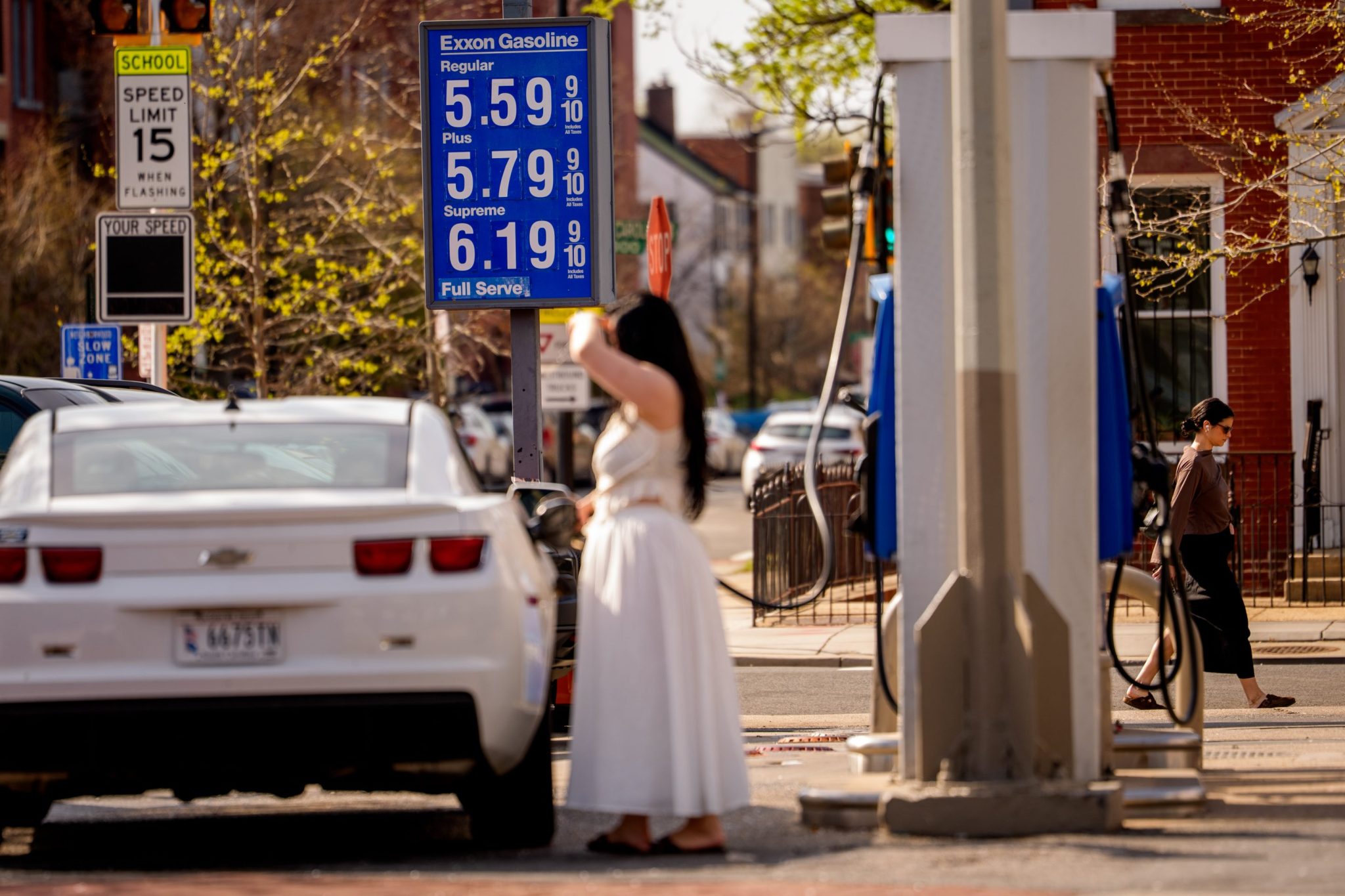
The data shows a worrying trend for the near future. Lower-income households spend about four times as much of their take-home pay on gasoline compared to the wealthiest families. Because of these rising costs, economists predict a 1% drop in total retail sales soon. Additionally, while middle and high-income groups are seeing their pay grow thanks to recent tax changes and government bills, lower-income groups are facing cuts to essential programs. Specifically, reductions in Medicaid and SNAP benefits, which help with healthcare and food, are expected to hit these families hard in 2026.
Background and Context
To understand this issue, it helps to know what a "K-shaped" economy looks like. Imagine the letter K. The top line goes up, representing people who own homes, have stocks, and earn high salaries. The bottom line goes down, representing people who rent their homes, have no savings, and work in jobs where pay does not keep up with rising prices. For many years, owning a home was the main way Americans built wealth. Today, high home prices and a lack of available houses have forced many people to rent. This makes it harder for them to save money, while those who already own property see their wealth increase as home values go up.
Public or Industry Reaction
Not all experts agree with the idea that the K-shape is only a future problem. Mark Zandi, a top economist at Moody’s Analytics, argues that many Americans are already "hanging on by their fingertips." He pointed out that about half of the states in the U.S. felt like they were in a recession last year. Other experts from J.P. Morgan agree that the housing market is a major reason for this divide. They argue that because people cannot afford to buy homes, they are forced to rent, which keeps rental prices high and prevents lower-income families from ever getting ahead.
What This Means Going Forward
Looking ahead, the economy may become more difficult for the average person to navigate. As gasoline and housing costs stay high, families with less money will likely stop spending on extra things like eating at restaurants or buying new clothes. This could lead to slower growth for the entire country. We can also expect to see a bigger difference in how people feel about the economy. While wealthy individuals might feel confident because their investments are growing, others will feel the pressure of rising bills and fewer government safety nets. The next year will be a test of how well the U.S. can handle this growing separation.
Final Take
The warning from Goldman Sachs suggests that the worst of the economic divide is still to come. While the economy has stayed surprisingly strong for many people so far, the combination of high prices for essentials and the end of government support programs will likely create a sharp split in 2026. Success in the coming year may depend entirely on which side of the "K" a household falls on. Understanding these trends now is vital for anyone trying to plan for their financial future in a changing world.
Frequently Asked Questions
What is a K-shaped economy?
A K-shaped economy happens when different parts of society move in opposite directions. The wealthy get richer and see their financial situation improve, while lower-income individuals see their wealth decrease and struggle to pay for basic needs.
Why does Goldman Sachs think 2026 will be a hard year?
Goldman Sachs predicts that 2026 will be difficult because the temporary financial boosts from tax refunds and government aid will be gone. At the same time, high gas prices and cuts to food and health benefits will put more pressure on families with less money.
How does housing affect the economic divide?
Housing is a major factor because it is the main way most people build wealth. When home prices are too high, people are forced to rent. This means they spend a large part of their income on housing without ever owning an asset that grows in value, while homeowners get wealthier as property prices rise.