

Summary
Google is expanding its AI watermarking technology, known as SynthID, to other major tech companies. Industry leaders like OpenAI and Nvidia have started using this tool to help identify content made by artificial intelligence. This move is part of a larger effort to make the internet safer by clearly labeling AI-generated images, videos, and audio. As AI becomes more realistic, these tools help people distinguish between what is real and what is computer-generated.
Main Impact
The main impact of this news is the creation of a unified standard for AI safety. In the past, different companies used different methods to label their AI content, which made it hard for users to keep track. By sharing SynthID with competitors like OpenAI and Nvidia, Google is helping to build a common language for digital honesty. This makes it much harder for fake images or misleading videos to spread without being caught by detection tools.
Key Details
What Happened
Google first introduced SynthID three years ago as a way to protect digital content. Unlike a visible sticker or logo, SynthID puts a hidden mark inside the pixels of an image or the waves of an audio file. This mark is invisible to the human eye but can be easily read by computers. Even if a person crops an image or changes its colors, the watermark usually stays attached. Now, this technology is moving beyond Google’s own apps and is being adopted by other giants in the tech world.
Important Numbers and Facts
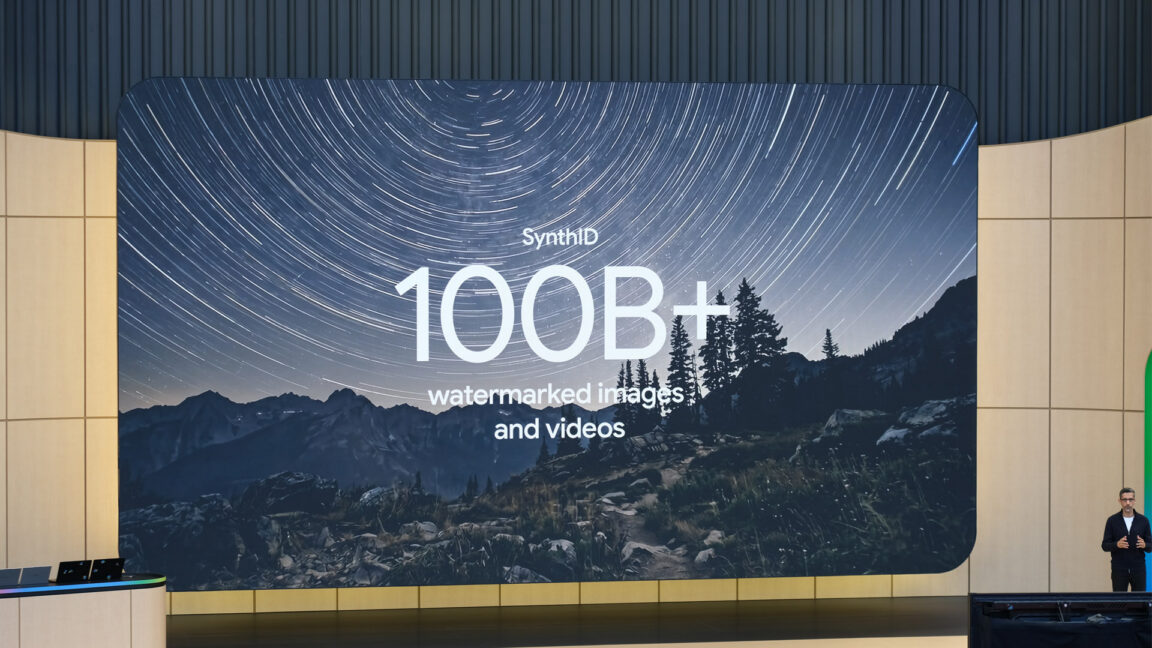
The scale of this technology is already massive. Google reports that SynthID has been used to label over 100 billion images and videos so far. Additionally, the system has processed 60,000 years' worth of audio content. These numbers are expected to grow rapidly now that more companies are using the software. Google is also pushing a second method called C2PA. This acts like a digital "paper trail" that shows exactly how a file was created and if any AI tools were used to edit it.
Background and Context
Only a few years ago, it was easy to spot a photo made by AI. Computers often struggled with small details, like drawing the correct number of fingers on a hand or making text look readable. Today, AI has improved so much that it can create photos and videos that look almost perfect. This has led to concerns about deepfakes and misinformation. People need a reliable way to know if the media they see online is a real recording of an event or something generated by a machine. Tools like SynthID and C2PA are designed to solve this problem by providing proof of a file's origin.
Public or Industry Reaction
The tech industry has reacted positively to this move toward shared standards. Experts believe that having a single, strong system is better than having many weak ones. By working together, companies like Google, Nvidia, and OpenAI are showing that they take AI safety seriously. This cooperation is seen as a necessary step to prevent government regulators from stepping in with even stricter rules. Users are also likely to benefit, as they will soon see clearer labels on the content they consume every day.
What This Means Going Forward
In the coming weeks and months, these tools will become a regular part of how we use the internet. Google is updating its Pixel 8, 9, and 10 smartphones to include these labels on recorded videos. Furthermore, the Gemini AI chatbot will soon be able to scan files and explain their history to users. By the end of the year, Google Chrome and Google Search will also have features that check for these digital watermarks. This means that when you look at an image in your browser, the software can tell you if it was made by a human or a computer.
Final Take
As artificial intelligence continues to change how we create media, the line between reality and fiction is getting thinner. The adoption of SynthID by major tech players is a vital shield against digital trickery. While no system is perfect, having a hidden, permanent mark on AI content provides a much-needed layer of trust. It ensures that as technology moves forward, our ability to find the truth moves forward with it.
Frequently Asked Questions
What is SynthID?
SynthID is a technology developed by Google that adds an invisible watermark to AI-generated images, videos, and audio. It helps computers identify AI content even if the file has been edited.
Can I see the SynthID watermark?
No, the watermark is designed to be invisible to humans. It does not change the look or quality of the image, but it can be detected by special software and search engines.
Which companies are using this technology?
While Google created it, other major companies like OpenAI and Nvidia are now adopting the technology to label the content created by their own AI models.
