

Summary
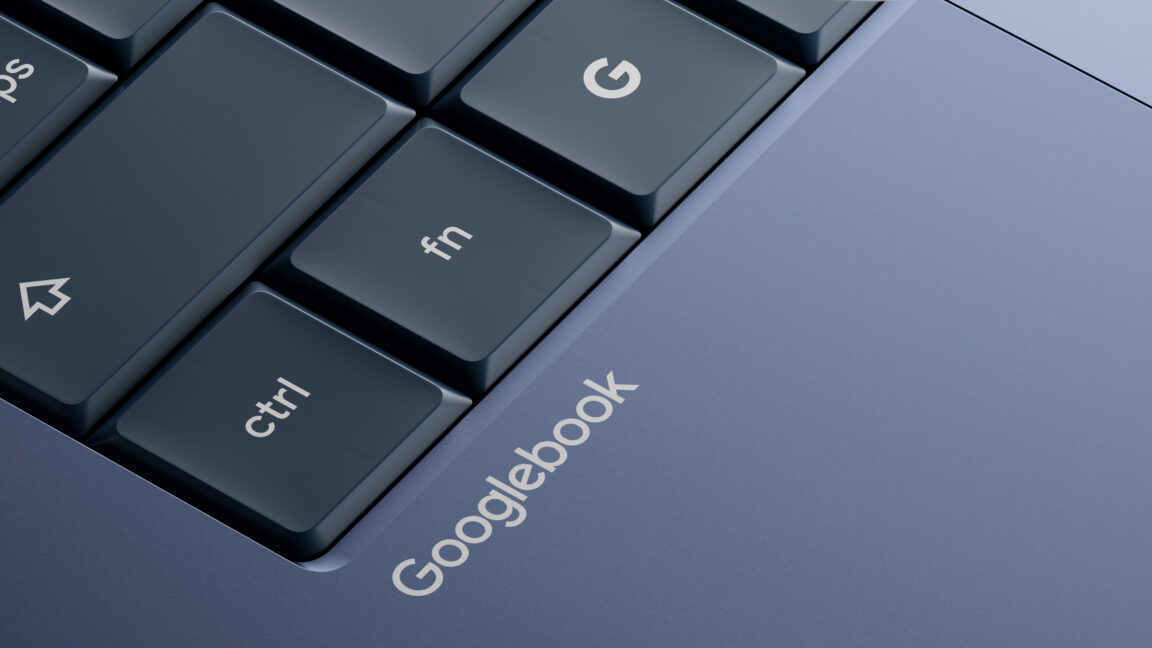
Google has announced a major change to its laptop lineup with the introduction of Googlebooks. These new devices will run on the Android operating system instead of the traditional ChromeOS used by Chromebooks. The shift marks a new era for Google hardware, focusing heavily on artificial intelligence and mobile app integration. The first Googlebooks are expected to start shipping to customers later this year.
Main Impact
The move to Googlebooks represents a fundamental change in how Google views personal computing. By using Android as the primary operating system, Google is bringing its massive library of mobile apps directly to the laptop screen in a more native way. This change is designed to make laptops feel more like powerful versions of our smartphones. The biggest impact will be felt in how users interact with their computers, as Google is placing its Gemini AI at the very center of the experience.
Key Details
What Happened
Google confirmed that it is moving away from its web-first approach for new high-end laptops. While Chromebooks have been popular for over a decade, the new Googlebooks will use Android to provide a more robust software experience. These laptops are built specifically to handle advanced AI tasks. The most talked-about feature is a new tool called the Magic Pointer. This allows users to activate the Gemini AI system simply by moving their cursor quickly on the screen. Once activated, the AI can see everything the user is working on and offer help or move data between different programs automatically.
Important Numbers and Facts
Google first entered the laptop market in 2011 with the Samsung Series 5 Chromebook. For 15 years, ChromeOS has been the standard for Google-powered computers, especially in schools and offices. However, the new Googlebooks will launch in late 2026, signaling a shift in priority. These devices will feature deep integration with Gemini, Google's most advanced AI model. The goal is to create a seamless link between the millions of apps available on the Play Store and the traditional laptop form factor.
Background and Context
To understand why this matters, we have to look at the history of Chromebooks. When they first arrived, they were designed to be simple and cheap. They mostly ran through a web browser, which made them great for students but sometimes difficult for professional creators who needed heavy software. Over time, Google added the ability to run Android apps on Chromebooks, but it often felt like two different systems trying to work together. By creating Googlebooks, Google is making Android the foundation. This means the laptop is no longer just a browser with some apps added on; it is a full Android machine built for a keyboard and mouse.
Public or Industry Reaction
The tech industry has had mixed reactions to this news. Many experts believe this is a necessary step for Google to compete with other AI-heavy computers from companies like Microsoft and Apple. Developers are generally excited because it will be easier to make their apps work well on laptops if the system is already based on Android. However, some long-time Chromebook users are worried about what this means for the simplicity of ChromeOS. Google has tried to calm these fears by stating that Chromebooks will still exist for those who want them, but it is clear that the most powerful new features will be saved for the Googlebook line.
What This Means Going Forward
Looking ahead, the success of Googlebooks will depend on how well Android works as a desktop system. Google needs to prove that a mobile operating system can handle professional work as well as Windows or macOS. The focus on Gemini AI suggests that Google wants to change the way we work entirely. Instead of searching for files or manually copying text, the AI is meant to do that work for us. If this works well, it could make Googlebooks the go-to choice for people who want a smart, fast, and highly connected computer. We can expect more details on specific hardware partners and pricing as the release date gets closer.
Final Take
Google is taking a bold risk by rebranding its laptop efforts and switching to Android. By putting AI at the forefront with features like the Magic Pointer, the company is trying to move past the "budget" image of its previous laptops. If Googlebooks can successfully blend the ease of a phone with the power of a computer, they might change the laptop market forever.
Frequently Asked Questions
What is the difference between a Chromebook and a Googlebook?
A Chromebook runs on ChromeOS, which is based on the Chrome web browser. A Googlebook runs on Android, which is the same system used on most non-Apple smartphones. Googlebooks are also built with a much stronger focus on built-in AI features.
When will Googlebooks be available to buy?
Google has stated that the first Googlebooks will begin shipping to customers later in 2026. Specific dates and prices have not been released yet, but more information is expected in the coming months.
Will my old Android apps work on a Googlebook?
Yes, because Googlebooks run on Android, they will have native support for apps from the Google Play Store. The system is designed to make these apps work better with a mouse and keyboard than they did on older Chromebooks.