

Summary
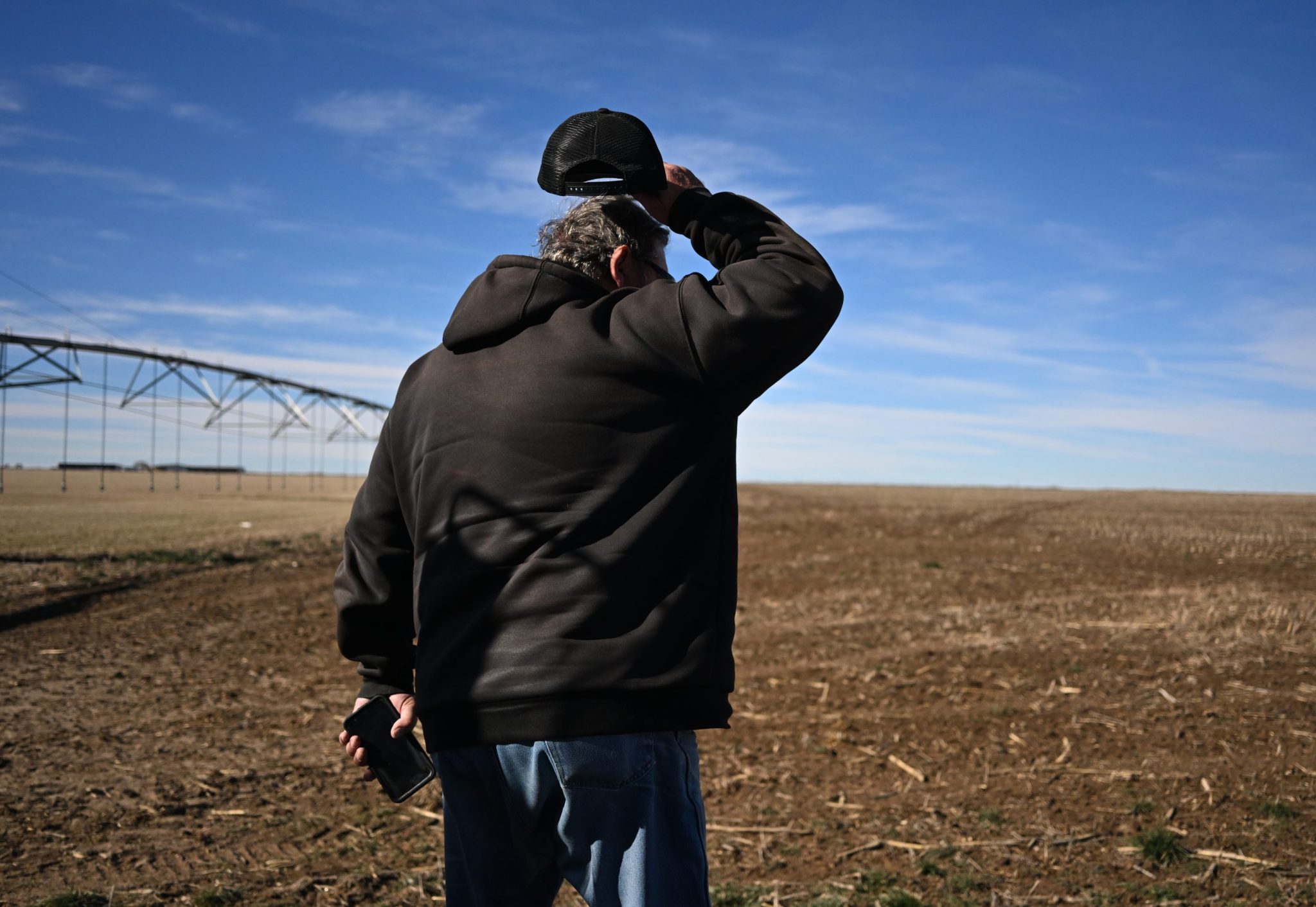
Farmers across the Great Plains are facing a severe drought that is putting the nation’s food supply at risk. The lack of rain is damaging winter wheat crops and making it difficult for cattle ranchers to keep their animals. Many producers are now forced to buy expensive feed or sell their livestock because there is not enough grass for them to eat. This weather crisis is happening at a critical time for the 2026 growing season, leaving many families worried about their future.
Main Impact
The primary impact of this drought is a double blow to the American agricultural economy. First, the winter wheat crop, which is used to make flour for bread and other foods, is in very poor condition across several states. Second, the cattle industry is shrinking. Because water and grass are disappearing, ranchers are selling off female cows that would normally be used to grow their herds. This keeps the total number of cattle in the U.S. at a 75-year low, which means beef prices for consumers will likely stay high for a long time.
Key Details
What Happened
The problem started with a very dry winter followed by an unusually warm spring. This combination sucked the moisture out of the soil. In late winter, a heatwave also helped spark massive wildfires across the region. These fires burned through fields used for grazing and destroyed the hay that farmers had saved to feed their animals. Now, as the wheat enters a stage where it needs water to grow grain, the ground is too dry to support it.
Important Numbers and Facts
The scale of the drought is massive. Nearly 90% of Nebraska and Oklahoma are currently under drought conditions. In Nebraska, more than half of the state is experiencing "extreme" drought. According to the U.S. Department of Agriculture (USDA), only 30% of the country's winter wheat is rated as being in good or excellent condition. This is one of the lowest ratings seen in years. In states like Texas, Oklahoma, Colorado, and Nebraska, about half of the wheat crop is rated as poor or very poor. Additionally, wildfires have already destroyed about 1 million acres of land used for hay and pasture.
Background and Context
The Great Plains is often called the "breadbasket" of the United States because it produces so much of the country's grain and meat. Agriculture in this region depends on a balance of snow in the winter and rain in the spring. Recently, a weather pattern called La Niña caused a dry winter with very little snow. Without that snow melting into the ground, the soil started the spring already thirsty. Meteorologists use a term called "evapotranspiration" to describe how water moves from the ground into the air. When it is unseasonably warm, this process happens faster, drying out the land even more quickly than usual.
Public or Industry Reaction
Farmers and lawmakers are expressing deep concern about the rising costs of staying in business. For example, U.S. Representative Frank Lucas from Oklahoma mentioned that he decided not to put fertilizer on his own wheat fields. He explained that without enough moisture in the ground, the fertilizer would not work, and the high cost made it a bad financial risk. Many ranchers are in a similar spot, choosing to sell their cattle for meat now rather than trying to raise them through a dry summer.
To help those who lost everything in the fires, groups like Farm Rescue are delivering donated hay to farmers in need. Cattle associations in Nebraska and Oklahoma have also started relief funds to help ranchers pay for new fences. Replacing a single mile of pasture fence can cost more than $10,000, which is a huge burden for a family farm already struggling with low crop yields.
What This Means Going Forward
The next few weeks will decide the fate of the 2026 harvest. If heavy rains do not arrive soon, much of the winter wheat crop may be lost entirely. While a new weather pattern called El Niño is expected to bring more rain later this year, it might arrive too late to save the current crops. For the cattle industry, the damage will take years to fix. It takes a long time to grow a herd of cattle, and every time a rancher sells a breeding cow to survive the drought, it pushes back the recovery of the national beef supply.
Final Take
The current drought is a reminder of how much the food system relies on steady weather. While modern farming tools are better than they used to be, they cannot replace the basic need for rain. Farmers in the Great Plains are resilient, but the combination of high costs, destructive fires, and dry soil is creating a situation that will be felt at grocery stores across the country. The survival of many family farms now depends on whether the clouds finally open up before the summer heat arrives.
Frequently Asked Questions
Why is the drought affecting beef prices?
When there is no grass or water, ranchers have to sell their cattle. This reduces the total number of cows in the country. With fewer cattle available, the cost of beef stays high for shoppers.
What is happening to the winter wheat crop?
Winter wheat needs moisture in the spring to grow grain. Because the soil is so dry, many plants are failing to mature. Some farmers are even letting their cattle eat the wheat plants because they don't think they will be able to harvest any grain.
Will the weather improve soon?
Forecasters hope that a change in weather patterns will bring rain by late summer. However, the outlook for the next few months suggests that temperatures will stay high and rainfall will remain low in many parts of the Great Plains.