

Summary
The Haryana State Pollution Control Board recently completed a major cleanup drive in the Narnaul area. During this campaign, officials collected about 225 kilograms of single-use plastic waste that was being used or sold illegally. Instead of throwing this waste into a landfill, the board sent it to a specialized waste-to-energy plant located in Murthal. This initiative aims to protect the environment by removing harmful materials from the streets and turning them into a useful resource like electricity.
Main Impact
The primary impact of this move is the dual benefit of waste management and energy production. By collecting single-use plastic, the government is reducing the amount of non-biodegradable material that ends up in the soil or water systems. Single-use plastics are known to cause long-term damage to the earth because they do not break down naturally. By transporting this waste to the Murthal plant, the authorities are ensuring that the plastic is disposed of in a way that follows strict environmental rules. This process not only cleans the city but also contributes to the local power grid, showing a smarter way to handle urban trash.
Key Details
What Happened
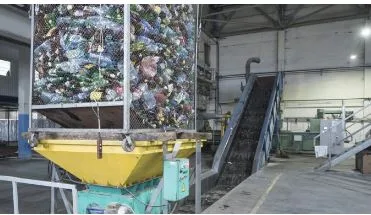
The Haryana State Pollution Control Board (HSPCB) organized a special campaign to enforce the ban on single-use plastics in Narnaul. Teams from the board inspected various locations to find banned items. After gathering a significant amount of waste, they arranged for its transportation to the Murthal waste-to-energy facility. At this plant, the plastic is processed using scientific methods to generate power. This method is much safer than open burning, which releases toxic fumes into the air. The project highlights a shift toward a circular economy where waste is seen as a raw material for something else.
Important Numbers and Facts
The campaign resulted in the collection of approximately 225 kilograms of plastic. This waste consisted mostly of items that are banned under current environmental laws, such as thin plastic bags, straws, and disposable cutlery. The Mahendragarh Regional Officer, Vijay Chaudhary, led the operation. The Murthal plant is one of the key facilities in the region capable of converting solid waste into electricity through controlled thermal processes. These figures represent just one part of a larger, ongoing effort to make the entire Mahendragarh district free of plastic pollution.
Background and Context
Single-use plastics have been a major concern for environmentalists for many years. These are plastic items that are used once and then thrown away. Because they are cheap and convenient, they are used in huge quantities. However, they clog drains, kill animals who mistake them for food, and pollute the groundwater. In India, the government has put strict bans on many types of single-use plastics to stop this damage.
Waste-to-energy technology is a relatively new way to solve two problems at once. In the past, trash was simply buried in the ground. Today, plants like the one in Murthal use high-tech furnaces to burn waste at very high temperatures. The heat produced is used to create steam, which then turns large turbines to generate electricity. This reduces the need for coal and keeps the environment cleaner.
Public or Industry Reaction
Local officials have been very vocal about the need for community involvement. Vijay Chaudhary, the Regional Officer, emphasized that the government cannot win the fight against pollution alone. He stated that while the board is conducting regular inspections and punishing those who break the law, the real change must come from the people. He urged residents to stop using plastic in their daily lives and to switch to eco-friendly alternatives like cloth bags or paper straws.
The reaction from the public has been a mix of support and a call for more alternatives. Many residents appreciate the cleaner streets, but some small shopkeepers have asked for more affordable options to replace plastic packaging. The board continues to spread awareness to help people understand why these changes are necessary for their own health and the health of the planet.
What This Means Going Forward
This successful collection drive is just the beginning of a long-term strategy. The Haryana State Pollution Control Board plans to continue these surprise inspections and collection campaigns. Businesses that continue to use or sell banned plastic items can expect to face heavy fines or legal action. The goal is to create a culture where plastic is no longer the default choice for consumers.
In the future, we may see more waste-to-energy plants being built across the state. If more cities can send their trash to these facilities, the reliance on landfills will drop significantly. This move also sets a standard for other districts to follow, proving that even a few hundred kilograms of waste can be put to good use if managed correctly.
Final Take
Turning plastic waste into electricity is a practical solution to a growing environmental crisis. By taking 225 kg of plastic off the streets of Narnaul and sending it to the Murthal plant, officials are proving that trash does not have to be a burden. With continued public support and strict enforcement of the law, the vision of a plastic-free Haryana is becoming more realistic every day.
Frequently Asked Questions
What is a waste-to-energy plant?
It is a facility that takes household or industrial waste and processes it to create electricity. This is usually done by burning the waste in a controlled environment to produce steam for power turbines.
Why is single-use plastic banned?
Single-use plastic is banned because it does not decay. It stays in the environment for hundreds of years, pollutes the ocean, harms wildlife, and can even enter the human food chain through microplastics.
How can citizens help reduce plastic pollution?
Citizens can help by carrying reusable bags made of cloth or jute, avoiding plastic straws and bottles, and ensuring that any waste they do produce is separated correctly for recycling.