
Summary
The United States government recently passed a major tax law called the One Big Beautiful Bill Act. This law was supposed to give Americans much larger tax refunds and help the economy grow. However, a new conflict with Iran has caused oil prices to jump significantly. Experts from major banks like Goldman Sachs and Morgan Stanley now say that these high gas prices have canceled out the extra money people received from their taxes. For many families, the cost of fuel is now higher than the financial help they got from the government.
Main Impact
The primary result of this situation is a total loss of the expected economic boost. While the government sent out bigger checks, those funds are being spent at the gas pump rather than on other goods and services. This shift has hurt the spending power of average Americans. Instead of the economy growing quickly, it is now facing a slowdown because people have less "extra" money than they thought they would. This impact is felt most by those who earn the least, as they spend a larger portion of their income on transportation.
Key Details
What Happened
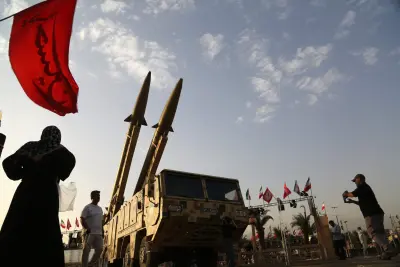
Early this year, the White House promised that tax refunds would be the largest in history. For a short time, this seemed to be coming true. Federal data showed that the average tax refund check was about $3,462, which is over 11% higher than last year. But on February 28, military actions involving U.S. and Israeli forces took place in Iran. This caused immediate chaos in the global oil market. Iran responded by closing a vital water route called the Strait of Hormuz, which stopped a large portion of the world's oil from moving to other countries.
Important Numbers and Facts
The numbers show a clear picture of the financial struggle. Before the conflict, gas prices were around $3.54 per gallon. By the middle of April, they rose to $4.11 per gallon. Oil prices reached over $120 per barrel. Goldman Sachs calculated that these higher gas prices are costing American households about $140 billion a year. This massive cost is almost double the $75 billion to $90 billion in total tax relief that the new law provided. Essentially, the war has taken more money away from families than the tax cuts put back in.
Background and Context
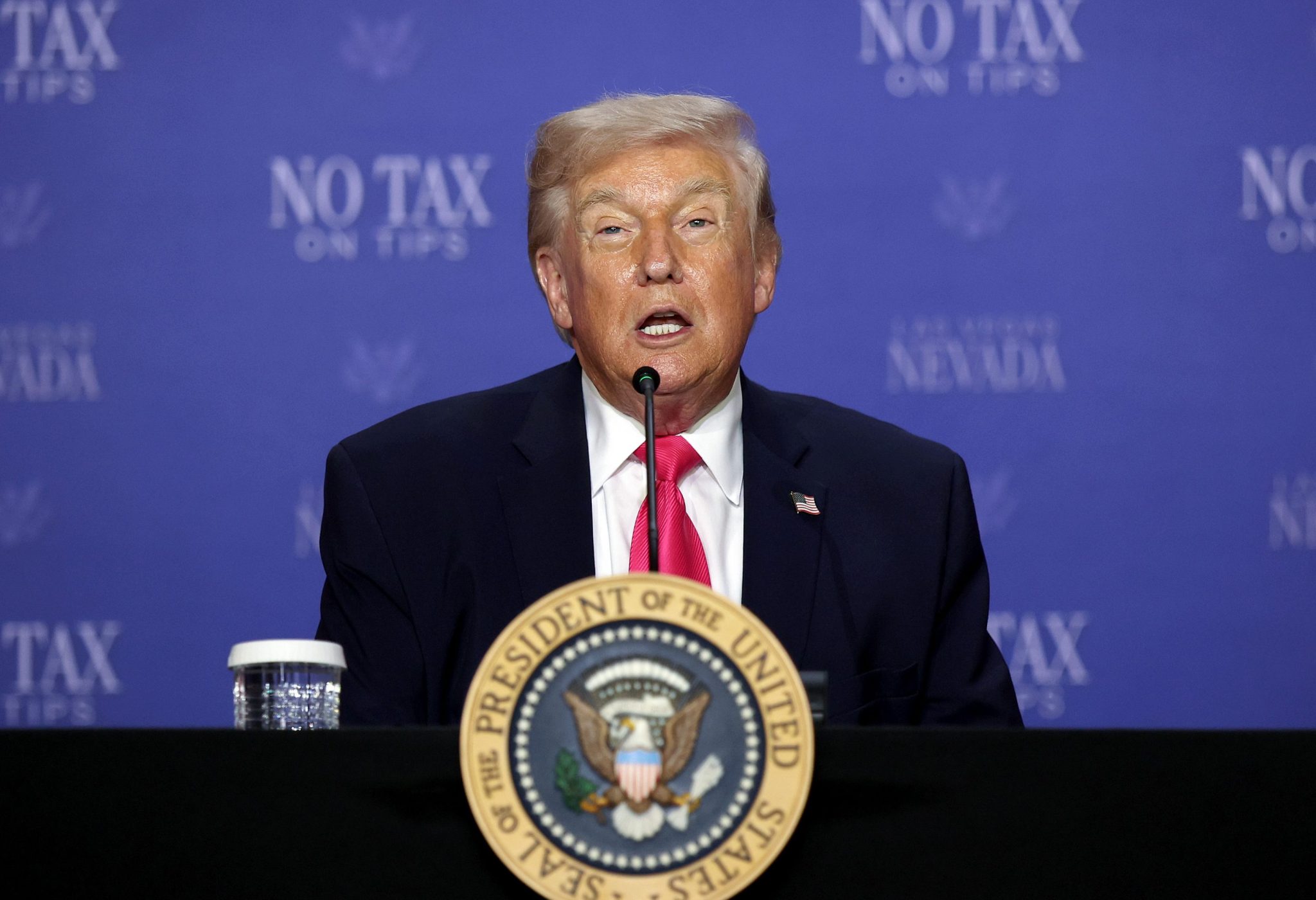
The tax law, known as the OBBBA, was designed to help families by removing taxes on tips and overtime pay. It also increased the money parents get for having children and gave seniors more deductions. The goal was to put cash into the hands of consumers so they would spend it and help businesses grow. At the same time, the Middle East remains the most important region for the world's energy supply. When conflict breaks out there, it almost always leads to higher prices for gasoline in the United States. This connection between foreign war and local prices is why the tax plan failed to reach its full potential.
Public or Industry Reaction
Wall Street experts have become much less optimistic about the U.S. economy. Analysts from Goldman Sachs and Morgan Stanley have both lowered their predictions for how much people will spend this year. They pointed out that a 15% rise in gas prices is enough to wipe out the average tax refund increase. Since prices have actually risen by nearly 40%, the situation is even worse than many feared. Industry leaders are also worried that the Strait of Hormuz may stay closed or dangerous for a long time, which would keep energy costs high for the foreseeable future.
What This Means Going Forward
Looking ahead, the U.S. economy may grow much slower than the government hoped. Goldman Sachs now expects the economy to grow at a rate of only 1.2%, which is lower than what most other experts predicted. If oil prices stay at $115 per barrel or higher, the situation could get even worse. The biggest risk is for low-income families. These households spend about four times more of their income on gas compared to wealthy families. This means the people who needed the tax refund the most are the ones being hit hardest by the rising costs of the war.
Final Take
The plan to boost the economy through large tax refunds has been defeated by the high costs of conflict. Even though the government kept its promise to send out bigger checks, the timing of the war in Iran turned those gains into losses for many citizens. For the average worker, the "biggest tax refund in history" has simply become a way to pay for more expensive gasoline. This shows how quickly international events can change the financial reality for people at home.
Frequently Asked Questions
Why didn't my larger tax refund help my budget?
While your refund check may have been bigger this year, the price of gasoline rose so much that it likely used up all the extra money. The cost of fuel increased faster than the tax benefits provided by the government.
How much did gas prices change because of the war?
Gas prices went from an average of $3.54 in early March to over $4.11 by mid-April. This was caused by oil prices jumping to $120 per barrel after the conflict in Iran began.
Who is being hurt the most by these economic changes?
Lower-income families are suffering the most. They spend a much higher percentage of their take-home pay on gasoline and basic needs, so the rise in fuel costs hits them harder than it hits wealthy households.