
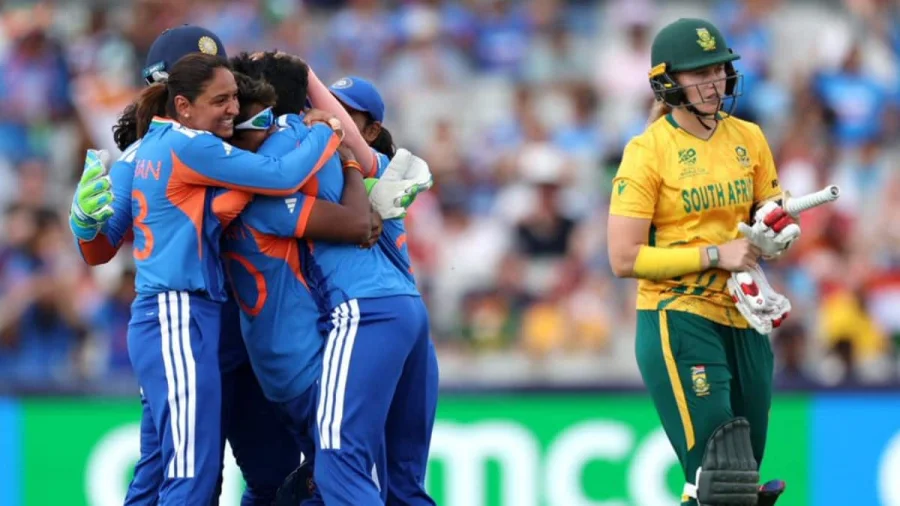

The International Cricket Council (ICC) has formally launched a comprehensive set of global directive initiatives designed to support female athletes returning to elite sport after giving birth. Unveiled during the ongoing international T20 World Cup, the progressive strategy establishes a standardised administrative template to safeguard player health across all full member nations.
What the ICC Return to Play Post-Pregnancy Guidelines Include
The guidelines outline a framework for boards to support players through pregnancy, childbirth and their return to elite cricket. According to ICC's official announcement, the 'Return to Play Post-Pregnancy Guidelines' are designed to create a unified approach across all cricket boards.
As part of the new set of policies, women cricketers will be entitled to yearlong paid maternity leave, in addition to the option of switching to alternative roles during their pregnancy journey, as reported by SportzWiki.
Jay Shah Backs Unified Support Systems
Issuing a formal organizational statement, governing body leader Jay Shah explained that international sporting career longevity must always align with fundamental personal care. The administrator emphasized that competing at the highest level should not come at the cost of a player's family life or health.
The ICC's initiative reflects cricket's evolving commitment to supporting female athletes through every stage of their careers, including motherhood. According to ICC's video announcement, the guidelines represent a significant step in supporting her through every stage of the cricketing journey.
What This Means for Women's Cricket
The guidelines establish a standardized administrative template that all full member nations must follow. This means that regardless of which country a female cricketer plays for, she will have access to the same level of support during pregnancy and after childbirth.
The move is being widely seen as a historic step for women's cricket. According to ICC's social media announcement, the International Cricket Council has launched a historic Return to Play Post-Pregnancy Guidelines for female cricketers.
Our Take: A Long-Overdue Step Forward
In our view, this is exactly the kind of structural change that women's sport has been waiting for. For too long, female athletes have had to choose between having a family and continuing their professional careers. The ICC's guidelines remove that impossible choice by creating a clear, standardized path for players to return to elite cricket after giving birth.
The inclusion of yearlong paid maternity leave and the option to switch to alternative roles shows that the ICC understands the real challenges female cricketers face. This is not just about policy — it is about sending a clear message that motherhood and elite sport can coexist. Other sports bodies should take note.