
Summary
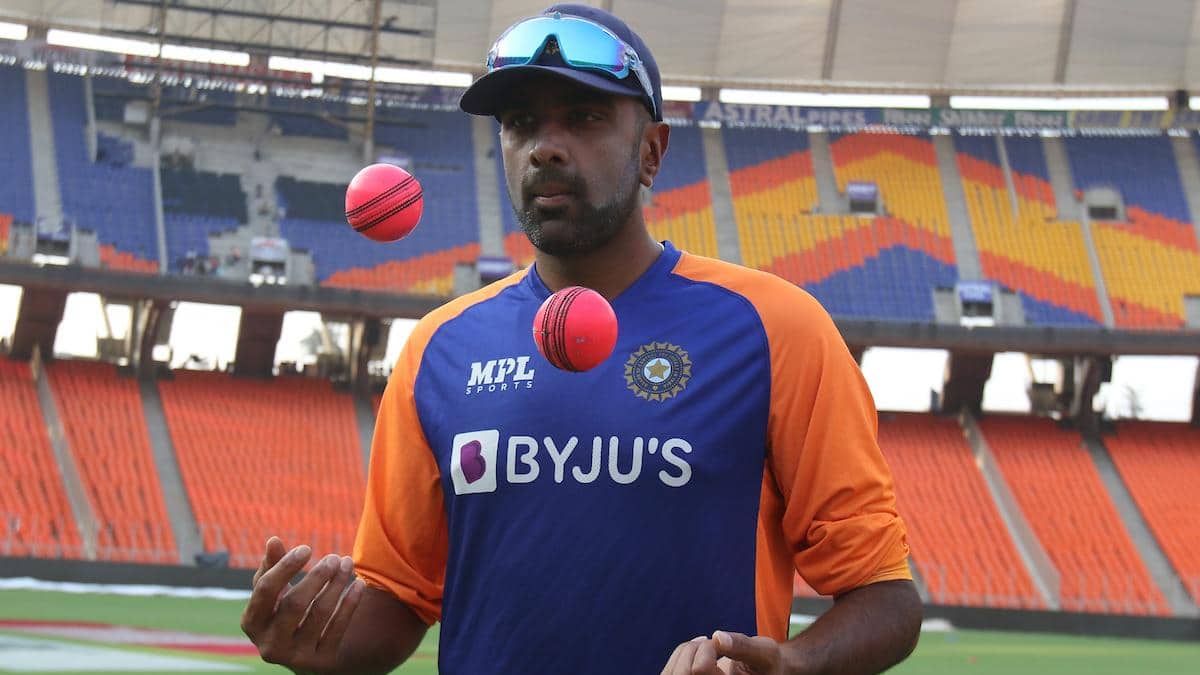
The International Cricket Council (ICC) has approved a new trial that could change how Test cricket is played. For the first time, match officials will be allowed to switch between red and pink balls during a single game. This experiment is designed to stop matches from being interrupted by poor lighting conditions. By using a more visible pink ball when the sun goes down, the ICC hopes to keep the game going and avoid early finishes that frustrate fans and players alike.
Main Impact
This decision marks a major shift in the history of five-day cricket. Traditionally, Test matches are played with a red leather ball, which becomes very hard to see as daylight fades. When the light gets too low, umpires often have to stop the game for safety reasons. This new rule aims to fix that problem by allowing a pink ball to take over when the red one is no longer safe to use. The biggest impact will be on the amount of cricket played each day, as it reduces the chance of losing valuable hours to "bad light" calls.
Key Details
What Happened
During a series of board meetings in Ahmedabad, the ICC gave the green light to this ball-switching trial. The goal is to find a practical way to handle weather and light issues without ending the day's play early. Under these new rules, if the natural light drops below a certain level, the umpires can bring out a pink ball. This ball is much easier to see under stadium floodlights, allowing the match to continue even in the late afternoon or early evening.
Important Numbers and Facts
The trial will not be forced on every team immediately. Instead, it relies on a "consent clause." This means both competing teams must agree to the experiment before the match starts. If one team says no, the game will follow the old rules. The ICC is also putting money into this project. They are co-funding research with the Marylebone Cricket Club (MCC) to study how stadium lights affect the game. This research will help create a standard for lighting at all major cricket grounds around the world.
Background and Context
Bad light has been a problem in cricket for over a hundred years. In the past, if the sky turned grey or the sun set too early, the players simply had to leave the field. This often happened even if the stadium had powerful lights, because the red ball does not show up well under artificial light. It can be dangerous for batsmen to face fast bowling if they cannot see the ball clearly. It is also hard for fielders to catch the ball in the dark. This led to many matches ending in draws or losing many overs of play, which made fans and television broadcasters unhappy.
The pink ball was originally created for "Day-Night" Test matches. These are special games where play starts in the afternoon and ends late at night. The pink ball was designed specifically to be seen under lights. By bringing the pink ball into regular Test matches during dark periods, the ICC is trying to use existing technology to solve an old problem.
Public or Industry Reaction
The reaction to this news has been a mix of excitement and curiosity. Many fans are happy because they want to see more cricket and fewer delays. People who buy tickets to watch a full day of play often feel cheated when the game stops early. Broadcasters are also supportive because they lose money when matches are not being played during peak viewing times. However, some cricket experts are cautious. They point out that the red ball and the pink ball behave differently. The pink ball often swings more or reacts differently off the pitch. This could give an advantage to certain bowlers at a specific time of day, which might change the balance of the game.
What This Means Going Forward
This trial is the first step toward a potential permanent rule change. In the coming months, we will see this experiment used in various international series. The ICC will collect data on how the ball performs and how players feel about the switch. If the trial is successful, it could become a standard part of all Test matches. Teams will need to change how they train, as players will now have to be ready to face two different types of balls in the same innings. Coaches will also have to think about new strategies for when the ball color changes.
Final Take
The move to allow both red and pink balls in a single match shows that cricket is trying to modernize. While tradition is important, the sport needs to make sure that matches are completed and that fans get to see the action they paid for. This experiment is a bold attempt to use technology to overcome the limits of nature. If it works, the days of players walking off the field because of a few clouds might finally be over.
Frequently Asked Questions
Why can't players just use the red ball under stadium lights?
The red ball is dark and does not reflect light well. Under artificial stadium lights, it becomes very difficult for players to track its movement, which can be dangerous for the batsmen and fielders.
Do both teams have to agree to use the pink ball?
Yes. The current trial requires both national team managements to give their formal consent before the match begins. If they do not agree, the match will proceed with only the red ball as usual.
Will the pink ball change the outcome of the game?
It is possible. The pink ball has different characteristics than the red ball, such as how much it swings or how long it stays hard. This is why the ICC is running a trial to see how it affects the fairness of the competition.