

Summary
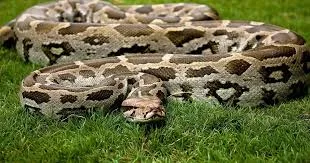
Authorities in the Kangra district of Himachal Pradesh have taken legal action against a man for illegally holding an Indian rock python. The man was caught using the protected snake during a religious event where he was dressed as a deity. A joint team of forest officials and police officers rescued the animal and arrested the individual following a tip-off from a wildlife activist. This case highlights the strict laws surrounding wildlife protection and the role of social media in reporting environmental crimes.
Main Impact
The primary impact of this incident is the reinforcement of India’s wildlife laws, which strictly forbid the private ownership or public display of certain animal species. By arresting the individual and rescuing the python, the Forest Department has sent a clear message that using wild animals for entertainment or religious performances is a serious crime. This event also shows how digital platforms like Instagram are now being used by activists to track and report illegal activities involving protected wildlife.
Key Details
What Happened
The incident began when Sahil Sharma, a wildlife rescuer and environmentalist based in Punjab, spotted a video on Instagram. In the video, a man identified as Rahul Sangotra was seen dressed as Lord Shiva at a religious function known as a "jagran." He had a large Indian rock python wrapped around his neck as part of his costume. The man reportedly used the name "Vansh" on his social media accounts.
After seeing the video, Sharma received information that the same man was planning to appear at another religious event in the Darang area of Kangra. Sharma traveled from Delhi to Himachal Pradesh to alert the local authorities. He met with the Palampur Divisional Forest Officer to plan a raid. A team consisting of forest guards and police officers from the Bhawarna Police Station went to the event venue. They found the man with the snake and immediately took him into custody while safely recovering the python.
Important Numbers and Facts
The Indian rock python is listed as a Schedule-I species under the Wildlife Protection Act of 1972. This is the highest level of protection given to animals in India, similar to the protection given to tigers and elephants. Because of this status, any person caught with the animal without a permit faces heavy fines and jail time.
The Forest Department noted that the man violated several parts of the law, specifically Sections 9, 39, 40, 44, 48A, 49B, 51, and 57. These rules cover the hunting, possession, and commercial use of protected species. However, there is currently a dispute regarding the official police report, as the FIR was only registered under Section 51, which deals with general penalties for breaking the act.
Background and Context
In many parts of India, snakes are often used in street performances or during specific religious festivals. While some people view this as a tradition, it is often harmful to the animals and is strictly illegal under national law. The Indian rock python is a non-venomous snake that can grow to a very large size. Despite its strength, it is a shy animal that can become highly stressed when handled by humans in loud, crowded environments like a religious gathering.
The Wildlife Protection Act was created to stop the decline of native species and to prevent the illegal trade of animal parts. Schedule-I animals are considered the most vulnerable, and the law is designed to ensure they remain in their natural habitats rather than being used as props or pets.
Public or Industry Reaction
The reaction to the arrest has been mixed. While wildlife supporters have praised the quick action of the Forest Department, the whistleblower, Sahil Sharma, has expressed some disappointment. He believes the police did not take the matter seriously enough. According to Sharma, by only using one section of the law in the official police report, the authorities have made the crime seem less severe than it actually is. He argued that all the violations mentioned by the forest officers should have been included to ensure the accused faces the full weight of the law.
What This Means Going Forward
Moving forward, this case may lead to more frequent monitoring of social media by environmental groups and government agencies. As more people post videos of themselves with exotic or protected animals, it becomes easier for authorities to find and stop illegal activity. There may also be a push for better training for local police officers to ensure they understand the different sections of the Wildlife Protection Act so that legal documents are filled out correctly.
For the public, this serves as a reminder that owning or displaying wild animals is not just a social issue but a legal one. People attending or organizing events must be careful not to include protected wildlife in their programs, as they could face arrest and legal trouble.
Final Take
Protecting wildlife requires a combination of strict law enforcement and public awareness. While traditions and celebrations are important, they should never come at the cost of an animal's safety or freedom. The rescue of the python in Kangra is a success for conservation, but the legal debate that followed shows there is still work to be done in how these crimes are handled by the justice system.
Frequently Asked Questions
Is it legal to keep a python as a pet in India?
No, it is illegal to keep an Indian rock python as a pet. It is a protected species under the Wildlife Protection Act, and having one without a special government permit can lead to arrest and imprisonment.
What should I do if I see someone displaying a wild animal?
If you see a protected animal being used for entertainment or kept in poor conditions, you should contact your local Forest Department or the police. You can also report the incident to wildlife NGOs.
Why is the Indian rock python protected?
The Indian rock python is protected because its population has declined due to habitat loss and illegal hunting. It plays a vital role in the environment by controlling the population of rodents and other small animals.