

Iran's president and central bank chief have told Supreme Leader Ayatollah Mojtaba Khamenei that the U.S. naval blockade was crushing the economy, according to a report from the New York Times. The admission comes as former President Donald Trump considers reimposing the blockade.
Iranian officials warn of economic collapse under U.S. blockade
According to The New York Times, senior Iranian officials said President Masoud Pezeshkian approached Khamenei and told him economic conditions were dire. The central bank chief also sent a message to the supreme leader warning that the U.S. naval blockade was crippling the economy.
The report reveals that Pezeshkian, who is among the pragmatists in the Iranian government, told Khamenei he would resign if a deal to reopen the Strait of Hormuz was not approved.
Internal split in Iran over whether to sign deal
As the regime weighed whether to sign the memorandum of understanding to reopen the Strait of Hormuz and extend the ceasefire, officials were split. Pragmatists favored an agreement, while hardliners wanted to keep fighting. Meanwhile, the supreme leader was hesitating on the decision.
"President Masoud Pezeshkian, who is among the pragmatists, approached Khamenei and told him economic conditions were dire, the U.S. naval blockade was crippling, and that he would resign if the deal wasn't approved." — The New York Times, citing senior Iranian officials
Trump eyes reimposing the naval blockade
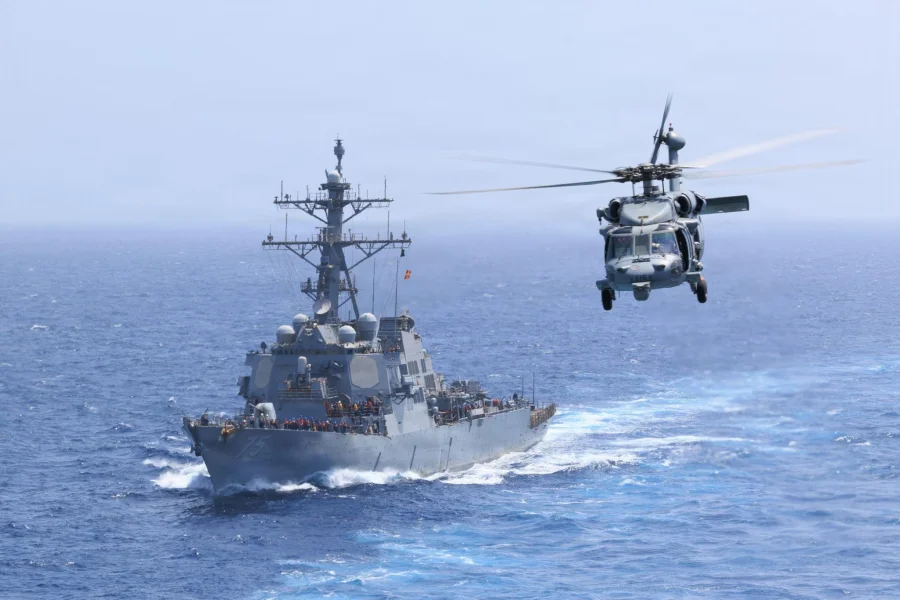
The report comes as Trump considers reimposing the naval blockade on Iran. The blockade had been a key part of the U.S. strategy to pressure Iran over its nuclear program and regional activities.
Our Take: A sign of deep economic trouble in Iran
This report shows just how much pressure the U.S. naval blockade has put on Iran's economy. When the president and the central bank chief both go directly to the supreme leader to say the economy is on the ropes, it is a clear sign of serious trouble. The fact that Pezeshkian threatened to resign if the deal was not approved shows how urgent the situation is for pragmatists in the government.
But the hardliners in Iran still want to keep fighting, and the supreme leader is hesitating. This internal split could delay any agreement, even as the economy suffers. For the U.S., this report suggests that the naval blockade has been an effective tool of pressure. If Trump reimposes it, Iran's leaders will face even more difficult choices.
To put it plainly, this is a moment of high tension in Iran. The economy is hurting, the leadership is divided, and the supreme leader has to decide whether to make a deal or keep fighting. The outcome will affect not just Iran, but the entire region.