
Summary
The Ken-Betwa Link Project (KBLP) is a massive plan to connect two rivers in central India. While the government claims it will solve water shortages and provide clean energy, environmental experts are raising serious alarms. Himanshu Thakkar, a leading water expert, argues that the project is based on flawed data and lacks valid environmental clearances. He warns that the plan will destroy vital forests and wildlife habitats without actually helping the people it claims to serve.
Main Impact
The project is expected to have a devastating effect on the environment and local ecosystems. It involves cutting down millions of trees and submerging a large part of the Panna Tiger Reserve. Beyond the loss of wildlife, critics say the project fails to address the real water needs of the Bundelkhand region. Instead of keeping water where it is needed most, the plan may actually move water away from drought-prone areas to satisfy other regions, potentially making the local water crisis worse.
Key Details
What Happened
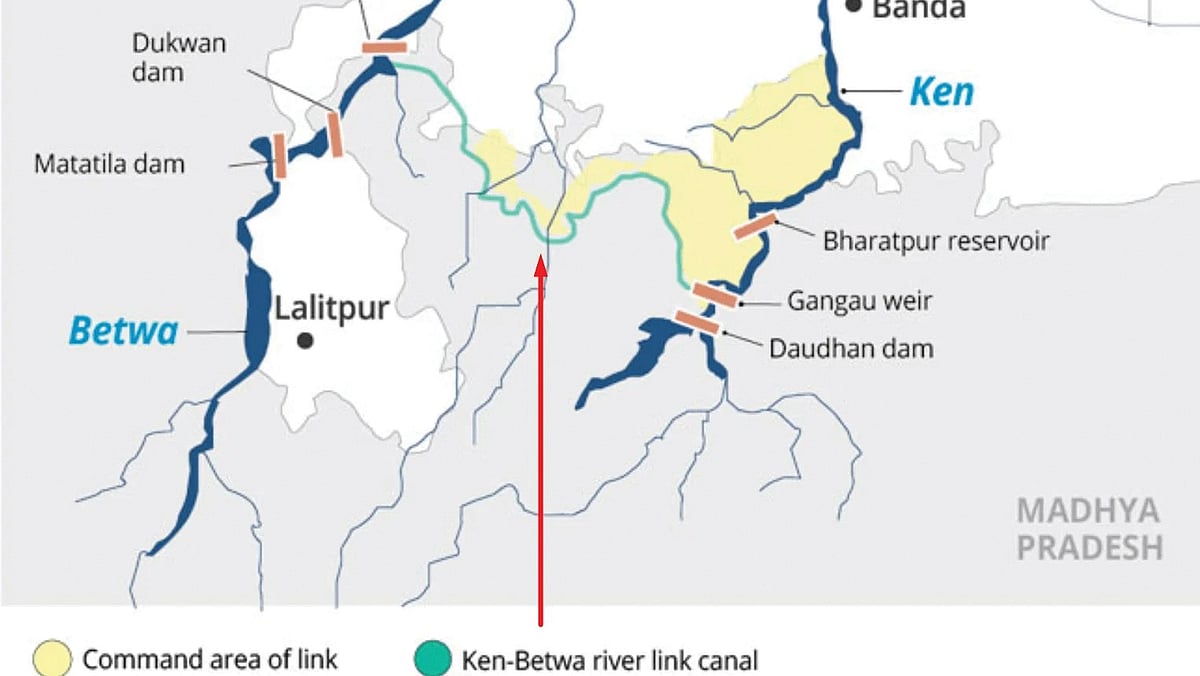
The Indian government has moved forward with the Ken-Betwa Link Project, which aims to divert water from the Ken River in Madhya Pradesh to the Betwa River in Uttar Pradesh. Prime Minister Narendra Modi laid the foundation for the project in late 2024. However, experts point out that the project received environmental clearances only after intense political pressure. Many of the conditions set by wildlife and forest committees, such as removing power plants from protected areas, have reportedly been ignored. Furthermore, the technical data used to prove that one river has "extra" water has never been shared with the public for review.
Important Numbers and Facts
The scale of the project is enormous and carries a high price tag. The estimated cost is around Rs 45,000 crore. To build the dam and the connecting canal, officials expect to cut down approximately 4.6 million trees. The project will submerge over 6,000 hectares of forest land within the Panna Tiger Reserve. While the government claims the project will irrigate over 1 million hectares of land and provide drinking water to 6.2 million people, these figures are heavily disputed by independent researchers who say the benefits are exaggerated.
Background and Context
For decades, India has looked at inter-linking rivers as a way to solve droughts and floods. The idea is to take water from "surplus" rivers and move it to "deficit" rivers. However, many scientists argue this concept is outdated. They explain that no river truly has "wasted" water, as every drop that reaches the sea helps maintain healthy coastlines and fish populations. In the past 50 years, most of the water India used for growth came from the ground, not from big dams. By focusing only on massive engineering projects, the country has neglected local ponds, tanks, and forests that naturally refill groundwater levels.
Public or Industry Reaction
The reaction from environmentalists and local groups has been strongly negative. The Central Empowered Committee, appointed by the Supreme Court, previously spoke out against the project, calling the claims of water surplus "false." Foresters have warned that destroying such a large forest area will change the local climate and reduce rainfall. Many activists believe the project is being treated like a political tool rather than a scientific solution. They argue that if the government spent even a fraction of the Rs 45,000 crore on local rainwater harvesting, the water problems of Bundelkhand could be solved much faster and without destroying nature.
What This Means Going Forward
If the project continues as planned, the Panna Tiger Reserve could lose the very features that make it a world-class wildlife site. Rare animals like the gharial and various vultures will lose their homes. There is also a risk that the project will fail to deliver the promised water, leaving the region with a massive debt and a ruined environment. Moving forward, experts suggest a shift in water policy. Instead of building giant dams, the focus should be on "water budgeting" and community-led management. This means teaching local people how to save rainwater and choose crops that do not use too much water.
Final Take
The Ken-Betwa project represents an old way of thinking that prioritizes big construction over ecological health. True water security does not come from moving rivers across hundreds of miles; it comes from protecting the forests and local water systems we already have. Without a rethink, this project may stand as a costly reminder of what happens when political goals override scientific common sense.
Frequently Asked Questions
What is the Ken-Betwa Link Project?
It is a government project designed to connect the Ken and Betwa rivers using a dam and a canal to move water from Madhya Pradesh to Uttar Pradesh.
Why are environmentalists worried about the Panna Tiger Reserve?
The project will flood thousands of hectares of the reserve, destroying the habitat of tigers, leopards, and rare aquatic animals like the gharial.
Is there a better way to solve the water crisis?
Yes, experts suggest that local rainwater harvesting, restoring old tanks, and better groundwater management are cheaper and more effective ways to provide water without harming the environment.