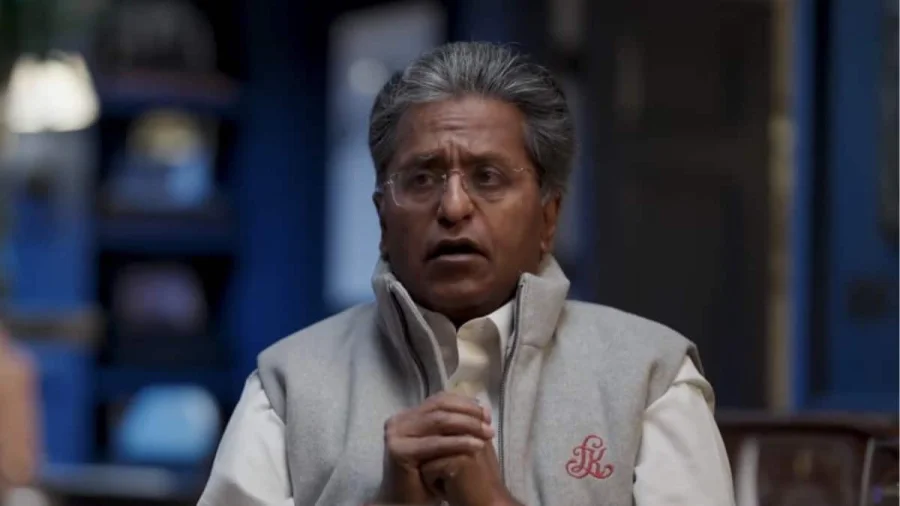

Former Indian Premier League chairman Lalit Modi has been cleared in the principal proceedings arising from the 2009 IPL's staging in South Africa. The Appellate Tribunal under SAFEMA set aside the penalties imposed on him, rejecting the Enforcement Directorate's core case that the foreign remittances were capital account transactions.
What the Tribunal Ruled in the IPL South Africa Case
The tribunal found that the main remittances related to IPL 2009 were current account transactions, not capital account transactions as alleged by the Enforcement Directorate. This distinction was central to the case, as capital account transactions face stricter regulations under India's foreign exchange laws.
According to the original story, the tribunal also determined that Modi was not responsible for the Board of Control for Cricket in India's statutory FEMA compliance. It further found that he was not given the financial authority as alleged by the Enforcement Directorate.
16 Years of Legal Proceedings Come to an End
Announcing the verdict after more than 16 years of investigations, proceedings, and litigation, Modi said the tribunal's decision marked the end of the largest legal battle he had faced. The case had been a long-running dispute over the financial arrangements made to move the 2009 IPL season to South Africa on short notice.
The Enforcement Directorate had pursued the case arguing that the foreign remittances made during the relocation of the tournament violated India's foreign exchange laws. However, the tribunal's ruling has now rejected that position entirely.
Our Take: A Long-Awaited Verdict That Clarifies Legal Boundaries
In our view, this ruling is significant not just for Lalit Modi but for how India's foreign exchange laws are interpreted in commercial sports transactions. The tribunal's clear distinction between current account and capital account transactions provides important legal clarity. The fact that it took over 16 years to reach this conclusion also raises questions about the efficiency of such investigations. For now, this verdict closes a chapter that has hung over Indian cricket's most controversial figure for more than a decade and a half.