

Summary
Health experts are warning of a sharp rise in liver problems, with data showing that two out of every five adults in India now suffer from liver disease. This trend is part of a global health crisis where liver disease cases have jumped by more than 140% since 1990. Most of these cases are linked to lifestyle factors like obesity, high blood sugar, and poor diet. Doctors emphasize that while the numbers are high, most liver conditions are preventable through simple daily habits and regular health checks.
Main Impact
The growing number of people with liver issues is putting a massive strain on the healthcare system. Metabolic-dysfunction associated steatotic liver disease, or MASLD, has become a leading reason why people need liver transplants. This shift shows that liver health is no longer just about avoiding infections or heavy drinking. It is now closely tied to how we eat and how much we move. Because so many people are living with undiagnosed liver fat, the risk of long-term organ damage is increasing across all age groups.
Key Details
What Happened
On the eve of World Liver Day, experts from the Post Graduate Institute of Medical Education and Research (PGIMER) shared concerning data about liver health. They highlighted that the theme for this year is "Solid Habits, Strong Liver." The goal is to teach the public that the liver is a resilient organ, but it needs specific care to function well. Professors from the Department of Hepatology explained that modern living—marked by sitting too much and eating processed foods—is the primary cause of the current health spike.
Important Numbers and Facts
The scale of the problem is visible in the latest statistics provided by medical professionals:
- More than 1.5 billion people across the globe have chronic liver disease.
- In India, 40% of adults have underlying liver issues related to metabolic dysfunction.
- Fatty liver disease is found in 50% to 60% of people with type 2 diabetes.
- Almost every person struggling with obesity has some level of fatty liver.
- A liver is considered "fatty" when fat makes up 5% to 10% of the organ's total weight.
Background and Context
The liver is one of the hardest-working organs in the human body. It acts as a filter to remove toxins, helps the body digest food, and manages how we use energy. When a person eats more fat and sugar than the body can process, that extra energy is stored in liver cells. Over time, this buildup causes inflammation and scarring. In the past, liver disease was mostly linked to viral infections like Hepatitis. Today, while those infections are still a problem, the main drivers are high blood pressure, high cholesterol, and weight gain.
Public or Industry Reaction
Medical experts are calling for a shift in how we view nutrition and exercise. Prof Sunil Taneja from PGIMER noted that physical activity should not be seen as a chore but as a foundation for staying alive. Doctors in Chandigarh and nearby regions are seeing a high burden of both alcohol-related damage and lifestyle-related fat buildup. The medical community is pushing for more regular screenings, as liver disease often has no symptoms until it reaches a dangerous stage. They suggest that small, daily changes are more effective than sudden, extreme diets.
What This Means Going Forward
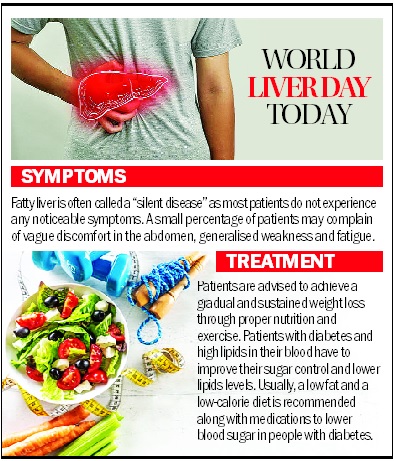
To turn these numbers around, experts recommend four "solid habits." First, people must eat a balanced diet full of fruits, vegetables, and lean proteins while avoiding saturated fats. Second, regular physical activity is essential. The recommendation is at least 150 minutes of exercise per week, which can include walking, swimming, or even dancing. Third, reducing or stopping alcohol intake is vital to prevent scarring. Finally, regular check-ups can help catch fat buildup early. If these habits are adopted, the liver can often repair itself and function normally again.
Final Take
Liver health is a direct reflection of our daily choices. With two in five adults already affected, it is clear that metabolic health must become a priority. By focusing on movement and better food choices, most people can avoid the serious risks of liver failure and the need for surgery. Protecting the liver is not about complex medical treatments; it is about staying active and giving the body the right fuel to keep its internal filter clean.
Frequently Asked Questions
What is the main cause of fatty liver disease?
The most common cause is obesity. When the body takes in more fat and sugar than it can use, the excess is stored in the liver. Other factors include high blood sugar and high blood pressure.
How much exercise do I need to keep my liver healthy?
Experts recommend at least 150 minutes of physical activity every week. This can be broken down into 30 minutes a day for five days. Activities like brisk walking, cycling, or weight lifting are all helpful.
Can fatty liver disease be reversed?
Yes, in many cases, fatty liver can be reversed through a healthy lifestyle. Losing weight gradually, eating a high-fiber diet, and avoiding alcohol can help the liver shed excess fat and heal.