
Summary
A 40-year-old man in South Korea has been arrested for using artificial intelligence to create a fake photo of an escaped wolf. The wolf, a two-year-old named Neukgu, had fled from a zoo in Daejeon, leading to a massive search by local authorities. The fake image caused confusion and sent search teams in the wrong direction during a high-stakes rescue mission. The man now faces up to five years in prison for interfering with an official police investigation.
Main Impact
The primary impact of this incident is the serious legal trouble for the man who created the fake image. Authorities are treating the case as a major crime because it wasted public resources and put the animal's life at risk. By posting a realistic but fake photo, the suspect forced police and rescue teams to focus on the wrong area. This delayed the actual search for Neukgu, who is considered a very important animal for the country's environment.
This case also sets a strong example for how the law will handle AI-generated lies in the future. It shows that using technology to spread false information during an emergency is not a harmless prank. The government is making it clear that anyone who uses digital tools to trick the public or the police will face harsh punishments. This is one of the first major cases where AI-generated content has led to such a serious criminal charge in the region.
Key Details
What Happened
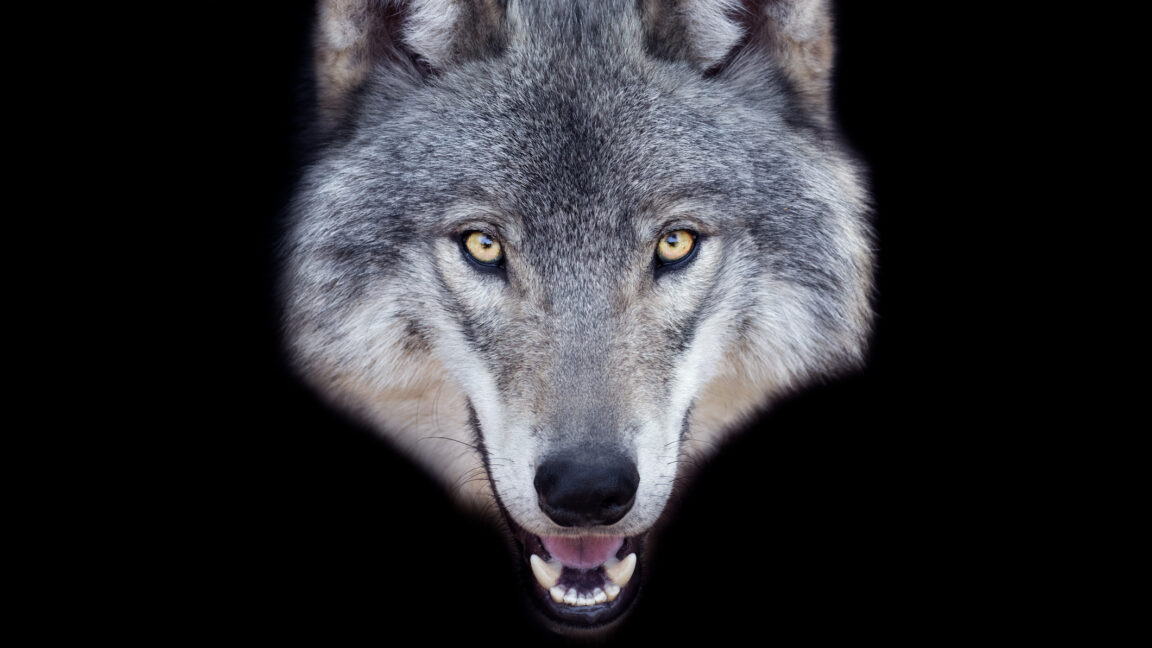
The situation began when Neukgu the wolf managed to escape his enclosure at a zoo in Daejeon. He did this by digging a hole under a fence. As soon as the zoo realized he was gone, they called the police and local government for help. Because wolves can be dangerous to people and are also at risk themselves in a city, the search was treated as an emergency. While the search was happening, the suspect used an AI program to make a photo that looked like a real sighting of the wolf. He shared this photo online, claiming he had seen the animal in a specific spot.
Important Numbers and Facts
Neukgu is a two-year-old wolf and a third-generation descendant of a special breeding line. Native wolves in South Korea have been extinct in the wild since the 1960s. This makes Neukgu part of a very small and precious group of animals. The suspect is a 40-year-old male whose identity has not been fully released. If found guilty of obstructing an investigation, he could spend five years in a jail cell. The search involved dozens of officers and specialized equipment to track the animal safely.
Background and Context
To understand why this was such a big deal, it is important to know the history of wolves in South Korea. For a long time, there were no wolves left in the wild because of hunting and the loss of their natural homes. For many years, scientists and the government have worked hard to bring them back. They use breeding programs in zoos to raise wolves that could one day live in nature again. Neukgu is a key part of this plan.
When he escaped, it was not just a safety issue for the people living nearby. It was also a crisis for the scientists who have spent years protecting these animals. If Neukgu had been hurt or killed while he was loose, it would have been a huge setback for the entire project to restore the wolf population. This is why the search was so intense and why the fake photo caused so much anger.
Public or Industry Reaction
The public reaction was a mix of worry and anger. Many people followed the news closely, hoping the wolf would be found safe. Animal rights groups were especially vocal, asking the police not to use guns or harm the wolf during the capture. Even the President of South Korea, Lee Jae Myung, spoke about the event. He told the public that the rescue teams were doing everything they could to bring Neukgu back without hurting him.
Once the news came out that the sighting was fake, people were furious. Many felt that the man who made the image was being selfish and reckless. Social media users pointed out that his "joke" could have led to the wolf being killed if the police had reacted differently to the false information. Experts in technology also weighed in, saying this shows how dangerous AI can be when it is used to create fake news during a crisis.
What This Means Going Forward
Moving forward, this event will likely lead to new rules about AI and social media. Governments are seeing that they cannot just rely on people to be honest online. There may be a push for better tools to detect fake images quickly so that police do not waste time on false leads. It also means that the public will need to be more skeptical of photos they see on the internet, even if they look very real.
For the legal system, this case will be a test. Lawyers will look at how to prove that an AI image was intended to cause harm or disrupt the law. It could lead to specific laws that target "digital obstruction." As for Neukgu, he is back at the zoo, but his escape has changed how the country thinks about the intersection of nature and technology.
Final Take
The arrest of this man sends a loud message: the digital world has real consequences. While AI can be a fun tool for creativity, using it to lie during a public emergency is a crime. Protecting rare animals and keeping the public safe are serious tasks, and the law will not tolerate anyone who tries to get in the way of that work for their own amusement.
Frequently Asked Questions
Why is the wolf Neukgu so important?
Neukgu is part of a special project to bring back wolves to South Korea. Since wild wolves went extinct in the 1960s, he is a rare and valuable animal for the country's conservation efforts.
What crime did the man commit?
The man was arrested for obstructing an official investigation. By using AI to create a fake sighting, he misled the police and wasted emergency resources during a critical search.
What could happen to the man now?
He faces a potential prison sentence of up to five years. The court will decide his final punishment based on how much his actions interfered with the police search and the safety of the public.