
Summary
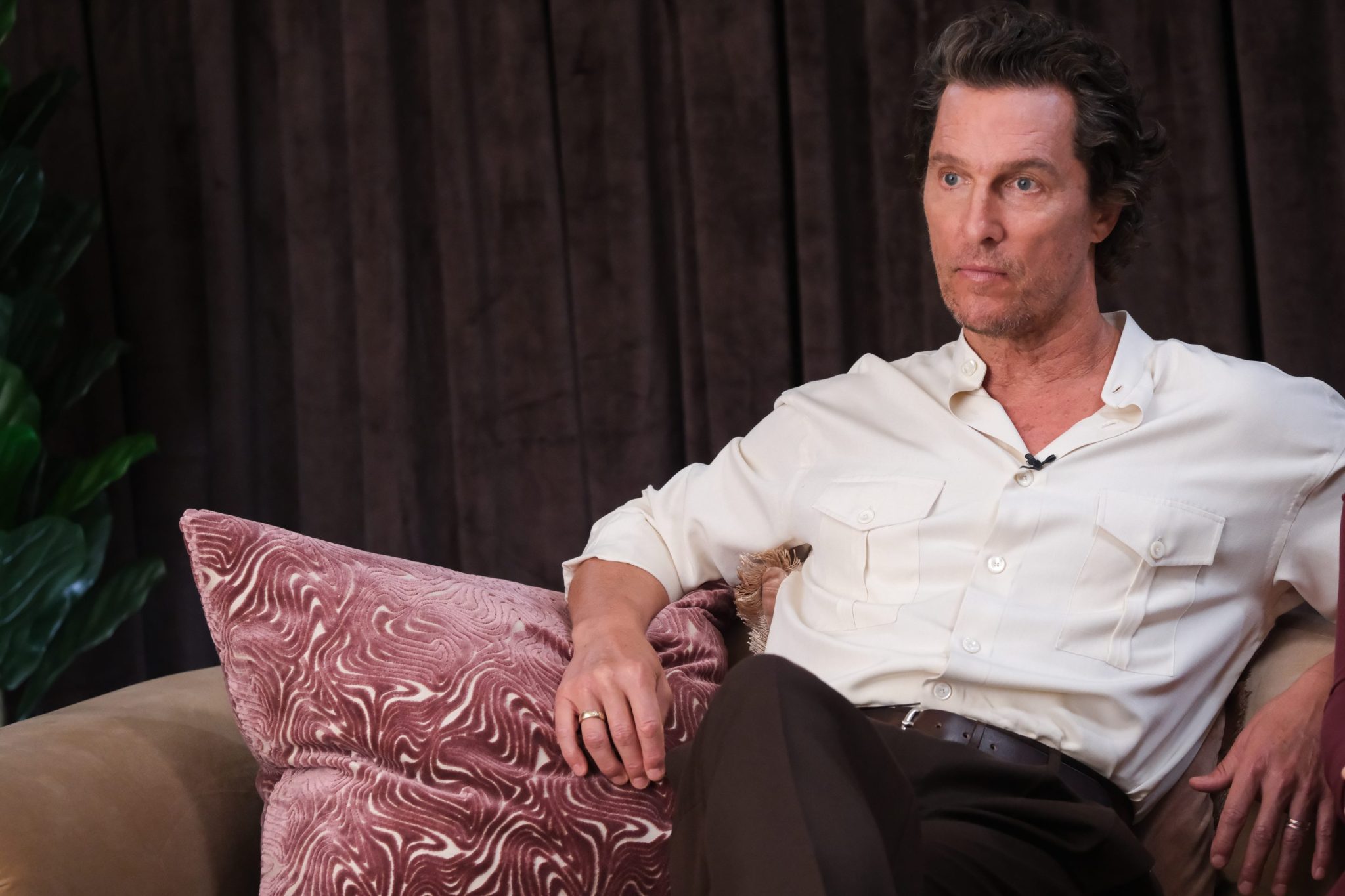
Famous actor Matthew McConaughey is warning artists that artificial intelligence is no longer a future threat but a current reality. During a recent public talk, he urged creators to take legal steps to own their voices and images before others can use them without permission. McConaughey has already taken action by trademarking his own likeness and famous catchphrases to protect his career from AI misuse. This move highlights a growing trend where celebrities are fighting to keep control over their digital identities as technology advances.
Main Impact
The biggest impact of McConaughey’s message is the shift from talking about the ethics of AI to taking legal action. For a long time, actors and artists have argued that using AI to copy a person is morally wrong. However, McConaughey argues that moral arguments are not enough to stop the technology. By trademarking himself, he is showing other artists how to build a legal wall around their work. This forces AI companies to ask for permission and pay for use, rather than just taking what they want from the internet.
Key Details
What Happened
During a CNN town hall event, a student from the University of Texas asked Matthew McConaughey about the future of AI in the acting world. McConaughey gave a serious response, telling the audience that AI is already here and cannot be ignored. He sat alongside fellow actor Timothée Chalamet and explained that artists must "own themselves." He believes that if you do not legally own your voice and face, someone else will eventually use them for free.
Important Numbers and Facts
To protect his brand, McConaughey has secured several trademarks. These legal protections cover his physical image and his signature phrases, such as his well-known line, "alright, alright, alright." This is not just a small trend; some digital creators are making massive deals to protect their likeness. For example, TikTok star Khaby Lame has been involved in deals worth nearly a billion dollars to manage how his image is used. Additionally, platforms like YouTube are now creating tools to detect when someone’s face or voice is being used in a "deepfake" video without their consent.
Background and Context
The movie industry is changing very fast because of new technology. In recent years, we have seen movies use AI to make older actors look young again. We have also seen computers create voices that sound exactly like real people and can speak many different languages. While this technology can be used for fun or creative reasons, it also creates a big problem. If a computer can make a movie starring a famous actor without that actor ever showing up to work, the actor loses their job and their income. The legal rules for this are still very new and confusing, which is why stars are starting to take matters into their own hands.
Public or Industry Reaction
Other actors are also speaking out about these changes. Timothée Chalamet shared his thoughts during the same event, noting that there is a "dual responsibility" in Hollywood. He believes that famous stars who already have power must help protect the rights of human workers. At the same time, he thinks the younger generation will be the ones to decide how AI fits into the creative world. Chalamet mentioned that he wants to help young creators use new tools to make art, but he is also very protective of the hard work that real actors and artists do.
What This Means Going Forward
In the next few years, we will likely see more celebrities filing for trademarks and copyrights on their own bodies and voices. McConaughey even predicted that in five to ten years, major award shows might have a special category for "Best AI Actor." This shows that the industry is preparing for a world where human actors and digital actors work side by side. For now, the goal for most artists is to ensure they have "agency." This means they want the power to say "yes" or "no" when a company wants to use their digital twin. If a company uses an artist's likeness without asking, these new legal protections will make it easier to sue or demand payment.
Final Take
Matthew McConaughey’s move to trademark himself is a wake-up call for everyone in the creative arts. It shows that being a successful artist today requires more than just talent; it requires a strong legal strategy. As technology makes it easier to copy human expression, the only way to stay in control is to treat your own identity as a business asset. By "owning himself," McConaughey is setting a standard for how artists can survive and thrive in an age where machines can mimic almost anything.
Frequently Asked Questions
Why did Matthew McConaughey trademark his catchphrase?
He trademarked "alright, alright, alright" to prevent AI companies from using his famous voice and signature lines without his permission or payment.
What does it mean for an artist to "own themselves"?
It means taking legal steps, like filing trademarks, to ensure that your voice, face, and personal brand cannot be used by others to create digital copies or AI content without a contract.
Will AI actors win Oscars in the future?
While it hasn't happened yet, Matthew McConaughey suggested that award shows might create a separate category for AI actors within the next five to ten years as the technology becomes more common in movies.