

Summary
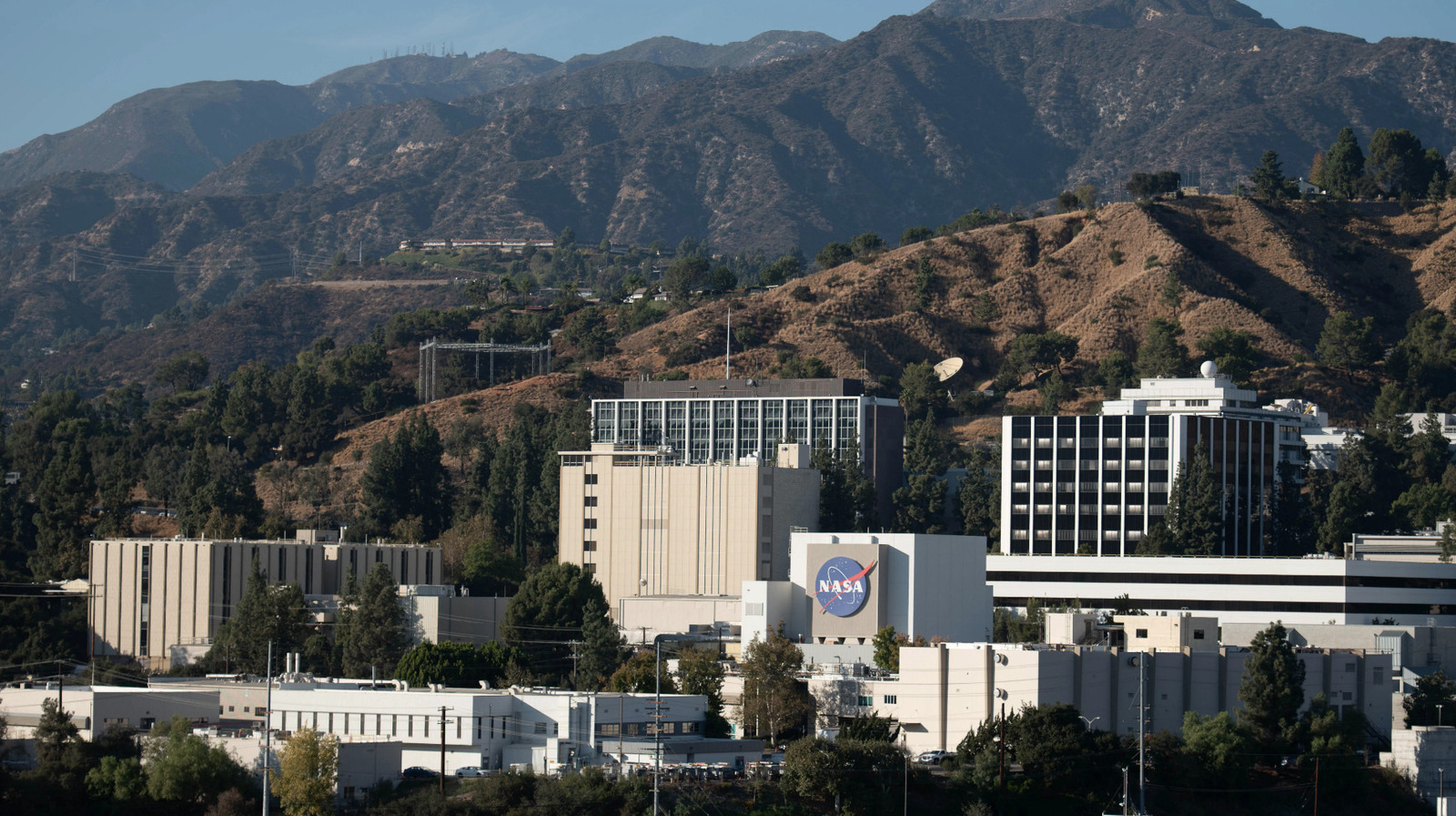
NASA has announced that it is starting the process to find a manager for the Jet Propulsion Laboratory (JPL) in California. The current contract with the California Institute of Technology, commonly known as Caltech, is scheduled to end in 2028. This move opens up a rare opportunity for other organizations or universities to bid for the chance to lead one of the most famous space exploration centers in the world. While Caltech has managed the facility for decades, federal rules require NASA to periodically review who runs its major research centers.
Main Impact
The decision to open bids for JPL’s management could lead to significant changes in how the United States approaches robotic space exploration. JPL is responsible for some of the most daring missions in history, including landing rovers on Mars and sending probes to the outer edges of our solar system. A change in leadership could influence the lab's internal culture, its hiring practices, and how it handles its multi-billion dollar budget. For the thousands of scientists and engineers working there, this news marks the beginning of a period of transition and uncertainty regarding who their future employer will be.
Key Details
What Happened
NASA officially began the process of looking for a contractor to manage and operate JPL after the current agreement expires. JPL is a unique facility because it is a "Federally Funded Research and Development Center." This means that while the government owns the buildings and equipment, a private partner—usually a university—manages the daily operations and employs the staff. Caltech has held this role since the lab was founded, but the upcoming end of the contract on September 30, 2028, means NASA must look at all available options to ensure the best results for the space program.
Important Numbers and Facts
The Jet Propulsion Laboratory currently employs about 6,000 people and manages a budget that often exceeds $2 billion per year. The current contract with Caltech has been in place for a long time, but federal law often requires these types of large-scale agreements to be put up for competition. NASA plans to release more details about the bidding process over the next few months. The goal is to have a new or renewed contract signed well before the 2028 deadline to avoid any gaps in mission control or scientific research.
Background and Context
JPL was started in the 1930s by a group of students and researchers at Caltech who were interested in rocket science. During World War II, it became a key site for developing missile technology. When NASA was formed in 1958, JPL was transferred to the new space agency, but it kept its close ties to Caltech. Unlike other NASA centers, such as the Johnson Space Center in Houston, JPL is not run by government employees. This setup allows the lab to operate more like a university research center, which many believe helps foster creativity and innovation.
In recent years, JPL has faced some difficult challenges. Budget cuts from the federal government led to layoffs in early 2024, affecting hundreds of workers. These cuts were largely due to the rising costs and delays of the Mars Sample Return mission. This mission aims to bring rocks from Mars back to Earth, but it has proven to be much more expensive than originally planned. The management team at JPL has had to make tough choices to keep the lab running while waiting for clearer funding signals from Washington, D.C.
Public or Industry Reaction
The aerospace industry is watching this development closely. Most experts believe that Caltech is still the strongest candidate to keep the contract because of its long history and deep expertise. However, the fact that NASA is opening the process to others suggests that the agency wants to see if there are ways to improve efficiency or reduce costs. Some industry analysts suggest that other major research universities or even large aerospace companies might consider forming a group to bid for the contract. Within the lab, some employees have expressed concern about what a change in management might mean for their benefits and job security, especially following the recent layoffs.
What This Means Going Forward
Over the next two years, NASA will evaluate proposals from different groups. They will look at how each candidate plans to manage complex space missions, how they will handle the budget, and how they will support the workforce. The winner of the contract will be responsible for some of the most important science goals of the next decade. This includes the continued search for life on Mars, the study of Jupiter’s moon Europa, and monitoring Earth’s changing climate from space. The transition will be a slow process to ensure that ongoing missions are not interrupted.
Final Take
The Jet Propulsion Laboratory is a crown jewel of American science and engineering. While the bidding process is a standard part of government business, it highlights a pivotal moment for the future of space exploration. Whether Caltech continues its long-standing partnership with NASA or a new manager takes the lead, the focus must remain on the lab's mission to expand human knowledge. The coming years will determine who guides the next generation of robots as they travel into the unknown parts of our universe.
Frequently Asked Questions
Why is NASA looking for a new manager for JPL?
The current contract with Caltech is set to end in 2028. Federal rules require NASA to periodically open the management of its research centers to competition to ensure the best performance and value.
Does this mean Caltech will no longer run JPL?
Not necessarily. Caltech is allowed to bid for the contract again. Because of their long history and success with the lab, many expect them to be a top contender to keep the management role.
Will this affect current space missions like the Mars rovers?
NASA and the management team will work to ensure that all space missions continue without interruption. The bidding process is planned years in advance to make sure the transition is smooth and does not put any spacecraft at risk.