

Summary
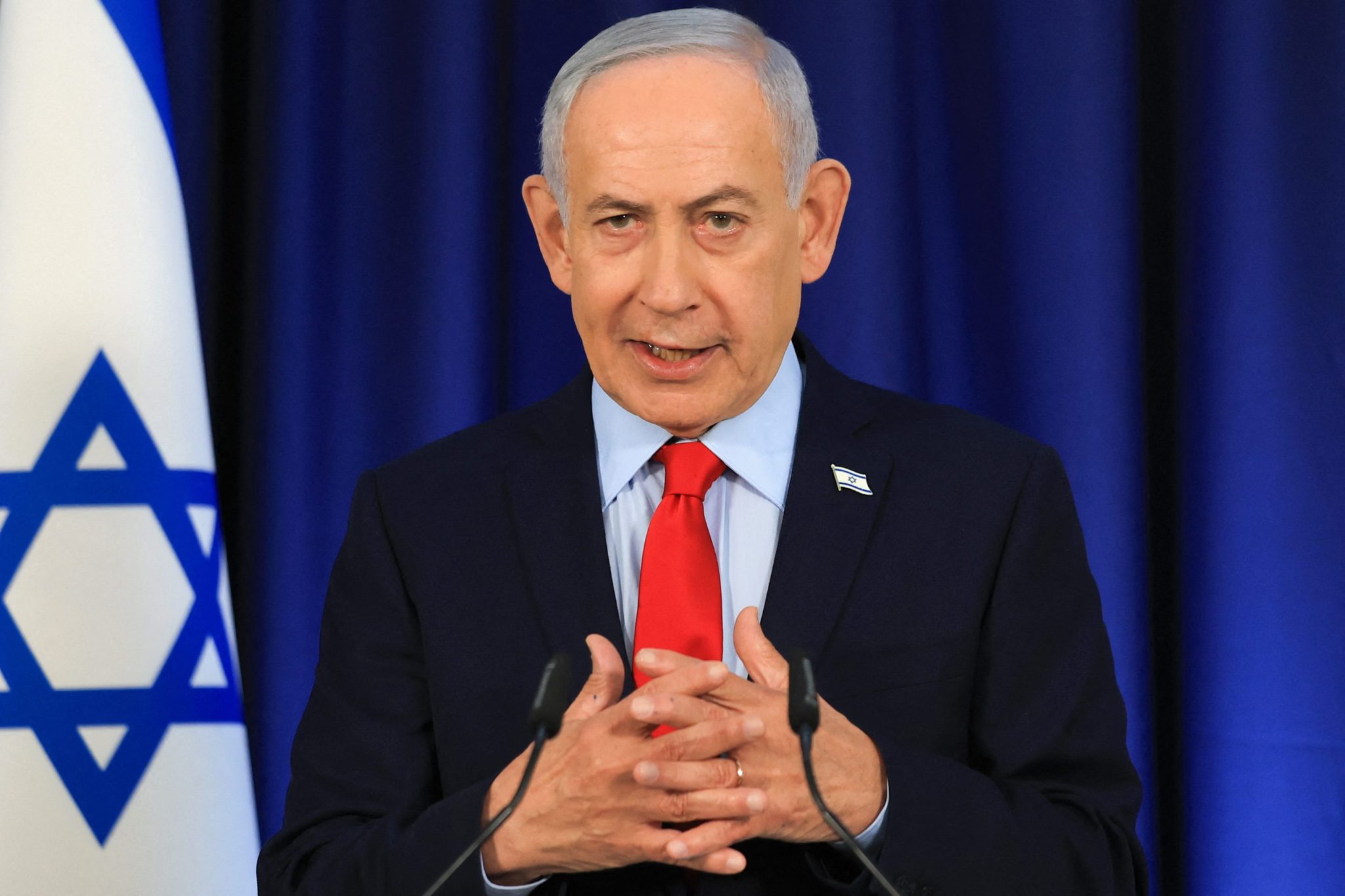
Israeli Prime Minister Benjamin Netanyahu has stated that the conflict with Iran is not finished despite a recent ceasefire. He believes the war will only truly end once Iran’s nuclear materials are completely removed from the country. Netanyahu suggested that if a diplomatic deal is not reached, physical action might be taken to secure the uranium. This announcement comes at a sensitive time as both the United States and Iran review new peace proposals.
Main Impact
The primary impact of these comments is a rise in global tension during what was supposed to be a period of cooling down. By stating that the war is "not over," Netanyahu is signaling that the April 8 ceasefire was only a temporary pause rather than a final peace. This stance puts pressure on the United States and Iran to reach a fast agreement. If no deal is made, the threat of special forces entering Iran to seize nuclear material could lead to a new and even more dangerous phase of the conflict. This uncertainty also affects global markets, particularly oil prices, as the world watches for signs of renewed fighting.
Key Details
What Happened
In a recent interview with the news program 60 Minutes, Prime Minister Netanyahu spoke clearly about his goals regarding Iran. He focused on the presence of highly enriched uranium, which is a key ingredient for making nuclear weapons. Netanyahu argued that as long as this material stays in Iran, the threat remains. He told the interviewer that the mission to remove this material is "terrifically important" and suggested that it could be done through physical force if necessary. While he did not give specific details about military plans, he mentioned that U.S. President Donald Trump has also shown interest in addressing the situation directly.
Important Numbers and Facts
The current situation follows a 10-week-long war that caused significant damage and disrupted global trade. A ceasefire was established on April 8, 2026, but Netanyahu has repeatedly said the campaign is still active. On Sunday, May 10, Iran officially submitted its response to a peace plan proposed by the United States. This response is currently being reviewed by American officials. The outcome of this review will likely determine whether the situation moves toward a long-term peace or returns to active combat. Additionally, reports show that the ongoing tension has been draining the world’s oil reserves at a very fast rate, making a resolution even more urgent for the global economy.
Background and Context
To understand why this matters, it is important to know the history of the nuclear dispute. For years, Israel and the United States have been worried that Iran is trying to build nuclear weapons. Iran has always said its nuclear program is for peaceful reasons, like generating electricity. However, the discovery of highly enriched uranium has made many world leaders nervous. Highly enriched uranium is material that has been processed so it can be used in a bomb. The 10-week war was the result of these long-standing fears turning into direct military action. The ceasefire in April was meant to give diplomats time to talk, but Netanyahu’s latest comments show that Israel is not willing to wait forever for a diplomatic solution.
Public or Industry Reaction
The reaction to Netanyahu’s comments has been mixed. Some military experts believe that a physical mission to remove nuclear material would be extremely risky and could start a much larger war. On the other hand, some political leaders in Israel and the U.S. agree that Iran cannot be allowed to keep its nuclear supplies. In the United States, the government is taking a "wait and see" approach. President Trump and his team have said they want to see Iran’s response to the peace plan before making any big moves. Meanwhile, the energy industry is worried. Oil traders are concerned that if the war starts again, the price of fuel will go up significantly, hurting businesses and families around the world.
What This Means Going Forward
The next few weeks will be critical for the region. If the U.S. finds Iran’s response to the peace plan acceptable, there may be a path to moving the nuclear material out of the country through a legal agreement. This would be the safest outcome. However, if the talks fail, the risk of a military raid increases. Netanyahu has made it clear that he believes a physical mission is possible. This means the world might see special operations or targeted strikes aimed at nuclear facilities. The main goal for Israel remains the total removal of enriched uranium, and they seem prepared to use any method to achieve it.
Final Take
True peace in the Middle East remains out of reach as long as the nuclear issue is not solved. While the ceasefire has stopped the daily bombing, the underlying cause of the war is still there. Netanyahu’s words serve as a reminder that a "stop in fighting" is not the same as the "end of a war." The world now waits to see if words and agreements can do what weapons have not yet finished.
Frequently Asked Questions
Why does Netanyahu say the war is not over?
He believes that as long as Iran has highly enriched uranium, the threat of a nuclear weapon exists. He says the war only ends when that material is removed from the country.
What is highly enriched uranium?
It is a type of nuclear material that has been concentrated. In simple terms, it is the material needed to create powerful nuclear bombs.
Is there a peace plan currently being discussed?
Yes. The United States has offered a peace proposal, and Iran submitted its official response on May 10. Leaders are now reviewing that response to see if a deal can be made.