

Summary
Daniel Wendler, a workplace expert and clinical psychologist, says that traditional offices are not built for neurodivergent workers. He compares placing an autistic or ADHD employee in a standard office to dropping a polar bear in the middle of a hot Texas city. The problem is not the person’s ability, but the environment around them. By making small changes to the workplace, companies can keep talented staff and improve their overall profits.
Main Impact
The current way offices are set up is causing a major talent loss. Recent data shows that nearly 40% of neurodivergent employees plan to leave their jobs within a year because they do not feel included. This is a huge risk for businesses, as about one in five adults identifies as neurodivergent. When companies fail to adapt, they lose out on "suppressed talents"—highly skilled people who want to work hard but are held back by noisy, bright, or poorly structured environments.
Key Details
What Happened
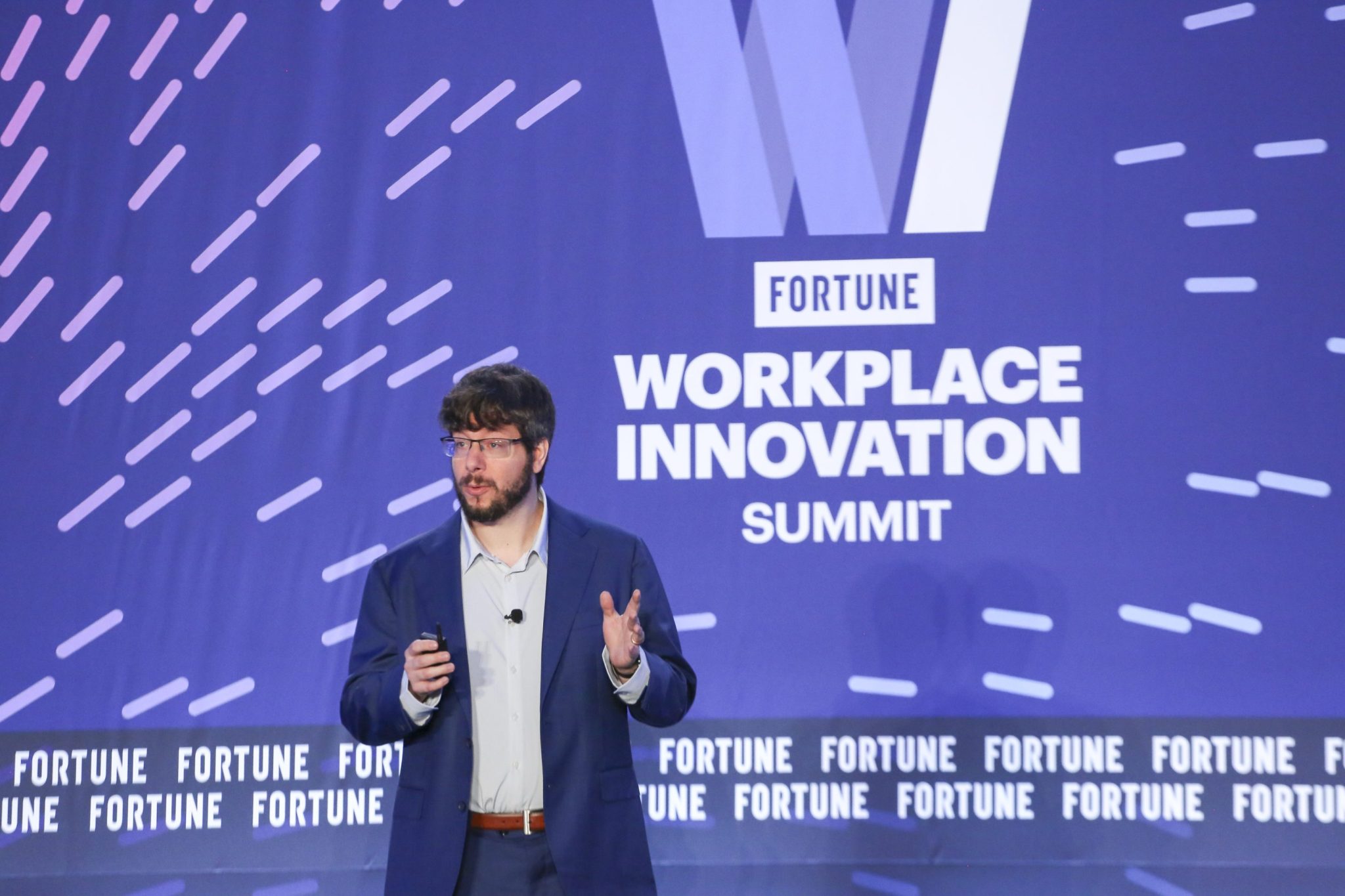
At the Fortune Workplace Innovation Summit on May 20, 2026, Daniel Wendler shared his insights on neurodiversity. Wendler, who is autistic himself, explained that most organizations are designed for "neurotypical" people by default. This means the lighting, noise levels, and social rules of a standard office often work against people with different brain types. He argued that businesses do not usually exclude these workers on purpose, but they do so because they follow old habits that no longer work for a modern workforce.
Important Numbers and Facts
The scale of this issue is backed by several major studies. A 2025 survey by EY found that only 25% of neurodivergent workers feel like they truly belong at their jobs. Furthermore, 18% of these workers are considered "suppressed talents," meaning they have the skills to do great work but are blocked by their physical surroundings. On the other hand, companies that focus on inclusion see real financial benefits. Research from Accenture shows that businesses leading in disability inclusion grow their revenue and profits faster than their competitors. These companies are also 25% more likely to see higher productivity from their teams.
Background and Context
Neurodivergence is a broad term that includes autism, ADHD, dyslexia, and other ways the brain processes information. For a long time, these conditions were seen only as challenges. However, many experts now point out that neurodivergent individuals often have high levels of focus, creativity, and problem-solving skills. The "polar bear" analogy helps explain why these strengths often go unseen. A polar bear is a powerful hunter in the cold, but it cannot survive in the desert. Similarly, a brilliant coder with autism might struggle in a loud, open-plan office but thrive in a quiet space with clear instructions.
Public or Industry Reaction
Some of the world’s largest companies are already changing how they work. Firms like Microsoft and JP Morgan have started programs specifically designed to support neurodivergent talent. These changes include "quiet zones" where employees can work without noise, adjustable lighting to help those with sensory sensitivities, and different ways of training new hires. Industry leaders are beginning to realize that these changes do not just help a small group; they often make the office better for everyone. This is known as "universal design," where a solution for one group ends up helping the whole community.
What This Means Going Forward
In the coming years, the competition for talent will get tougher. Wendler suggests that companies that act now will have a major advantage. By creating a workplace that welcomes different types of thinkers, a business can "leapfrog" over competitors who are still stuck using old office models. The next step for managers is to stop looking at an employee's struggle as a lack of motivation. Instead, they should look at the office itself. If a worker is failing, the first question should be whether the environment is preventing them from using their natural strengths.
Final Take
Success in the modern workplace is about more than just hiring the right people; it is about building the right place for those people to work. If a company treats its staff like polar bears in a desert, it will always lose its best talent. By cooling down the "climate" of the office through better design and understanding, businesses can help every employee reach their full potential.
Frequently Asked Questions
What does neurodivergent mean?
It is a term used to describe people whose brains learn or process information differently. This includes people with autism, ADHD, and dyslexia.
Why are open-plan offices a problem?
Open offices often have a lot of noise, bright lights, and constant movement. For many neurodivergent people, these distractions make it very hard to focus or stay calm.
How can a company start being more inclusive?
Companies can start by offering quiet work areas, allowing flexible schedules, and using clear, written communication instead of relying only on social cues or meetings.