
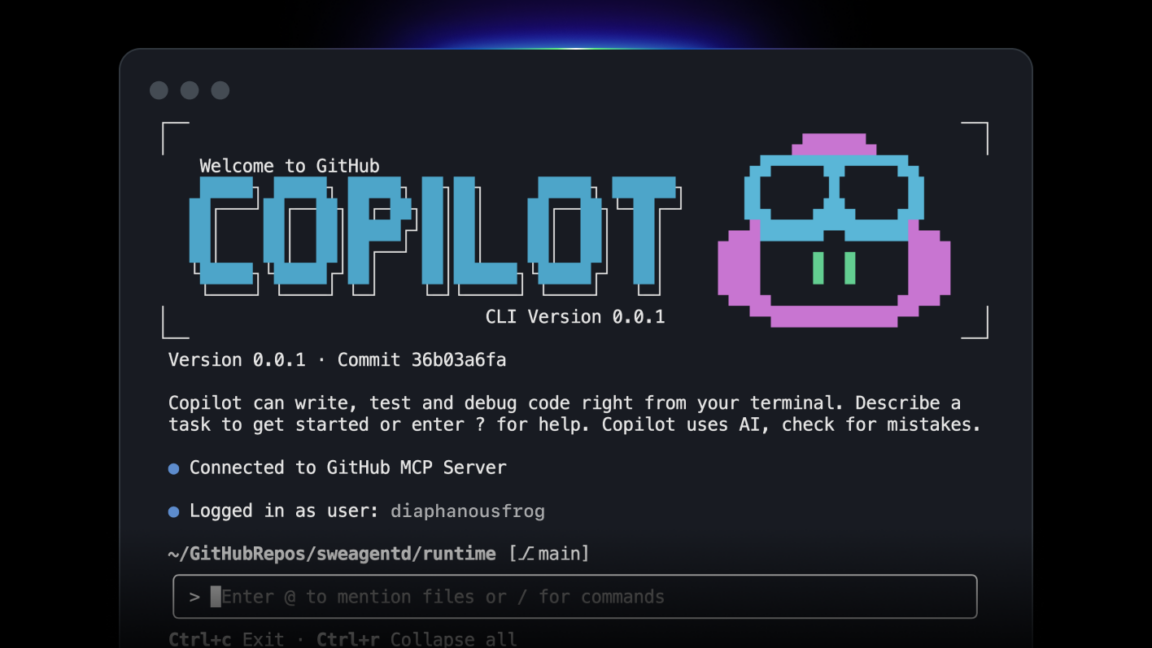

Summary
GitHub has announced a significant change to how it charges for its AI-powered coding tool, Copilot. Starting June 1, the company will move to a billing model based on actual usage rather than a flat set of monthly requests. This change is designed to match the price users pay with the actual computing power they consume. As AI becomes more popular, the costs to run these services have increased, making this shift necessary for the service to remain sustainable in the long term.
Main Impact
The primary impact of this decision is a shift in how users and businesses budget for AI tools. Previously, users had a predictable number of requests they could make each month. Now, the cost will vary depending on the complexity of the work being done. This means that heavy users who rely on the AI for long, complex coding sessions may see their costs increase. Meanwhile, the change allows GitHub to better manage the high expenses associated with the hardware and energy needed to run large AI models.
Key Details
What Happened
GitHub, which is owned by Microsoft, explained that the current way of charging for Copilot is no longer working. Right now, the system groups different types of AI tasks together. Whether a user asks a simple question in a chat or asks the AI to write a large block of code over several hours, the "cost" to the user is often the same. However, the cost to GitHub is very different for those two tasks. To fix this, GitHub is moving to a system where the price reflects the actual work the AI does behind the scenes.
Important Numbers and Facts
The new usage-based billing system will officially begin on June 1. Until now, GitHub has been paying for much of the extra costs itself. The company stated that the cost of "inference"—which is the technical term for the AI processing a request—has been rising. Because some tasks take much more computing power than others, the old system of "premium requests" is being replaced to ensure the company does not lose money as demand grows.
Background and Context
To understand why this matters, it is helpful to know how AI works. AI models do not run on standard computer chips. They require very powerful and expensive hardware, often called GPUs. These chips use a lot of electricity and are expensive to buy and maintain. Every time a developer asks Copilot for help, a server somewhere has to do a lot of work to generate an answer. This is why AI services are much more expensive to run than traditional websites or apps.
When GitHub Copilot first launched, the goal was to get as many people using it as possible. Now that it has become a standard tool for many developers, the focus is shifting toward making the business profitable. Microsoft has invested billions of dollars into AI technology, and they need to ensure that the products built with that technology can pay for themselves over time.
Public or Industry Reaction
The reaction from the tech industry has been mixed. Some experts believe this was unavoidable. They argue that "all-you-can-eat" pricing models are hard to maintain when the underlying costs are so high. However, some developers are worried about "bill shock." This happens when a user receives a much higher bill than expected because they did not realize how much they were using the service. Companies that employ hundreds of developers will now need to set up new ways to track and limit how much their teams use AI to keep costs under control.
What This Means Going Forward
This move by GitHub could be a sign of what is coming for the rest of the AI industry. Many other companies offer AI tools for a flat monthly fee, but they may soon follow GitHub’s lead. If usage-based billing becomes the standard, we might see developers becoming more careful about how they use AI. Instead of using it for every small task, they might only use it for the most difficult parts of their work.
We may also see new tools created specifically to help people track their AI spending. Just as companies track their water or electricity use, tech teams will likely start tracking their "compute" use. This change will force both users and providers to be more efficient with how they use these powerful but expensive resources.
Final Take
The era of cheap and unlimited AI is slowly coming to an end. GitHub’s decision to charge based on usage is a practical step to keep Copilot running without losing money. While it adds more complexity to the billing process, it ensures that the service can continue to grow and improve. Users will now need to be more aware of how they interact with AI, treating it as a valuable resource that carries a real cost.
Frequently Asked Questions
When does the new GitHub Copilot billing start?
The new usage-based billing model is scheduled to begin on June 1. Users should check their account settings before then to understand how it might affect their costs.
Why is GitHub changing the way it charges for Copilot?
The company wants to align the price with the actual cost of the computing power used. Complex AI tasks cost much more to process than simple ones, and the new model reflects that difference.
Will my monthly bill go up?
It depends on how you use the tool. If you use Copilot for simple tasks, you might not see a big change. However, if you use it for long, complex coding sessions, your costs could increase under the new system.