

Summary
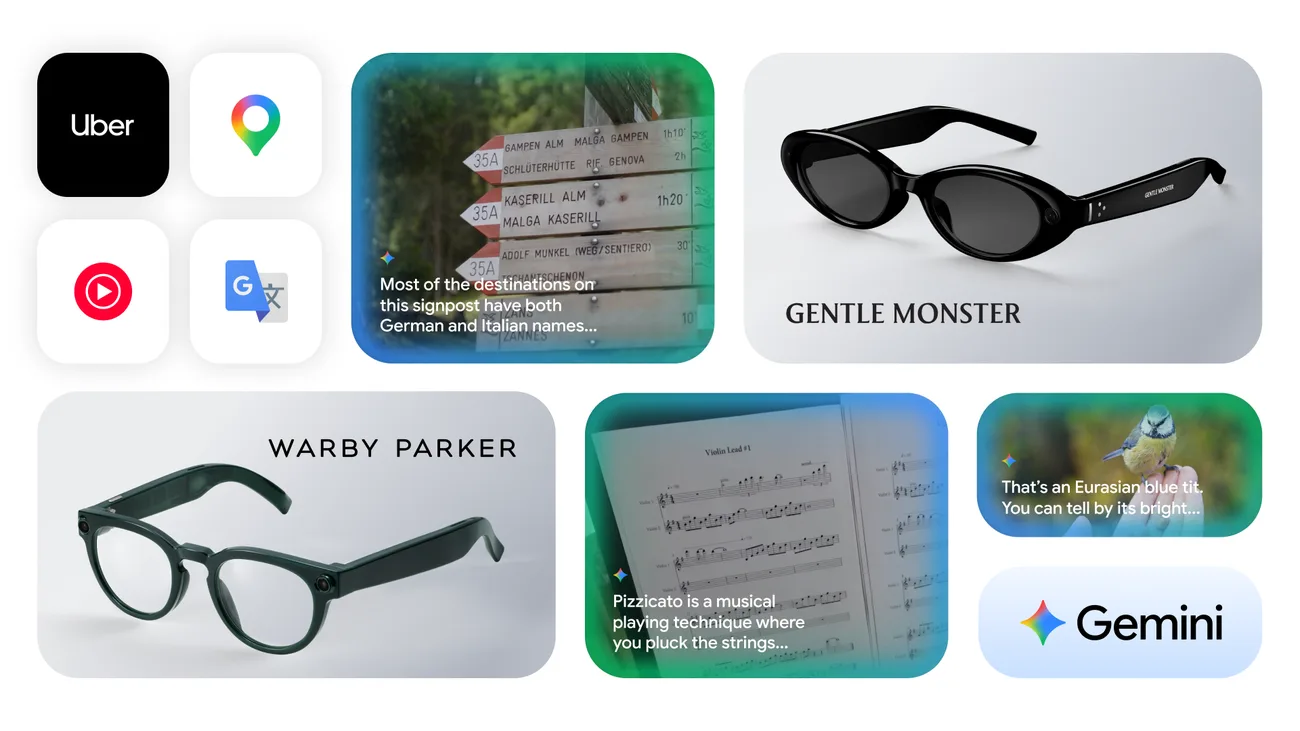
Google has officially announced its latest entry into the wearable technology market with a new pair of smart glasses focused on audio. Unlike previous attempts at high-tech eyewear, these devices do not use a screen. Instead, they rely on sound and voice commands to help users interact with the digital world. By using Google’s Gemini AI, these glasses allow people to manage their daily tasks, get directions, and stay connected without ever looking at a phone screen. This move shows that Google is shifting its strategy to compete directly with other tech giants in the growing smart eyewear space.
Main Impact
The launch of these audio glasses marks a major change in how Google views wearable tech. For a long time, the company tried to put screens in front of people's eyes, but that approach did not become popular with the general public. Now, by focusing on audio, Google is making technology that feels more natural and less distracting. The main impact is the move toward "invisible" AI. Users can now access powerful tools like Gemini just by speaking, making the internet feel like a helpful assistant that is always present but never in the way. This could change how we navigate cities, handle work messages, and use our phones in public.
Key Details
What Happened
Google revealed its new "audio glasses" as a way to bring its Gemini AI into the physical world. These glasses look like standard eyewear but are packed with tiny speakers and microphones. They connect to a user's smartphone and act as a hands-free interface for Google’s many services. Instead of tapping a screen, a user can simply ask the glasses a question or give them a command. The glasses then provide the answer through the built-in speakers, which are designed to be heard only by the wearer.
Important Numbers and Facts
The new glasses are built to work perfectly with the Google ecosystem. This means they have full access to Google Maps, Google Calendar, and Gmail. While Google has not yet released the exact price or battery life figures, the company confirmed that the devices are designed to be light enough for all-day wear. The glasses use the latest version of Gemini, which is Google’s most advanced artificial intelligence. This allows the glasses to understand natural speech better than older voice assistants. They can also summarize long emails or give step-by-step walking directions in real-time.
Background and Context
To understand why this is a big deal, we have to look at the history of smart glasses. Over ten years ago, Google released "Google Glass." It was a futuristic device with a camera and a small glass screen. However, it failed because it was expensive, looked strange, and made people worried about their privacy. Since then, other companies have tried different ideas. Recently, Meta found success by partnering with Ray-Ban to create glasses that look normal but can take photos and play music. Google is now following a similar path. They have realized that people want smart glasses to look like regular glasses. By removing the screen and focusing on high-quality audio and AI, Google hopes to avoid the mistakes of the past.
Public or Industry Reaction
The tech industry has reacted with a mix of excitement and curiosity. Many experts believe that audio-based AI is the right direction for wearables because it is easier to use while walking or driving. Fashion experts are also pleased to see that Google is focusing on a design that people would actually want to wear in public. However, there are still some concerns. Privacy advocates are worried about devices that have microphones always waiting for a "wake word." There is also the question of whether people are ready to talk to their glasses in crowded places. Despite these concerns, the early buzz suggests that there is a lot of interest in a device that makes Google’s AI more portable.
What This Means Going Forward
Looking ahead, this release could start a new era of competition between Google and Meta. Both companies want to own the space on your face. As AI continues to improve, these glasses will likely get smarter. We might soon see features like real-time language translation, where you can hear a person speaking a foreign language in your own tongue through the glasses. We may also see more sensors added to track health data, like heart rate or steps. If these audio glasses become popular, they could eventually reduce our reliance on smartphones. Instead of reaching for a pocket every time a notification pings, we will simply listen and respond through our eyewear.
Final Take
Google is making a bold bet that the future of technology is heard, not seen. By moving away from bulky screens and focusing on a sleek, audio-first design, they are trying to make AI a seamless part of everyday life. These glasses represent a second chance for Google to lead the wearable market. If they can convince users that talking to an AI assistant is better than staring at a phone, they might finally turn smart glasses into a common accessory for everyone.
Frequently Asked Questions
Do these glasses have a camera?
Google has focused primarily on the audio and AI features for this announcement. While some smart glasses include cameras, the main goal of this device is to provide a hands-free way to use Google apps and Gemini through voice commands.
Can other people hear the audio from the glasses?
The glasses use directional speakers located near the wearer's ears. This technology is designed to send sound directly into your ears so that people standing nearby cannot hear what your glasses are saying.
Do I need a Google account to use them?
Yes, these glasses are designed to work with the Google ecosystem. To get the most out of features like Gemini, Google Maps, and Gmail, you will need to sign in with a Google account and connect the glasses to a smartphone.

