

Summary
A new startup called Cowboy Space has raised $275 million to build data centers in outer space. The company aims to meet the massive demand for Artificial Intelligence (AI) processing power by moving computer servers into orbit. While the idea of space-based computing is growing, the industry faces a major problem: there are not enough rockets available to carry this heavy equipment into space. Additionally, the cost of launching these systems remains very high, creating a bottleneck for the future of the digital world.
Main Impact
The move by Cowboy Space highlights a major shift in how tech companies think about infrastructure. As AI programs become more advanced, they require huge amounts of electricity and cooling, which are becoming harder to manage on Earth. By moving these operations to space, companies hope to use the cold environment and constant sunlight for power. However, this plan depends entirely on the aerospace industry. If rocket companies cannot increase their flight schedules and lower their prices, the dream of a "cloud in the stars" may stay grounded for a long time.
Key Details
What Happened
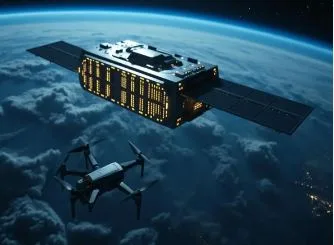
Cowboy Space recently closed a funding round, bringing in $275 million from investors who believe that the future of AI is off-planet. The company plans to design and launch small groups of satellites that act as high-powered computer hubs. These hubs would process data in orbit and send the results back to Earth. This approach could reduce the strain on local power grids and provide faster processing for global users. The main challenge is that the current supply of rockets is already booked by government agencies and satellite internet companies, leaving little room for new data center projects.
Important Numbers and Facts
The $275 million investment is one of the largest recent bets on space-based hardware. Currently, the cost to send one kilogram of weight into space can range from thousands to tens of thousands of dollars, depending on the rocket used. To build a functional data center, hundreds of tons of equipment would eventually need to be moved into orbit. Experts point out that while there are dozens of rocket companies, only a few, like SpaceX, are launching frequently enough to support a project of this size. This creates a "launch gap" where the demand for space travel is much higher than the actual number of available flights.
Background and Context
On Earth, data centers are massive buildings filled with thousands of computer servers. These servers run the internet, apps, and AI models. They generate a lot of heat and require millions of gallons of water and huge amounts of electricity to stay cool and running. As AI grows, the world is running out of places to put these buildings without hurting the environment or overusing local power supplies.
Space offers a unique solution. It is naturally cold, which helps with cooling, and there is no atmosphere to block the sun, making solar power very efficient. However, space is also a harsh place. Computers must be protected from radiation and extreme temperature changes. Building a data center that can survive in orbit is much harder than building one on the ground. Cowboy Space is trying to solve these technical problems while also waiting for the rocket industry to catch up with their needs.
Public or Industry Reaction
The tech industry is watching this project with a mix of excitement and doubt. Many software developers are happy to see new ways to find processing power, as the wait times for AI chips on Earth are currently very long. They see space as the next logical step for the internet. On the other hand, space experts warn that the logistics are incredibly difficult. They argue that until heavy-lift rockets become as common as airplanes, moving large-scale data centers into orbit will be too expensive for most companies to afford. Some environmental groups are also concerned about the "space junk" that could be created if these data centers fail or reach the end of their lives.
What This Means Going Forward
The success of Cowboy Space will likely depend on the progress of next-generation rockets. If large rockets become more reliable and cheaper to fly, we could see a new industry where the "cloud" is literally in the sky. This would change how we build internet infrastructure and could lead to faster AI services for everyone. However, if the rocket shortage continues, Cowboy Space may have to wait years before they can get their hardware off the ground. In the short term, this investment will likely push other companies to look for creative ways to solve the AI power crisis, whether in space or through better technology on Earth.
Final Take
The idea of putting data centers in space is no longer just a story from a book; it is a real business plan with millions of dollars behind it. While the lack of rockets is a serious hurdle, the massive demand for AI power is forcing companies to take big risks. Cowboy Space is betting that the transportation problem will be solved soon. If they are right, the way we use the internet and AI could change forever. If they are wrong, it will be a very expensive lesson in the limits of modern travel.
Frequently Asked Questions
Why would anyone want to put a data center in space?
Space provides a cold environment for cooling and constant solar energy for power. This helps solve the problem of data centers on Earth using too much water and electricity.
What is the biggest problem facing space data centers?
The biggest problem is the lack of available rockets. There are not enough flights to carry heavy computer equipment into orbit, and the cost of the flights that do exist is very high.
How much money did Cowboy Space raise?
The company raised $275 million to help design their space-based servers and secure spots on future rocket launches.