

Summary
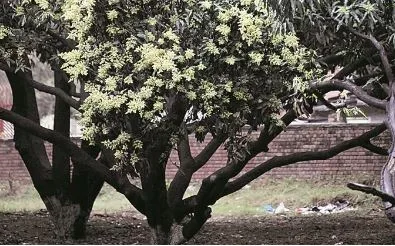
The Punjab and Haryana High Court has put a temporary stop to the cutting of trees for the Tribune Chowk flyover project in Chandigarh. This decision by the court effectively pauses the construction work on the long-planned project. The judges decided that no trees, including mango trees in the area, should be removed or trimmed until a final decision is reached on the case. This move comes after local groups raised concerns about how the flyover might damage the city’s unique heritage and green environment.
Main Impact
The court's order has a direct impact on the timeline of the Tribune Chowk flyover. By stopping the tree felling, the court has ensured that the physical environment remains unchanged while the legal battle continues. This delay highlights a major conflict in Chandigarh: the need for modern roads to handle heavy traffic versus the desire to protect the city’s original design and green spaces. For residents, this means the traffic issues at Tribune Chowk will continue for now, but the city’s famous green cover is safe for the time being.
Key Details
What Happened
A Division Bench consisting of Chief Justice Sheel Nagu and Justice Sanjeev Berry issued the stay order on Friday. The court noted that the case has been discussed extensively and a final decision is expected soon. To prevent any permanent damage to the environment before that decision, the judges ordered the Chandigarh Administration to stop all tree-related work at the site. The court made it clear that this is a temporary measure that depends on the final result of the legal petition.
Important Numbers and Facts
The legal fight over this flyover has been going on since 2019. During the hearing, several important figures were shared to explain why the project is being debated. The city of Chandigarh was originally designed to hold about 5 lakh people. However, the population of the "tri-city" area, which includes Chandigarh and its neighbors, has now grown to over 15 lakh people. Because of this growth, some commuters face traffic delays of up to 90 minutes when entering the city from places like Zirakpur or Delhi. To make up for the trees that would be cut, the government promised to plant 2,799 new saplings, following a rule where five new trees are planted for every one tree removed.
Background and Context
Chandigarh is known around the world for its specific layout and architecture. It was planned to be a city where people could easily walk or ride bicycles. The Chandigarh Master Plan 2031 serves as a guide to keep the city’s character intact. Many people believe that building large flyovers goes against this plan because flyovers are designed for cars, not for people walking or cycling. There is also a worry that flyovers ruin the "visual look" of the city, which is famous for its open views and low-rise buildings. The Tribune Chowk is one of the busiest entry points to the city, making it a central point of this debate.
Public or Industry Reaction
Lawyers representing the people against the flyover argued that the project is a "death knell" for the city's heritage. They believe that building more roads for private cars does not solve traffic; it just moves the traffic jam to a different part of the city. They want the government to focus on public transport and better paths for walkers instead.
On the other side, the legal team for the Chandigarh Administration argued that the city cannot stay stuck in the 1950s. They pointed out that the flyover is a "functional necessity" because of the massive increase in cars and people. They also mentioned that the heritage rules mostly apply to the older parts of the city (Sectors 1 to 30), while Tribune Chowk is in a newer area where modern infrastructure should be allowed. They expressed frustration that the project has been stuck in court for years, which has caused the cost of construction to go up significantly.
What This Means Going Forward
The next step is for the High Court to give its final judgment. If the court decides the flyover is legal, the administration will have to get all the necessary environmental clearances before they can start cutting trees again. If the court rules against the project, the city may have to look for different ways to solve the traffic problem, such as building underpasses or improving the bus system. For now, the project remains in a state of uncertainty, and the mango trees at Tribune Chowk will stay standing.
Final Take
The stay on the Tribune Chowk flyover shows how difficult it is to balance the growth of a modern city with the preservation of its history. While traffic is a real problem for thousands of daily drivers, the protection of the city's green identity is equally important to many residents. The final court ruling will likely set a standard for how Chandigarh handles its future growth and whether it will stick to its original pedestrian-friendly roots or move toward a car-centered design.
Frequently Asked Questions
Why did the court stop the tree cutting?
The court issued a stay because the case is nearing a final decision. They want to make sure no trees are removed until they decide if the flyover project is legally allowed to move forward.
What is the main argument against the flyover?
Opponents argue that the flyover violates the Chandigarh Master Plan, ruins the city's heritage look, and encourages more car traffic instead of helping pedestrians and cyclists.
How much has the population changed in Chandigarh?
The city was originally planned for 500,000 people, but the current population of the surrounding tri-city area has grown to more than 1.5 million, leading to major traffic congestion.
