

Summary
The National Transportation Safety Board (NTSB) has taken the unusual step of shutting down its public accident database. This decision comes after internet users used artificial intelligence to re-create the voices of pilots from a fatal plane crash. Federal law strictly forbids the government from releasing actual audio recordings from cockpits to the public. However, tech-savvy individuals found a way to bypass this rule by using data images to build their own audio versions of the pilots' final moments.
Main Impact
The main impact of this situation is a sudden loss of transparency in aviation safety. For decades, the NTSB has been praised for sharing almost all the evidence it gathers during crash investigations. By taking the database offline, the agency has cut off access for researchers, safety experts, and the general public. This move highlights a growing conflict between open government data and the power of modern AI tools. It shows that even when the government tries to protect privacy, new technology can find loopholes in old laws.
Key Details
What Happened
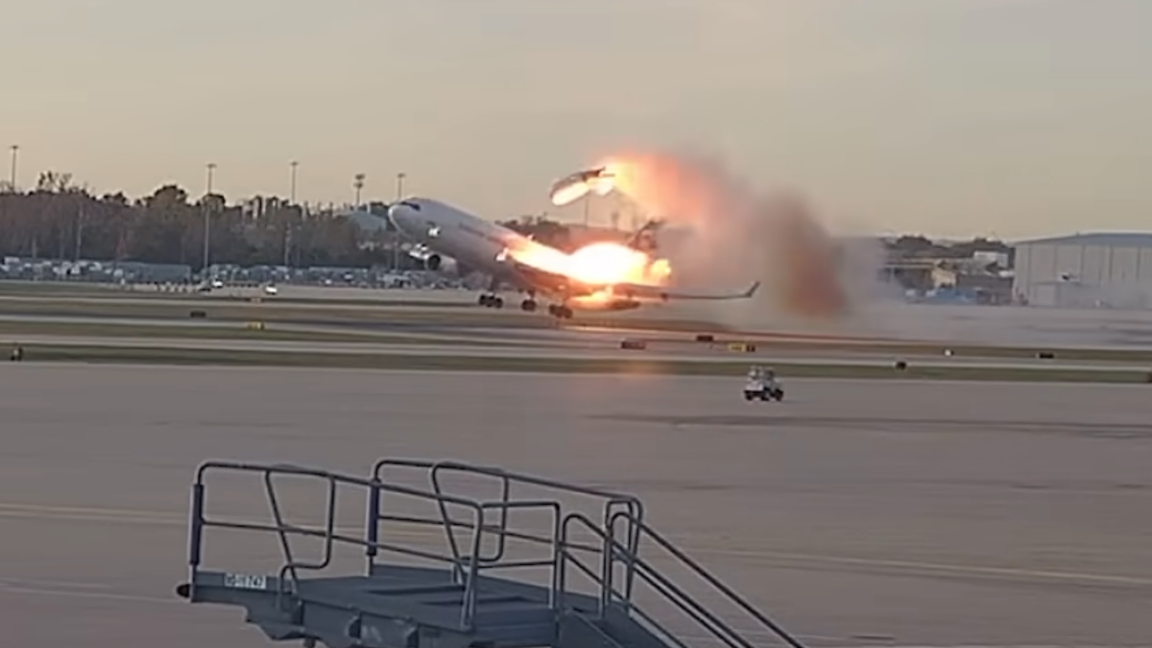
The issue started when people online began sharing reconstructed audio from the crash of UPS Flight 2976. This cargo plane crashed last year in Louisville, Kentucky. While the NTSB never released the actual audio file, they did release "sound spectrum imagery." These are visual graphs that show sound waves. Using advanced AI and image recognition software, people were able to turn these pictures back into audible speech. These digital voices mimic the real pilots who died in the accident, creating a haunting and unauthorized version of the event.
Important Numbers and Facts
On May 21, 2026, the NTSB officially announced that its online docket system would be "temporarily unavailable." This system contains thousands of documents, photos, and reports from civil transportation accidents. The agency stated that they are reviewing all publicly available materials to see what else could be used to re-create sensitive audio. Under US federal law, the NTSB is allowed to release written transcripts of what was said in a cockpit, but the actual sound recordings must remain private to respect the families of the victims.
Background and Context
To understand why this is a big deal, you have to look at how plane crashes are investigated. Every large plane has a Cockpit Voice Recorder, often called a "black box." It records every word the pilots say and every noise in the cockpit. These recordings are very sensitive. They often capture the final, terrifying moments of a person's life. Because of this, the aviation industry and the government agreed long ago that the public should never hear these tapes. Instead, the NTSB provides a written text of the conversation. This allows experts to learn from mistakes without putting the families through the pain of hearing their loved ones die on the news or social media.
Public or Industry Reaction
The reaction to this news has been a mix of concern and shock. Privacy advocates and pilot unions have long fought to keep cockpit recordings private. They argue that pilots deserve a level of professional privacy, especially in their final moments. Seeing AI used to "bring back" these voices is seen by many as a deep violation of ethics. On the other hand, some data researchers are frustrated that the entire database is gone. They worry that the actions of a few internet users have ruined a valuable resource for everyone else. The aviation industry is now watching closely to see how the NTSB will change its rules for sharing data in the future.
What This Means Going Forward
Going forward, the NTSB will likely have to change how it presents scientific data. In the past, a graph of a sound wave was just seen as a piece of data. Now, it is clear that a graph can be turned back into a voice. The agency will probably start blurring these images or removing them from public files entirely. This situation also sets a precedent for other government agencies. Any department that shares visual data—like maps, charts, or medical images—may now have to worry about how AI can "reverse engineer" that data into something private or illegal. We are entering a time where the government must decide if being open is worth the risk of AI misuse.
Final Take
This event is a wake-up call for how we handle digital privacy. It proves that technology is moving much faster than the laws designed to control it. While the NTSB followed the letter of the law by not releasing audio, they did not realize that a picture of sound could be just as revealing as the sound itself. Protecting the dignity of those who lose their lives in accidents is a priority, but doing so in the age of AI will require much stricter controls on what information is shared with the world.
Frequently Asked Questions
Why is the NTSB database closed?
The database was closed because people were using AI to turn visual data into audio recordings of pilots' voices from fatal crashes. This violates privacy rules and federal laws regarding cockpit recordings.
Is it illegal to listen to cockpit voice recorders?
In the United States, federal law prohibits the NTSB from releasing the actual audio from these recorders to the public. Only written transcripts are legally allowed to be shared.
How did AI re-create the pilots' voices?
AI tools used "sound spectrum imagery," which are pictures that represent sound waves. By analyzing these images, the software was able to reconstruct the speech and sounds that the images represented.
