

Summary
OpenAI is reportedly moving forward with plans to launch an initial public offering (IPO) as early as September. This major financial move comes immediately after a significant legal victory against Elon Musk, who had challenged the company’s shift toward a profit-making model. By going public, OpenAI aims to secure the massive amounts of money needed to lead the artificial intelligence industry. This transition marks a turning point for the company as it moves from a private research lab to a public tech giant.
Main Impact
The decision to go public will change how OpenAI operates on a daily basis. For years, the company has worked behind closed doors with support from private investors like Microsoft. An IPO means that regular people and large investment firms can buy shares in the company. This will likely bring in billions of dollars in new funding. However, it also means OpenAI must follow strict rules about sharing its financial health and business plans with the public. This transparency could change how the company balances its mission of safety with the need to make money for shareholders.
Key Details
What Happened
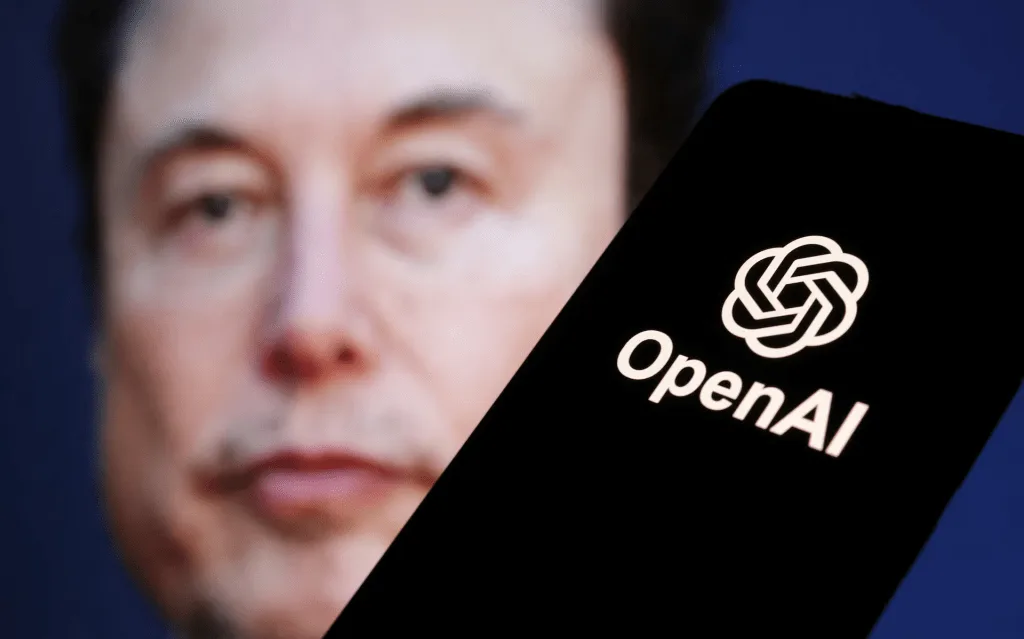
The path to this IPO became clear after a court ruled in favor of OpenAI in a lawsuit filed by Elon Musk. Musk, an early founder of the group, argued that OpenAI had abandoned its original goal of being a non-profit that helps everyone. He claimed the company was now focused on making money for its partners. The court’s decision to dismiss these claims removed a major legal hurdle. Without the threat of this lawsuit hanging over them, the leadership team, led by Sam Altman, is now focused on the stock market debut.
Important Numbers and Facts
While the exact price of the shares has not been announced, OpenAI is currently valued at over $100 billion in private markets. The company needs huge amounts of money to pay for the computer chips and electricity required to run its AI models. Reports suggest the IPO is being targeted for September to take advantage of the high interest in AI technology. This would make it one of the most watched stock market events in recent years, potentially setting records for the tech sector.
Background and Context
OpenAI started in 2015 as a non-profit research group. Its goal was to build artificial intelligence that would benefit all of humanity. Over time, the company realized that building advanced AI costs a lot of money—more than they could get from donations alone. To solve this, they created a "capped-profit" branch to attract investors. This shift caused tension between the original founders, leading to Elon Musk’s departure and eventual lawsuit. Today, OpenAI is the creator of ChatGPT, the tool that started the current global AI boom. The company is no longer just a small group of researchers; it is now a major player in the global economy.
Public or Industry Reaction
The news of a possible September IPO has caused a lot of excitement on Wall Street. Investors are eager to own a piece of the company that leads the AI field. Many experts believe this move will force other AI startups to either go public or find ways to compete with OpenAI’s massive budget. However, some critics are worried. They fear that once OpenAI has to answer to shareholders, it might take more risks with AI safety to ensure profits stay high. There is also a debate about whether the "AI hype" is too high and if the company can live up to its massive valuation.
What This Means Going Forward
If the IPO happens in September, OpenAI will have the cash it needs to build even more powerful systems. This includes the search for "Artificial General Intelligence," or AI that can do any task a human can do. The company will likely spend billions on new data centers and specialized hardware. On the other hand, being a public company means more government oversight. Regulators will be watching closely to see how OpenAI handles user data and the potential for AI to spread misinformation. The company will have to prove it can stay innovative while following the many rules that come with being on the stock market.
Final Take
OpenAI is moving into a new era where it must balance its high-tech dreams with the realities of the stock market. The legal win against Elon Musk has given the company the green light to pursue a massive payday. While this will provide the resources to push AI technology further than ever before, it also places the company under a microscope. The world will be watching in September to see if OpenAI can successfully transition from a private pioneer to a public powerhouse.
Frequently Asked Questions
What is an IPO?
An IPO, or Initial Public Offering, is when a private company starts selling its stock to the general public for the first time. This allows the company to raise money from many different investors.
Why did Elon Musk sue OpenAI?
Elon Musk sued because he believed OpenAI broke its original promise to be a non-profit. He argued that the company became too focused on making money and helping its partner, Microsoft, instead of helping the public.
Can anyone buy OpenAI stock after the IPO?
Yes, once the company goes public on a stock exchange, anyone with a brokerage account can buy and sell shares of OpenAI, just like they do with Apple or Google.
