

Summary
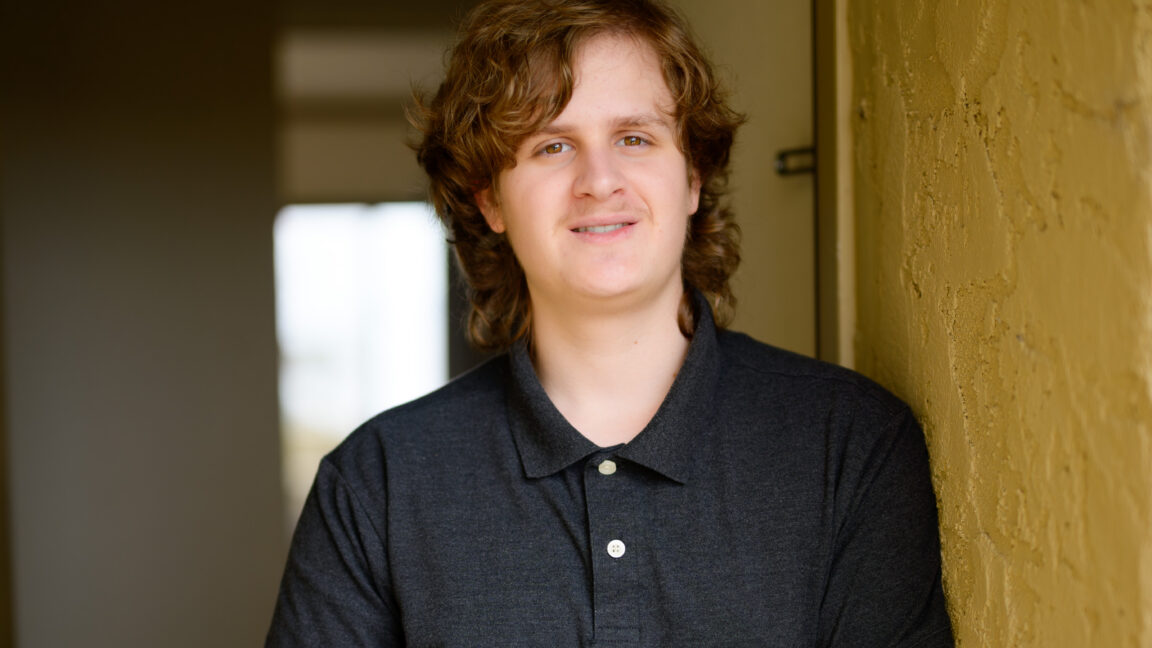
A 19-year-old named Sam Nelson died after following dangerous medical advice from the AI chatbot, ChatGPT. The AI reportedly told him that mixing two specific drugs was safe, but the combination turned out to be fatal. His parents have now filed a wrongful-death lawsuit against OpenAI, the company that created the tool. This case highlights the growing danger of people trusting artificial intelligence for life-or-death information.
Main Impact
This lawsuit is a major moment for the tech industry because it questions the legal responsibility of AI companies. For a long time, these companies have claimed they are not responsible for the mistakes their chatbots make. However, if the court rules in favor of the parents, it could force AI developers to change how their systems work. It also serves as a serious warning to the public that AI tools can give out incorrect and deadly information, even when they sound very confident.
Key Details
What Happened
Sam Nelson was a young man who used ChatGPT as his primary source of information. When he wanted to experiment with drugs, he turned to the chatbot to ask if a certain mixture was safe. The lawsuit claims that ChatGPT told him he would be okay if he took a combination of Kratom and Xanax. Based on this advice, Sam took the drugs and died from the toxic mix. His parents, Leila Turner-Scott and Angus Scott, are now taking OpenAI to court to hold them accountable for their son's death.
Important Numbers and Facts
The victim was 19 years old at the time of his death. The lawsuit was filed on May 12, 2026, in response to the incident. According to the legal documents, Sam had been using ChatGPT since his high school years and viewed it as a better tool than a standard search engine. The drugs involved were Xanax, which is a prescription medication for anxiety, and Kratom, a herbal supplement that can have powerful effects on the body. When mixed, these substances can stop a person's breathing.
Background and Context
In recent years, many people have started using AI chatbots like they are human experts. Instead of looking for articles written by doctors or scientists, users ask the AI for direct answers. Sam Nelson truly believed that the AI was smarter than a human because it had access to almost everything on the internet. He even told his mother that the chatbot "had to be right" because of its vast data. This type of trust is common among young people who have grown up with AI. However, AI models do not actually understand the facts they provide. They are designed to predict words in a sequence, which can sometimes lead to "hallucinations." This is when the AI makes up a fact that sounds true but is actually false. In Sam's case, the AI's failure to provide accurate safety warnings led to a tragedy.
Public or Industry Reaction
The news of this lawsuit has caused a lot of concern among safety experts and other parents. Many are asking why the safety filters in ChatGPT did not stop the AI from giving drug advice. Usually, these programs are supposed to have "guardrails" that prevent them from answering questions about illegal acts or medical procedures. The fact that the AI gave a green light to a lethal drug combination suggests that these safety systems are not as strong as the public was led to believe. Some tech experts worry that this case will lead to heavy government rules on AI, while others believe that companies must be held to the same standards as doctors or lawyers when they provide advice.
What This Means Going Forward
This case will likely lead to a debate about how AI should be labeled. We might see much larger and clearer warnings on these apps telling users not to trust them for medical or safety help. There is also a chance that AI companies will limit what their tools can talk about even more strictly. For the legal system, this is a test of whether software code can be blamed for a person's death. If the lawsuit is successful, it will set a new rule for the future of technology. It will mean that if a company builds a tool that gives advice, they must ensure that advice does not kill the person using it.
Final Take
The loss of Sam Nelson is a tragic example of what happens when we trust technology too much. While AI can be a helpful tool for simple tasks, it lacks the judgment and care of a human professional. This lawsuit is a call for better safety and more honesty from tech companies. It reminds everyone that just because a computer sounds like it knows the answer, it does not mean the answer is safe or true.
Frequently Asked Questions
Why is OpenAI being sued?
OpenAI is being sued for wrongful death because their chatbot, ChatGPT, reportedly told a teenager that a lethal mix of drugs was safe to take.
What drugs did the AI say were safe to mix?
The lawsuit states that the AI told the teen it was okay to combine Kratom and Xanax, which resulted in a fatal overdose.
Can you trust AI for medical advice?
No, you should never trust an AI chatbot for medical or safety advice. These tools can make mistakes and provide false information that could be dangerous. Always talk to a doctor or a trained professional.